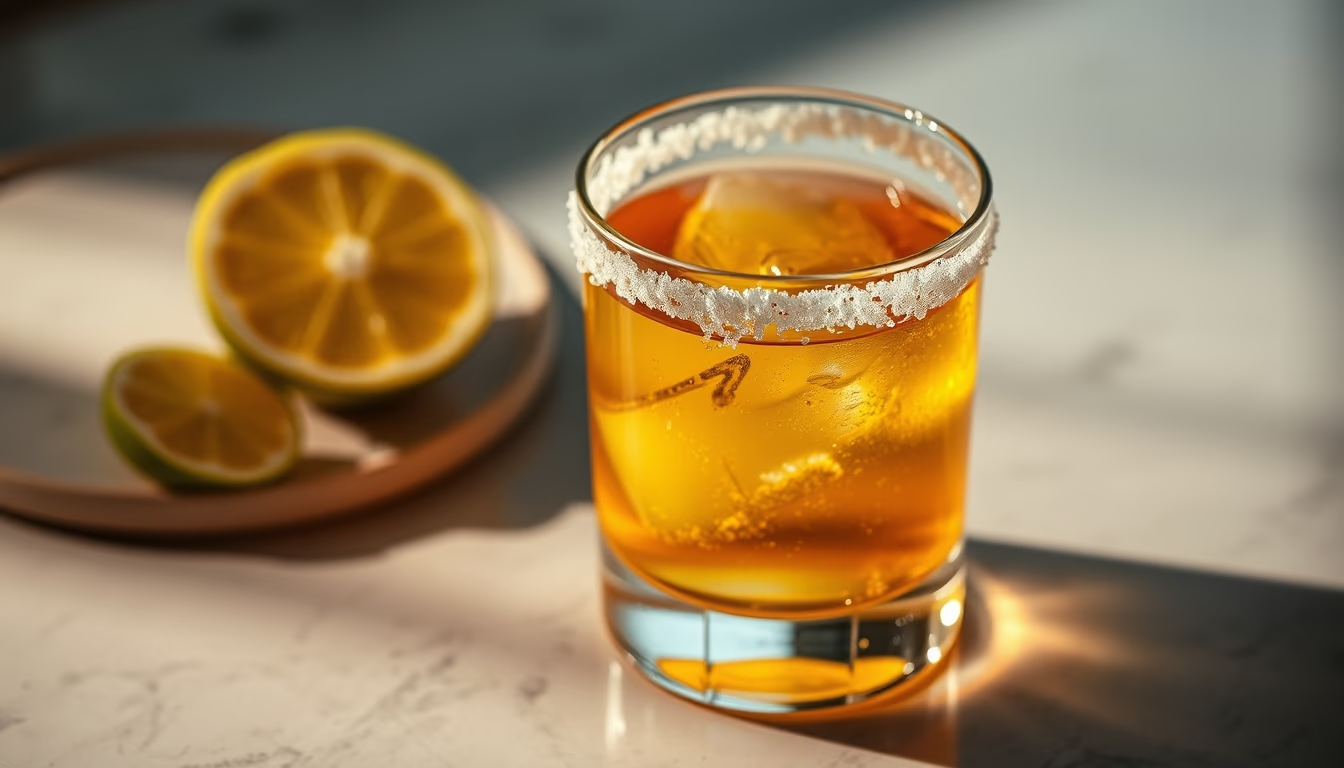
Whiskey on rocks amber
1344×768 · AVIF · CC BY 4.0
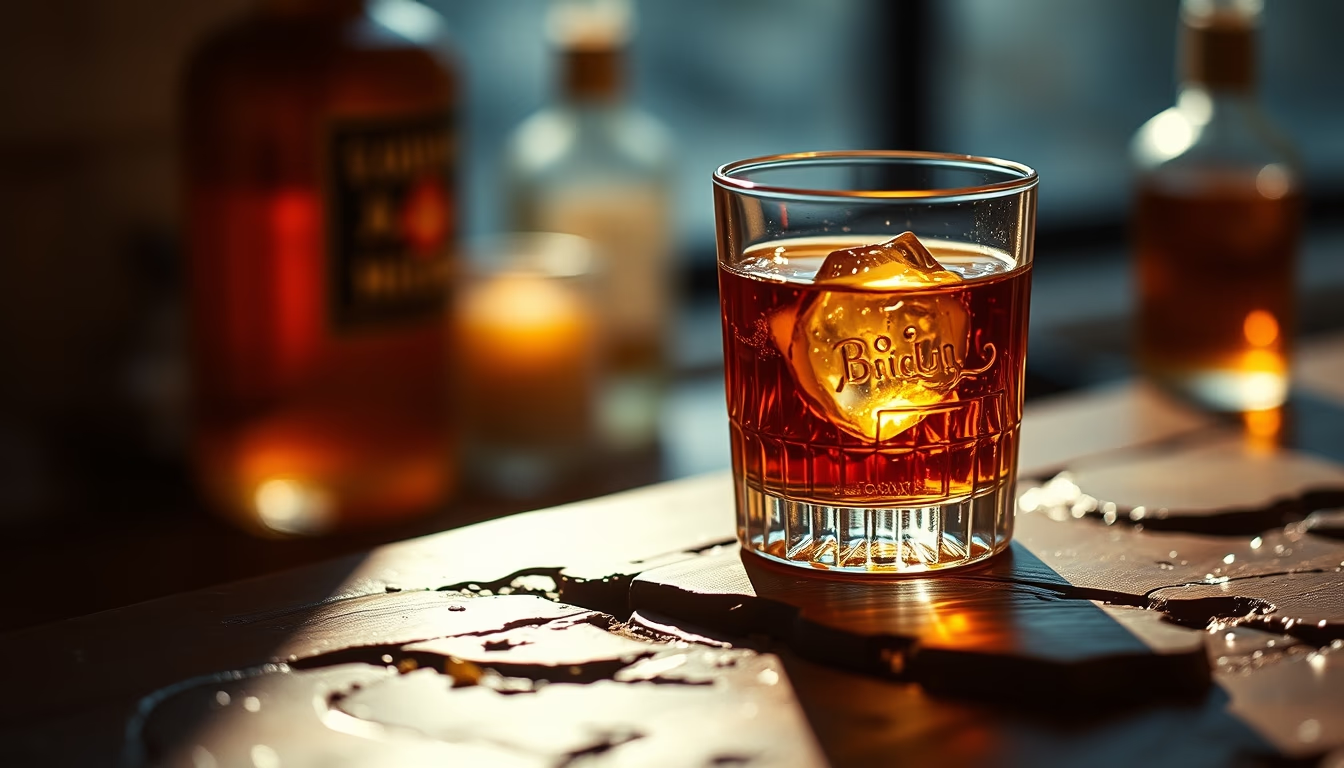
Whiskey on the rocks enhances woody and astringent notes, with an amber color indicating aging in oak barrels.
About this subject
Whiskey on the rocks is a classic way to enjoy aged spirits, combining the purity of ice with the complexity of the beverage. The amber color, ranging from light gold to deep copper, results from maturation in charred oak barrels, a process that extracts tannins, vanillin, and phenolic compounds. Each year of aging adds depth: 8- to 12-year-old whiskies typically show medium amber tones, while 18-year or older expressions tend toward intense amber with reddish highlights.
Serving whiskey over ice not only chills the drink but also alters its sensory perception. Coldness attenuates the alcohol burn and enhances notes of oak, vanilla, and spices, while slight dilution releases subtler aromas. This makes the drink ideal for those seeking a smoother experience without losing complexity. In the United States, bourbon on the rocks is a tradition, especially in Kentucky, where 95% of the world's bourbon is produced.
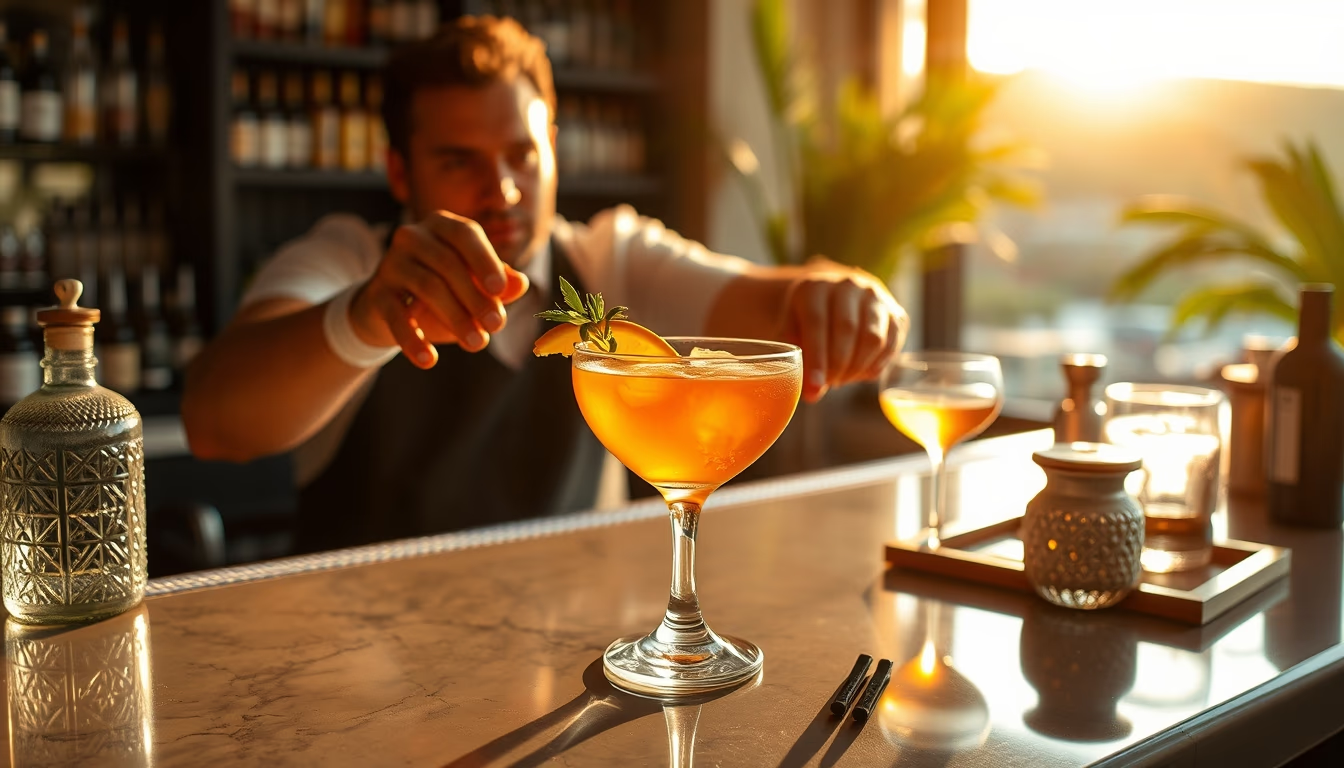
Interestingly, ice choice matters: large cubes melt slowly, preventing excessive dilution, while crushed ice chills faster and softens the flavor. In high-end bars, bartenders use a single large ice ball to maximize surface area and control melt rate. The ideal serving temperature ranges between 5°C and 10°C, balancing freshness with aroma release.
Beyond technique, whiskey on the rocks carries cultural symbolism. In literature and film, the image of a lowball glass with ice and amber evokes male sophistication, moments of reflection, or business deals. Brands like Jack Daniel's and Johnnie Walker have popularized the habit in advertisements associating the drink with post-work relaxation rituals.
Frequently Asked Questions
Why does whiskey have an amber color?
The amber color comes from aging in oak barrels. Tannins and compounds from wood, such as vanillin, are extracted by the spirit over the years, resulting in shades from gold to deep copper. Longer aging yields more intense coloring.
What is the difference between serving whiskey on the rocks and neat?
Serving on the rocks chills the drink and reduces the alcohol burn, highlighting woody and astringent notes. Controlled dilution releases subtle aromas. Neat whiskey maintains full intensity, ideal for those wanting to experience the complete profile without interference.
Which type of ice is best for whiskey?
Large cubes or ice balls are best because they melt slowly and minimize excessive dilution. Crushed ice chills faster but can water down the drink. High-end bars use ice balls to control temperature without compromising flavor.
Direct URL
https://pub-c7d6a6ea828543ac903a74a341ccb2e1.r2.dev/imagens/whiskey-on-rocks-amber-film-grain-authentic-p4.avifHow to credit
Include a visible link back to UtilizAí. Copy one of the snippets below:
<a href="https://xn--utiliza-eza.com/en/midia/imagens/whiskey-on-rocks-amber-film-grain-authentic-p4">Whiskey on rocks amber</a> by <a href="https://xn--utiliza-eza.com">UtilizAí</a>, licensed under <a href="https://creativecommons.org/licenses/by/4.0/">CC BY 4.0</a>.
[Whiskey on rocks amber](https://xn--utiliza-eza.com/en/midia/imagens/whiskey-on-rocks-amber-film-grain-authentic-p4) by [UtilizAí](https://xn--utiliza-eza.com), CC BY 4.0
License: CC-BY-4.0