Wailing wall jerusalem
1344×768 · AVIF · CC BY 4.0
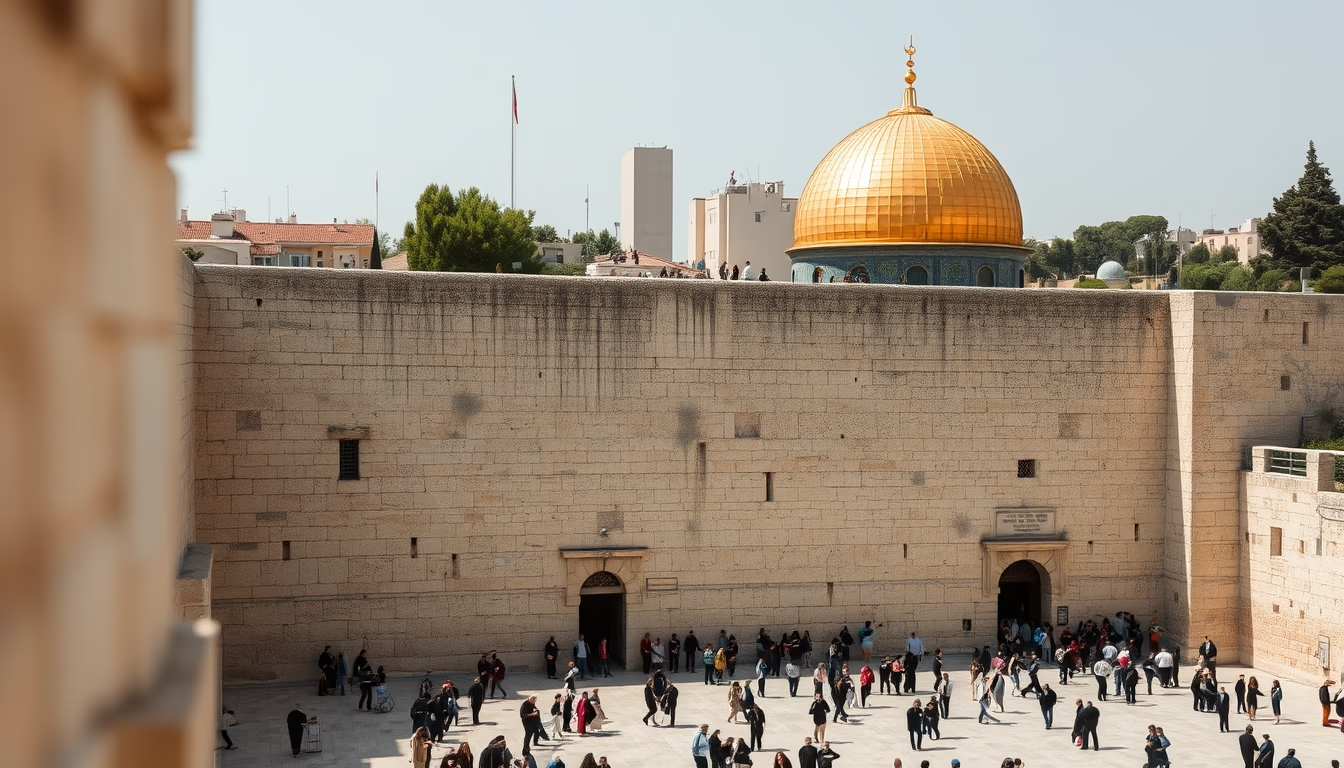
The Wailing Wall, also known as the Western Wall or Kotel, is the holiest site in Judaism, a remnant of the Second Temple in Jerusalem.
About this subject
The Wailing Wall, known in Hebrew as the Kotel, is the last remnant of the Second Temple of Jerusalem, destroyed by the Romans in 70 CE. Located in the Old City, it serves as a central site for pilgrimage and prayer for Jews worldwide. The name 'Wailing Wall' reflects mourning for the Temple's destruction, but it also symbolizes hope and spiritual renewal. Millions of visitors each year place written prayers in the cracks of the stones, a centuries-old tradition.
The site is considered the closest accessible point to the Holy of Holies, where the Divine Presence resided in the Temple. Worshippers pray facing the wall, which is divided into separate sections for men and women. During holidays such as Rosh Hashanah and Yom Kippur, the area is filled with devotees. After the Six-Day War in 1967, Israel took control of the Old City, and the Western Wall became a powerful national and religious symbol.
The visible stones at the base of the wall date from the Herodian period, with some weighing hundreds of tons. Archaeological excavations have uncovered tunnels revealing earlier historical layers. The Western Wall is not only a place of prayer but also a tourist destination and archaeological site. The surrounding area includes the Dome of the Rock and Al-Aqsa Mosque, reflecting Jerusalem's complex religious diversity.
Interestingly, the wall originally served as a retaining structure for the Temple Mount. The custom of placing prayer notes in the wall attracts people of all faiths. The site is maintained by the Western Wall Heritage Foundation, which organizes religious ceremonies and events.
Frequently Asked Questions
What is the origin of the name 'Wailing Wall'?
The name comes from the Jewish tradition of mourning the destruction of the First and Second Temples in Jerusalem. The wall is a place of prayer and lamentation, but also of hope for the Temple's rebuilding.
Why do people place notes in the Wailing Wall?
It is believed that the wall is a sacred spot where prayers are more easily heard. The notes contain personal requests and prayers, placed into the crevices of the stones. They are periodically collected and buried on the Mount of Olives.
Is the Wailing Wall divided by gender?
Yes, the wall is divided into two sections: one for men and one for women, following Orthodox Jewish traditions. There is also a mixed-gender area called the Western Wall Plaza where men and women can pray together.
Direct URL
https://pub-c7d6a6ea828543ac903a74a341ccb2e1.r2.dev/imagens/wailing-wall-jerusalem-national-geographic-style-p11.avifHow to credit
Include a visible link back to UtilizAí. Copy one of the snippets below:
<a href="https://xn--utiliza-eza.com/en/midia/imagens/wailing-wall-jerusalem-national-geographic-style-p11">Wailing wall jerusalem</a> by <a href="https://xn--utiliza-eza.com">UtilizAí</a>, licensed under <a href="https://creativecommons.org/licenses/by/4.0/">CC BY 4.0</a>.
[Wailing wall jerusalem](https://xn--utiliza-eza.com/en/midia/imagens/wailing-wall-jerusalem-national-geographic-style-p11) by [UtilizAí](https://xn--utiliza-eza.com), CC BY 4.0
License: CC-BY-4.0