Wagashi sweets seasonal
1344×768 · AVIF · CC BY 4.0
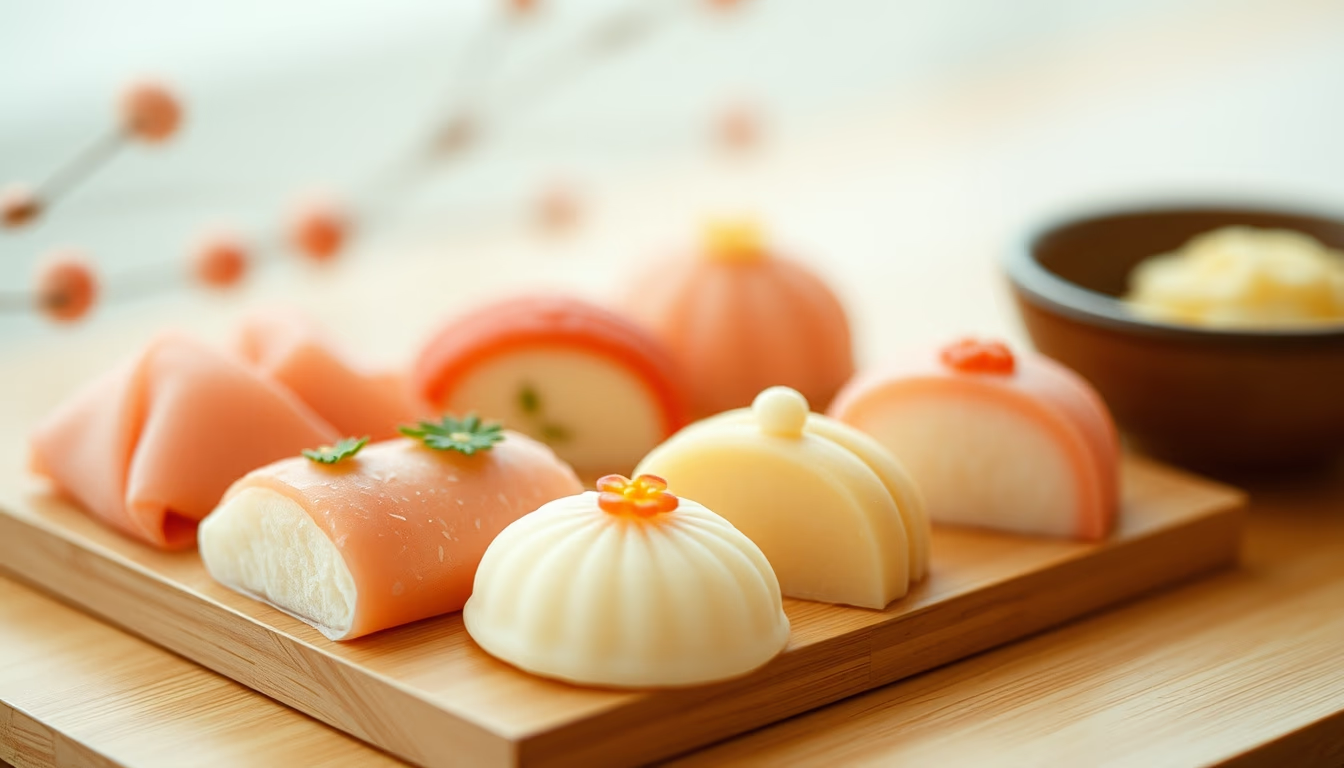
Wagashi are traditional Japanese sweets that change with the seasons, essential to the tea ceremony and renowned for their artistry and symbolism.
About this subject
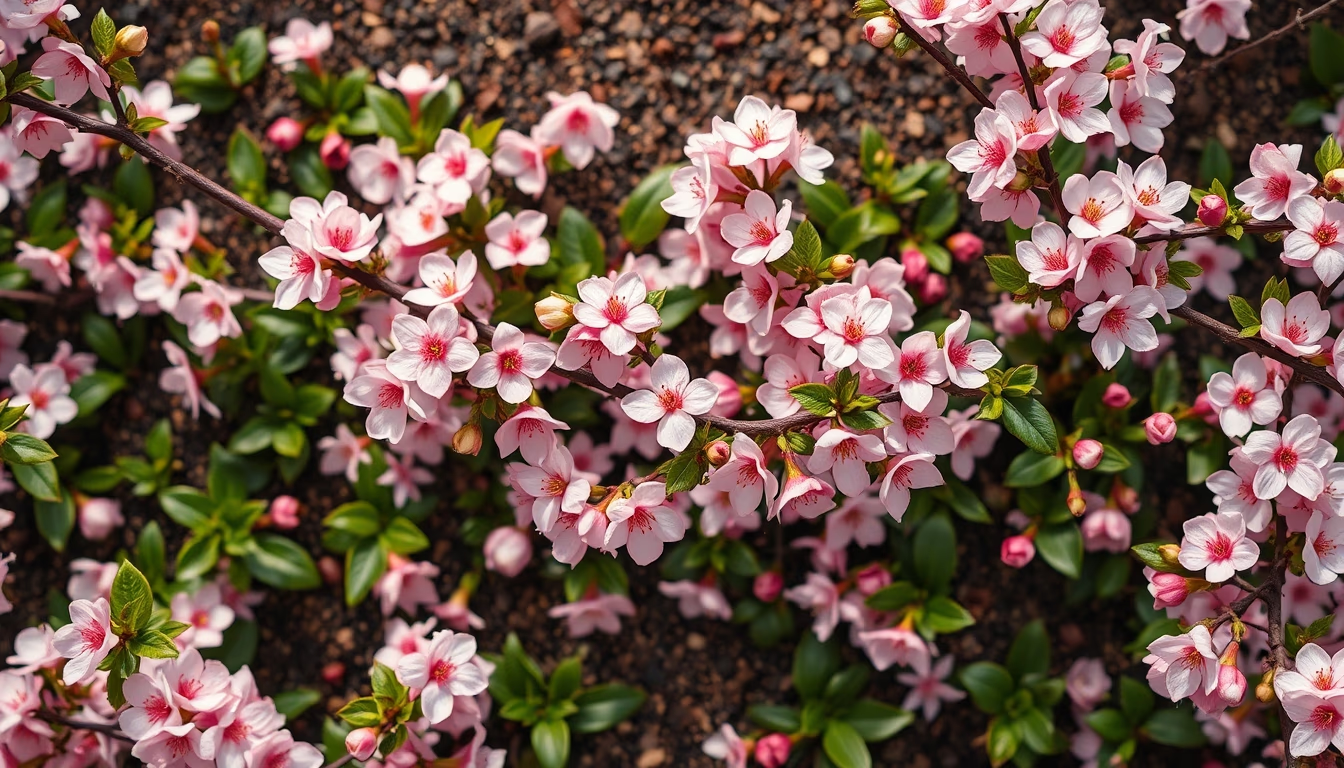
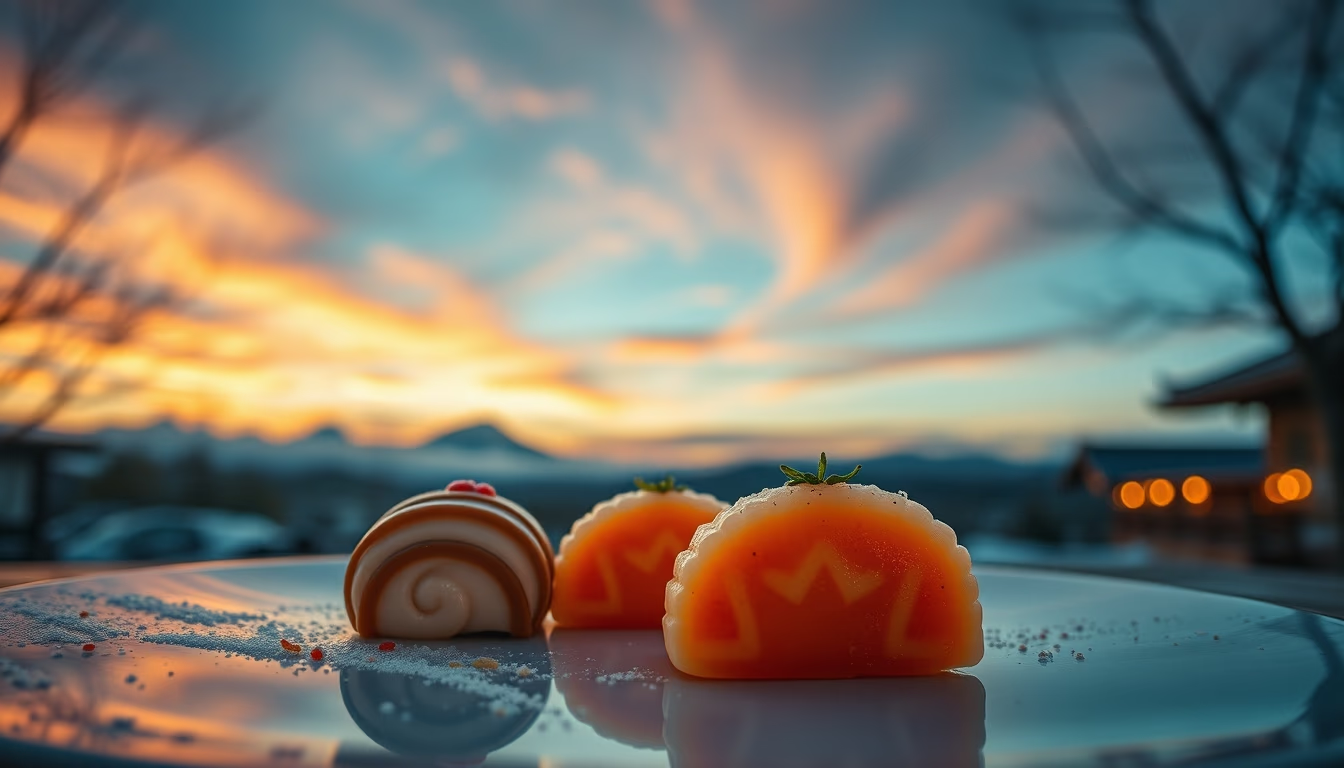
Wagashi, traditional Japanese confections, are far more than simple desserts. They are an artistic expression reflecting nature and the seasons, especially prominent in the tea ceremony (chanoyu). Each season inspires specific shapes, colors, and ingredients: spring wagashi feature cherry blossoms (sakura); summer evokes water or ice motifs; autumn brings maple leaves; winter suggests snowflakes. This seasonality is not only visual but also gustatory, using seasonal fruits, beans, and herbs.
Main types include namagashi (fresh, high moisture), han-namagashi (semi-fresh), and higashi (dry). Namagashi are the most refined, made from white bean paste (shiroan) or red azuki bean paste (koshian), often hand-molded with special tools. The craft demands years of training, and each piece is an ephemeral work of art, meant to be consumed quickly to preserve texture and flavor.
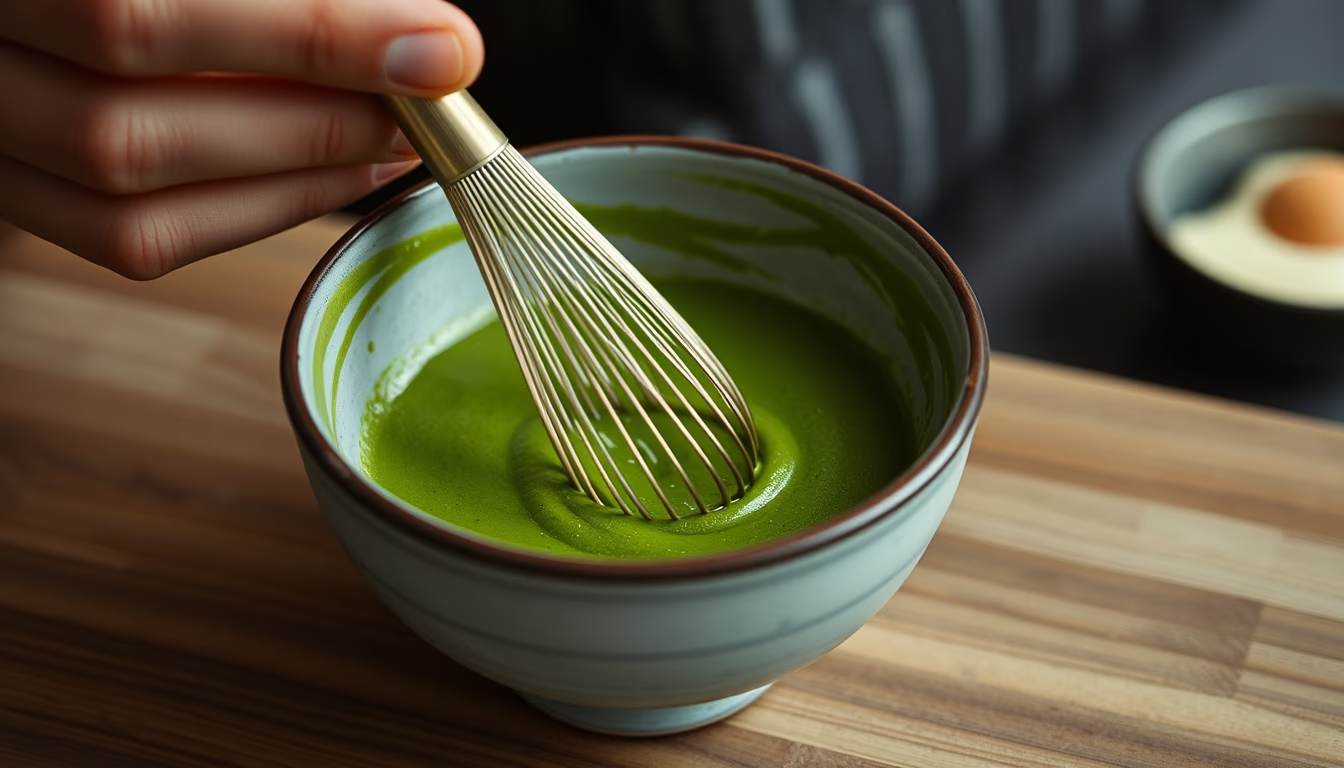
In the tea ceremony, wagashi play a crucial role: balancing the bitterness of matcha green tea. The sweet is served before the tea, and its sweetness prepares the palate. The choice of wagashi is carefully curated to align with the gathering's theme (temae) and the season. Shape and color may represent poems, landscapes, or cultural references, creating a multisensory experience beyond taste.
Artisanal wagashi production is concentrated in cities like Kyoto, Tokyo, and Kanazawa, with confectioneries (wagashiya) that are centuries old. Common ingredients include rice flour (mochiko), agar-agar (kanten), sugar, and beans. Classics include nerikiri (hand-molded) and yokan (bean jelly). Although tradition remains strong, modern wagashi incorporate Western flavors like chocolate or coffee, yet always maintain respect for seasonality and aesthetics.
Frequently Asked Questions
What does wagashi mean?
Wagashi (和菓子) literally means 'Japanese sweets'. It covers a range of traditional confections made from ingredients like beans, rice, agar-agar, and sugar, often linked to the tea ceremony and the seasons.
What is the difference between namagashi and higashi?
Namagashi are fresh wagashi with high moisture content (about 30-40%), handcrafted and meant to be eaten quickly. Higashi are dry, low-moisture sweets made from rice flour and sugar, with long shelf life. Namagashi are more elaborate and seasonal; higashi are simpler and used in formal tea ceremonies.
Why are wagashi seasonal?
Seasonality is a core principle in Japanese culture, reflected in wagashi. Each season inspires ingredients, shapes, and colors that evoke nature: cherry blossoms in spring, water in summer, leaves in autumn, snow in winter. This creates a connection to the present moment and enriches the tea ceremony experience.
Direct URL
https://pub-c7d6a6ea828543ac903a74a341ccb2e1.r2.dev/imagens/wagashi-sweets-seasonal-film-grain-authentic-fresh15.avifHow to credit
Include a visible link back to UtilizAí. Copy one of the snippets below:
<a href="https://xn--utiliza-eza.com/en/midia/imagens/wagashi-sweets-seasonal-film-grain-authentic-fresh15">Wagashi sweets seasonal</a> by <a href="https://xn--utiliza-eza.com">UtilizAí</a>, licensed under <a href="https://creativecommons.org/licenses/by/4.0/">CC BY 4.0</a>.
[Wagashi sweets seasonal](https://xn--utiliza-eza.com/en/midia/imagens/wagashi-sweets-seasonal-film-grain-authentic-fresh15) by [UtilizAí](https://xn--utiliza-eza.com), CC BY 4.0
License: CC-BY-4.0