Virus 3d render covid
1344×768 · AVIF · CC BY 4.0
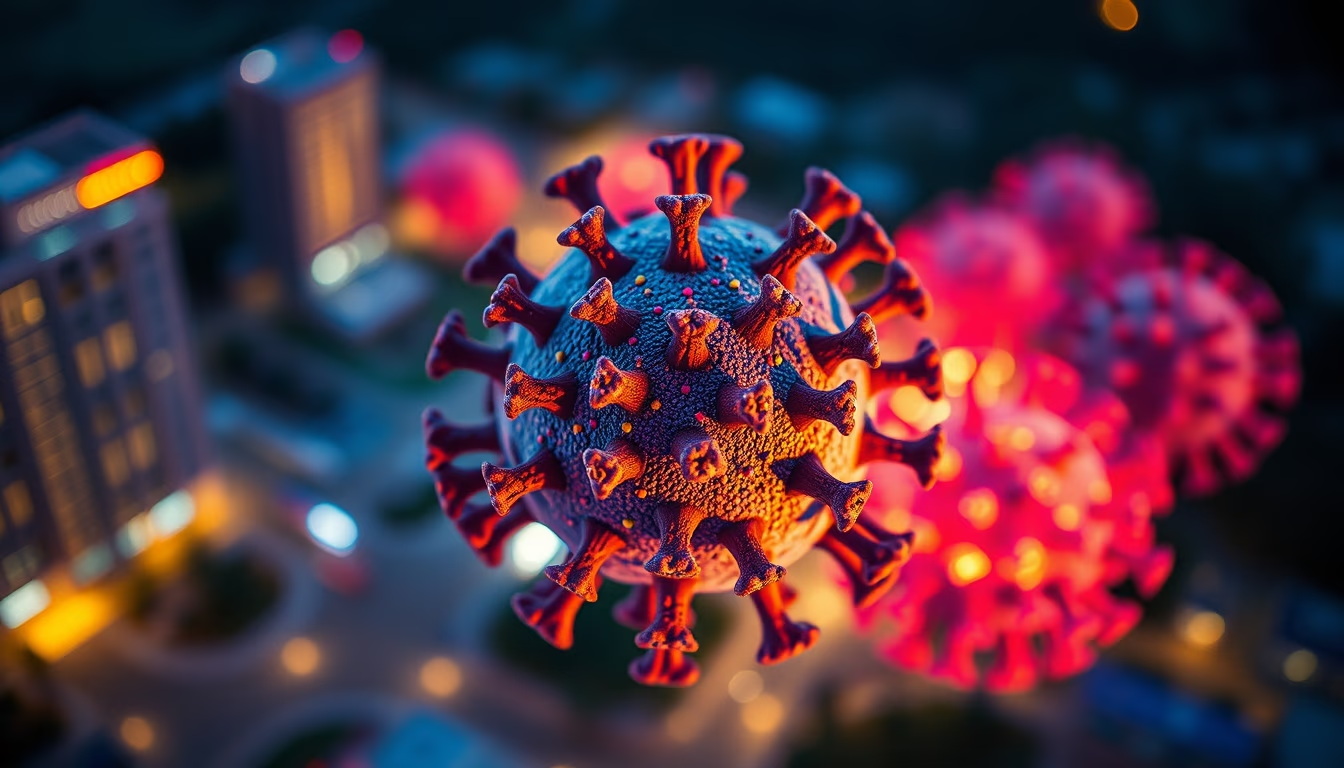
SARS-CoV-2, the virus that causes COVID-19, is spherical with spike protein projections that bind to human cells, triggering the global pandemic that began in 2019.
About this subject
SARS-CoV-2 is an enveloped betacoronavirus with a single-stranded positive-sense RNA genome of approximately 30,000 nucleotides. Its structure includes four main structural proteins: spike (S), envelope (E), membrane (M), and nucleocapsid (N). The spike protein, which binds to the ACE2 receptor to enter human cells, is the primary target of vaccines. The virus also has hemagglutinin-esterase (HE) protein, present in some coronaviruses, and a lipid envelope derived from the host cell membrane.
The origin of SARS-CoV-2 is zoonotic, with evidence pointing to bats as a natural reservoir and possibly pangolins as intermediate hosts. The first outbreak was identified in Wuhan, China, in December 2019, spreading rapidly via respiratory droplets and aerosols. The pandemic resulted in over 770 million confirmed cases and 7 million deaths by 2025, according to WHO, along with profound economic and social impacts.
The virus constantly mutates, generating variants of concern such as Alpha, Beta, Gamma, Delta, and Omicron, the latter with dozens of sublineages partially evading vaccine-induced immunity. mRNA, viral vector, and recombinant protein vaccines were developed in record time, reducing hospitalizations and deaths. Ongoing research into antivirals like Paxlovid and monoclonal antibodies expanded therapeutic options.
Global genomic surveillance, led by initiatives such as GISAID, monitors the emergence of new variants, while non-pharmaceutical measures like masking and physical distancing remain relevant during outbreaks. Understanding SARS-CoV-2 biology has driven advances in virology and immunology, preparing the world for future pandemics.
Frequently Asked Questions
How does SARS-CoV-2 infect human cells?
The virus uses its spike protein to bind to the ACE2 receptor on the surface of human cells, primarily in the respiratory tract. After binding, the viral membrane fuses with the cell membrane, releasing the viral RNA into the cytoplasm to initiate replication.
What are the main variants of SARS-CoV-2?
The main variants of concern include Alpha (B.1.1.7), Beta (B.1.351), Gamma (P.1), Delta (B.1.617.2), and Omicron (B.1.1.529). Omicron, detected in 2021, generated multiple sublineages due to high transmissibility and partial immune escape.
Why is the spike protein an important target for vaccines?
The spike protein is essential for viral entry into cells and is the most exposed part of SARS-CoV-2. Vaccines induce neutralizing antibodies against this protein, preventing infection and reducing disease severity.
Direct URL
https://pub-c7d6a6ea828543ac903a74a341ccb2e1.r2.dev/imagens/virus-3d-render-covid-aerial-drone-shot-p3.avifHow to credit
Include a visible link back to UtilizAí. Copy one of the snippets below:
<a href="https://xn--utiliza-eza.com/en/midia/imagens/virus-3d-render-covid-aerial-drone-shot-p3">Virus 3d render covid</a> by <a href="https://xn--utiliza-eza.com">UtilizAí</a>, licensed under <a href="https://creativecommons.org/licenses/by/4.0/">CC BY 4.0</a>.
[Virus 3d render covid](https://xn--utiliza-eza.com/en/midia/imagens/virus-3d-render-covid-aerial-drone-shot-p3) by [UtilizAí](https://xn--utiliza-eza.com), CC BY 4.0
License: CC-BY-4.0