Vinyl record on turntable closeup
1344×768 · AVIF · CC BY 4.0
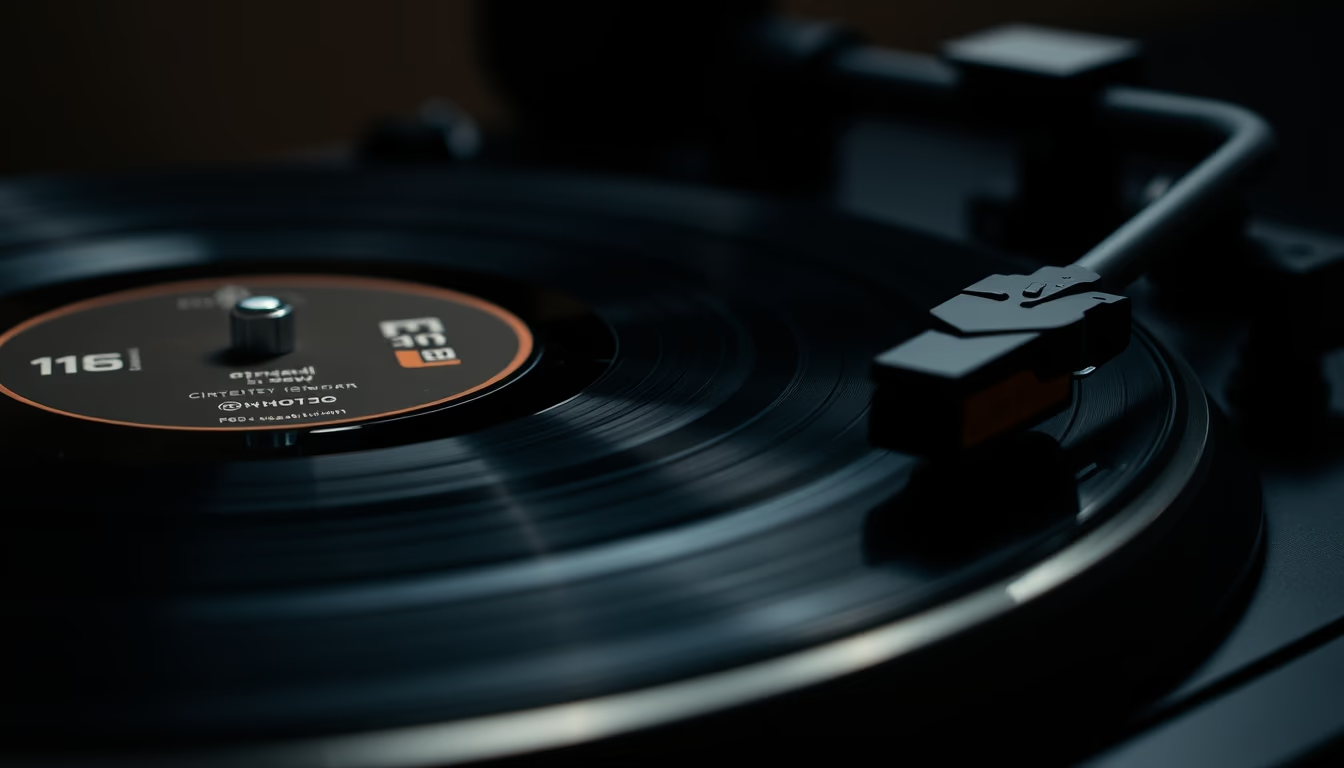
The vinyl record, with its spiral grooves, is an icon of analog music making a comeback with new generations.
About this subject
The vinyl record is an analog sound storage medium that encodes audio in spiral grooves on the disc surface. As the turntable spins the vinyl at 33⅓ or 45 revolutions per minute, a stylus (needle) traces these grooves, converting physical variations into electrical signals that are amplified and turned into sound. This mechanical process gives vinyl a distinct sonic signature, often described as warm and rich, with gentle harmonic distortion that pleases the ear.
Vinyl's history began in the 1940s when Columbia Records introduced the 12-inch, 33⅓ rpm disc, replacing fragile 78 rpm shellac records. It dominated the music market until the 1980s when CDs took over. However, from the 2000s onward, vinyl made a strong comeback: sales of new and used records have been rising yearly, driven by audiophiles, DJs, and younger listeners seeking a tangible listening experience. Globally, iconic albums from The Beatles to contemporary releases are pressed on vinyl, and even major streaming services now report that vinyl sales contribute significantly to artists' revenue.
Technically, a standard LP holds 20 to 25 minutes of audio per side, with groove width and depth affecting fidelity. The stylus, usually diamond or sapphire, needs replacement every 500 to 1000 hours to avoid record wear. Keeping vinyl clean and stored in its protective sleeve is crucial to preserve sound quality and minimize clicks and background noise.
Culturally, vinyl goes beyond audio: the large 12x12 inch cover allows for designed artwork by renowned artists, and the ritual of placing the record on the platter, cleaning the stylus, and reading liner notes is part of the experience. For many, vinyl represents a more intentional way to consume music, contrasting with impersonal streaming. Its enduring revival, including new albums released on vinyl, proves that the analog format still has much to say in the digital world of 2026.
Frequently Asked Questions
How does a vinyl record produce sound?
The turntable spins the record while a stylus traces the spiral grooves. Mechanical vibrations are converted into electrical signals by the cartridge, then amplified and sent to speakers.
Why has vinyl become popular again?
There is a desire for a tangible, analog sound experience with warmer audio. Large album covers and the ritual of listening attract collectors and younger audiences seeking a break from streaming.
What is the difference between vinyl and CD/streaming?
Vinyl is analog (continuous sound), while CD and streaming are digital (discrete samples). Many listeners prefer vinyl for its gentle harmonic distortion and natural dynamics, though digital offers greater noise floor and convenience.
Direct URL
https://pub-c7d6a6ea828543ac903a74a341ccb2e1.r2.dev/imagens/vinyl-record-on-turntable-closeup-fine-art-photography-p6.avifHow to credit
Include a visible link back to UtilizAí. Copy one of the snippets below:
<a href="https://xn--utiliza-eza.com/en/midia/imagens/vinyl-record-on-turntable-closeup-fine-art-photography-p6">Vinyl record on turntable closeup</a> by <a href="https://xn--utiliza-eza.com">UtilizAí</a>, licensed under <a href="https://creativecommons.org/licenses/by/4.0/">CC BY 4.0</a>.
[Vinyl record on turntable closeup](https://xn--utiliza-eza.com/en/midia/imagens/vinyl-record-on-turntable-closeup-fine-art-photography-p6) by [UtilizAí](https://xn--utiliza-eza.com), CC BY 4.0
License: CC-BY-4.0