Kalimba thumb piano
1344×768 · AVIF · CC BY 4.0
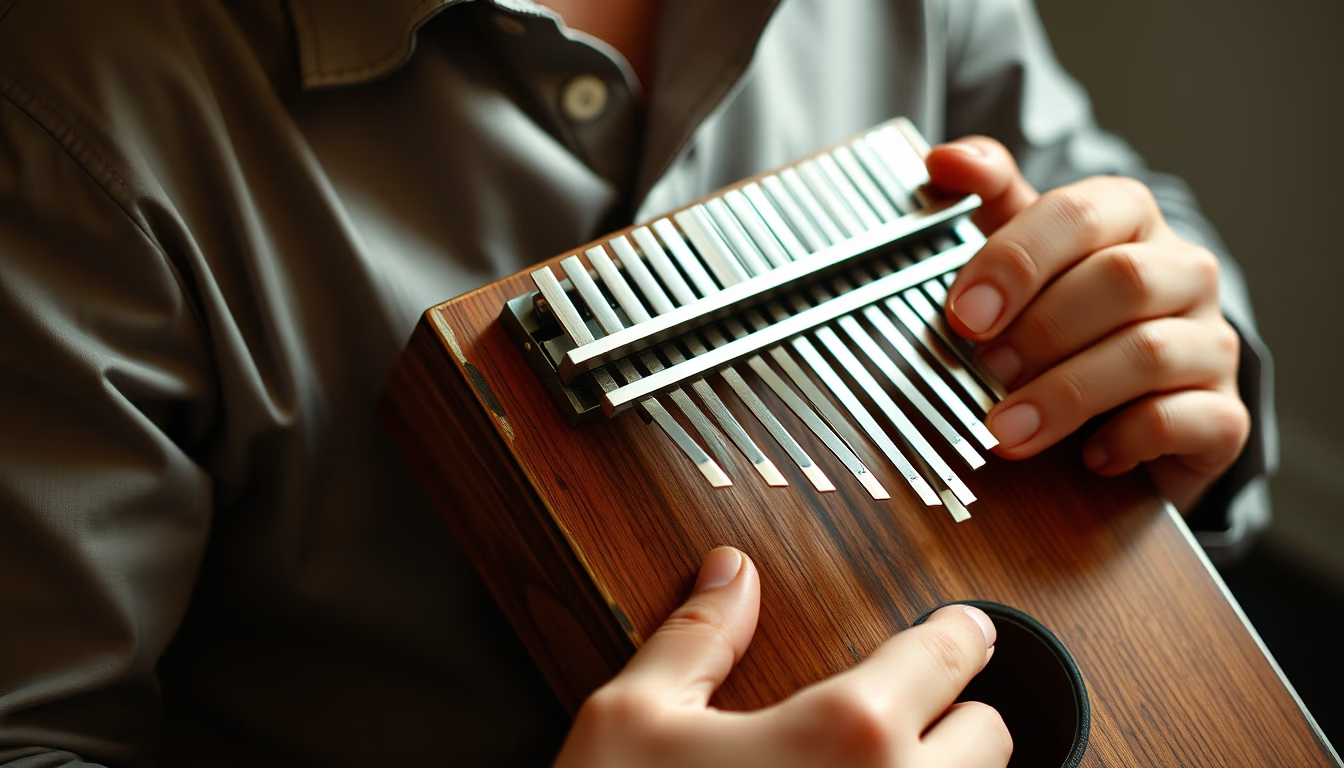
The kalimba, also known as a thumb piano, is a musical instrument of African origin that produces melodic sounds by pressing metal tines.
About this subject
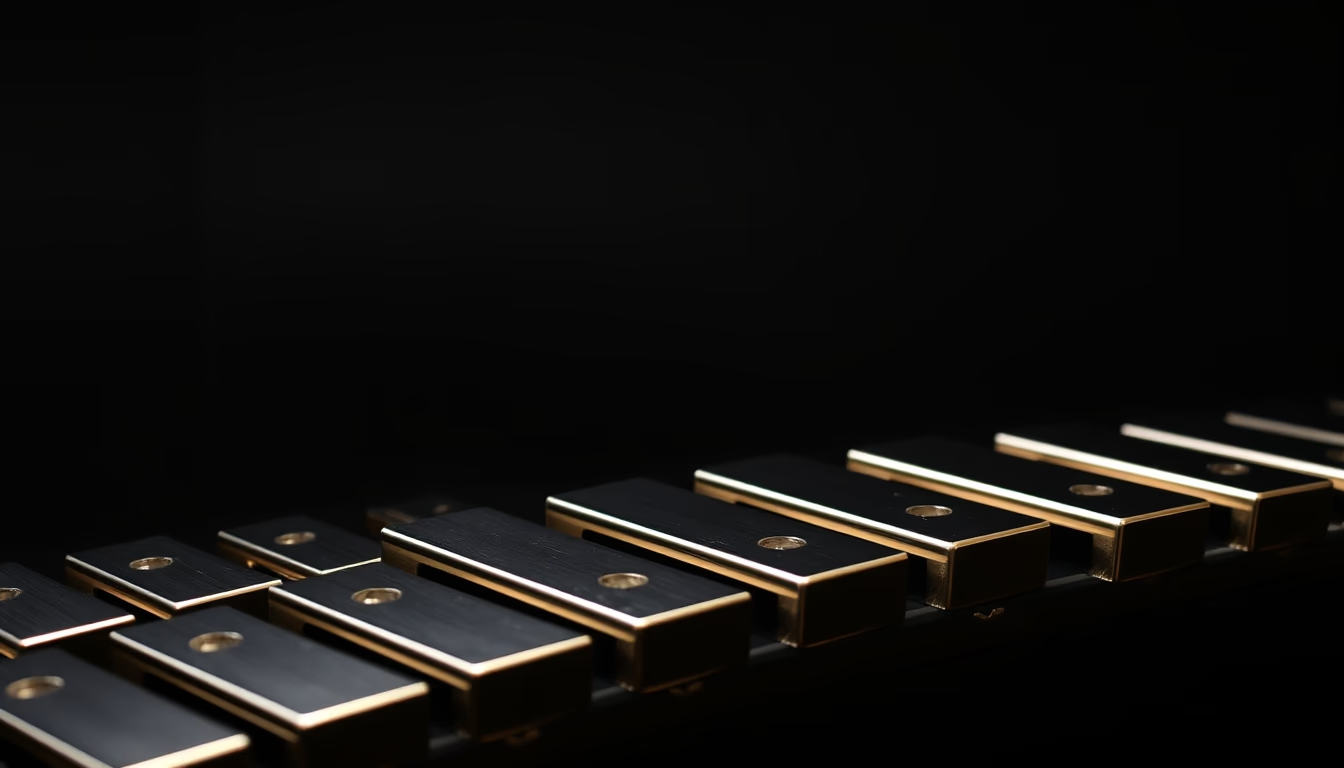
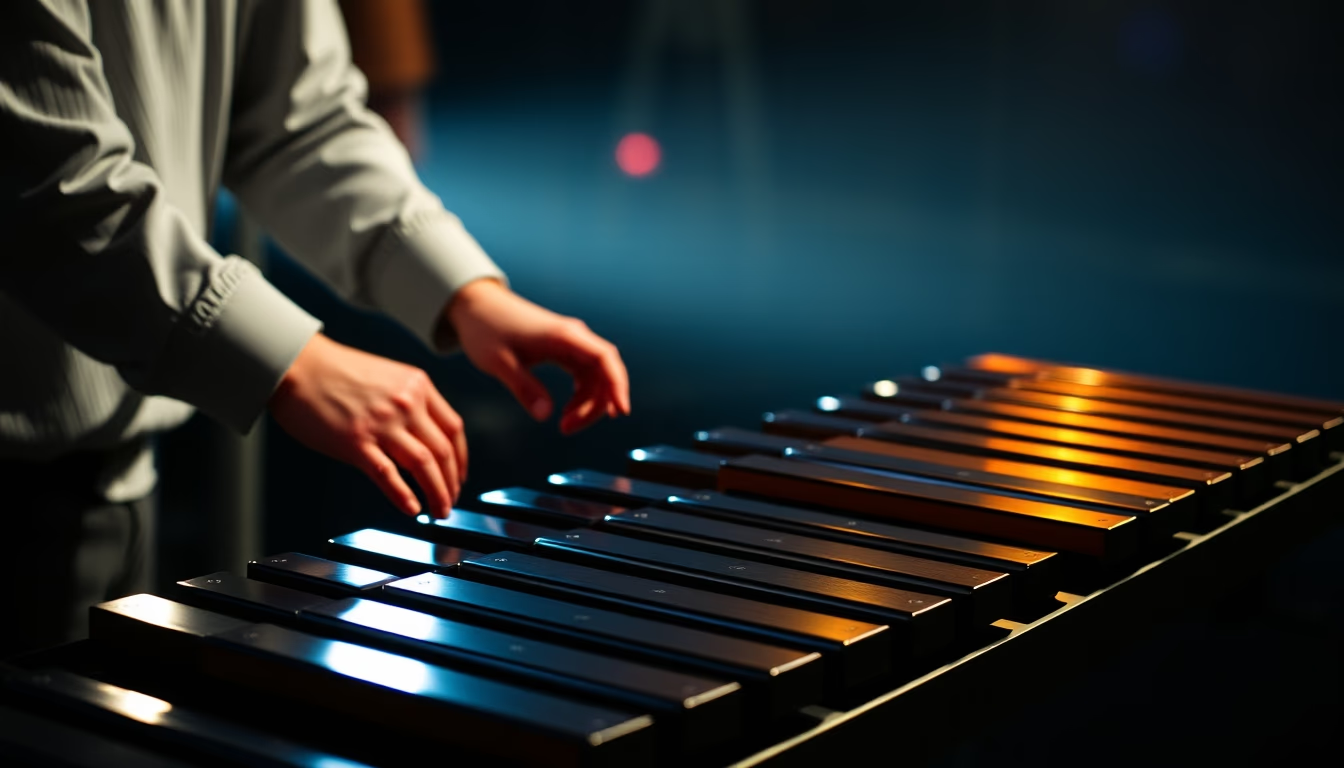
The kalimba is an idiophone instrument traditionally used by various Sub-Saharan African peoples, such as the Shona of Zimbabwe, where it is called mbira. It consists of a resonance box, usually made of wood, and a set of metal tines (originally iron) attached to a bridge. The musician holds the instrument with both hands and plucks the tines with the thumbs, hence the name "thumb piano." The tines are tuned to specific scales, varying by region and tradition.
The mbira plays a central role in Shona culture, used in religious ceremonies, healing rituals, and social gatherings. Its sound is described as hypnotic and ethereal, often accompanied by singing and percussion. During the colonial period, the instrument spread to other parts of the world, influencing genres like jazz and contemporary popular music.
In the 20th century, the kalimba was adapted and commercialized in the West, with variations like the chromatic kalimba, which has more tines and allows playing a wider range of notes. Brands such as Hokema and Gecko popularized modern versions, made with materials like acrylic and aluminum, while preserving the original acoustic principle. Tuning is often in C major or A minor, making it easy to play simple melodies.
Today, the kalimba is valued for its portability and ease of learning, used in music therapy, meditation, and recordings. Its warm and organic sound attracts musicians of all levels. Although small, the kalimba carries centuries of history and symbolism, representing the connection between humans and nature in African traditions.
Frequently Asked Questions
Where does the kalimba originate?
The kalimba originates from Africa, particularly the Shona people of Zimbabwe, where it is called mbira. It is an ancient instrument used in rituals and celebrations.
How do you play the kalimba?
Hold the instrument with both hands and use your thumbs to pluck the metal tines. Each tine produces a note; the sequence determines the melody.
What are the differences between mbira and modern kalimba?
Traditional mbira often has a gourd resonator and iron tines, while modern kalimba uses wood or acrylic and steel tines, with chromatic or diatonic tuning.
Direct URL
https://pub-c7d6a6ea828543ac903a74a341ccb2e1.r2.dev/imagens/kalimba-thumb-piano-film-grain-authentic-p12.avifHow to credit
Include a visible link back to UtilizAí. Copy one of the snippets below:
<a href="https://xn--utiliza-eza.com/en/midia/imagens/kalimba-thumb-piano-film-grain-authentic-p12">Kalimba thumb piano</a> by <a href="https://xn--utiliza-eza.com">UtilizAí</a>, licensed under <a href="https://creativecommons.org/licenses/by/4.0/">CC BY 4.0</a>.
[Kalimba thumb piano](https://xn--utiliza-eza.com/en/midia/imagens/kalimba-thumb-piano-film-grain-authentic-p12) by [UtilizAí](https://xn--utiliza-eza.com), CC BY 4.0
License: CC-BY-4.0