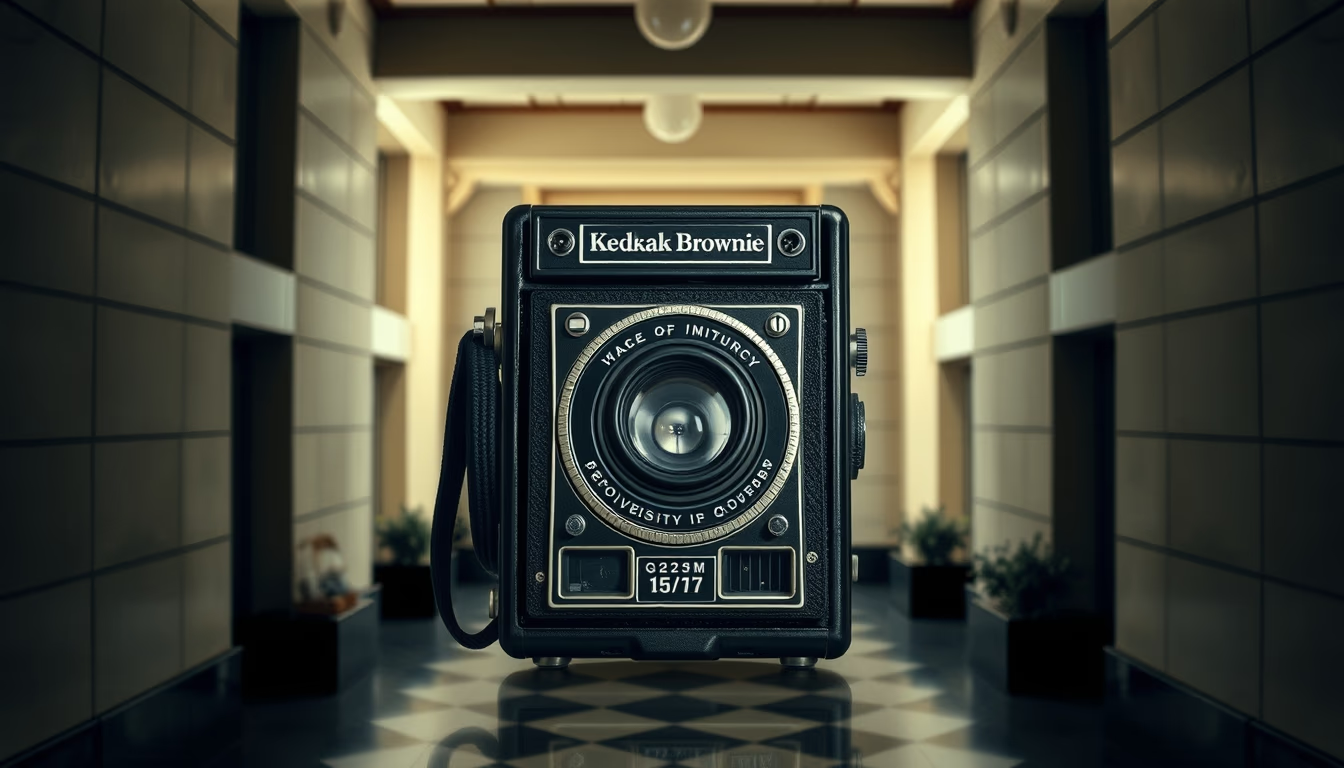
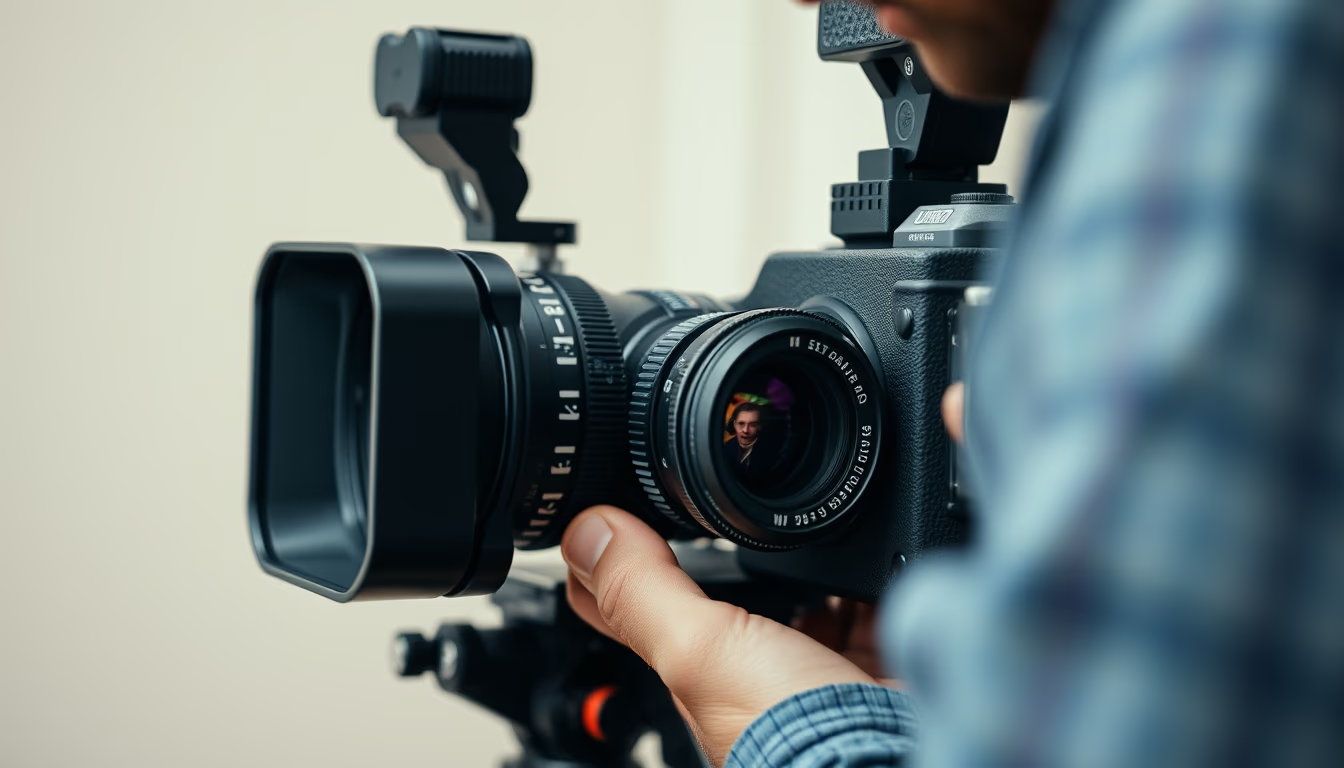
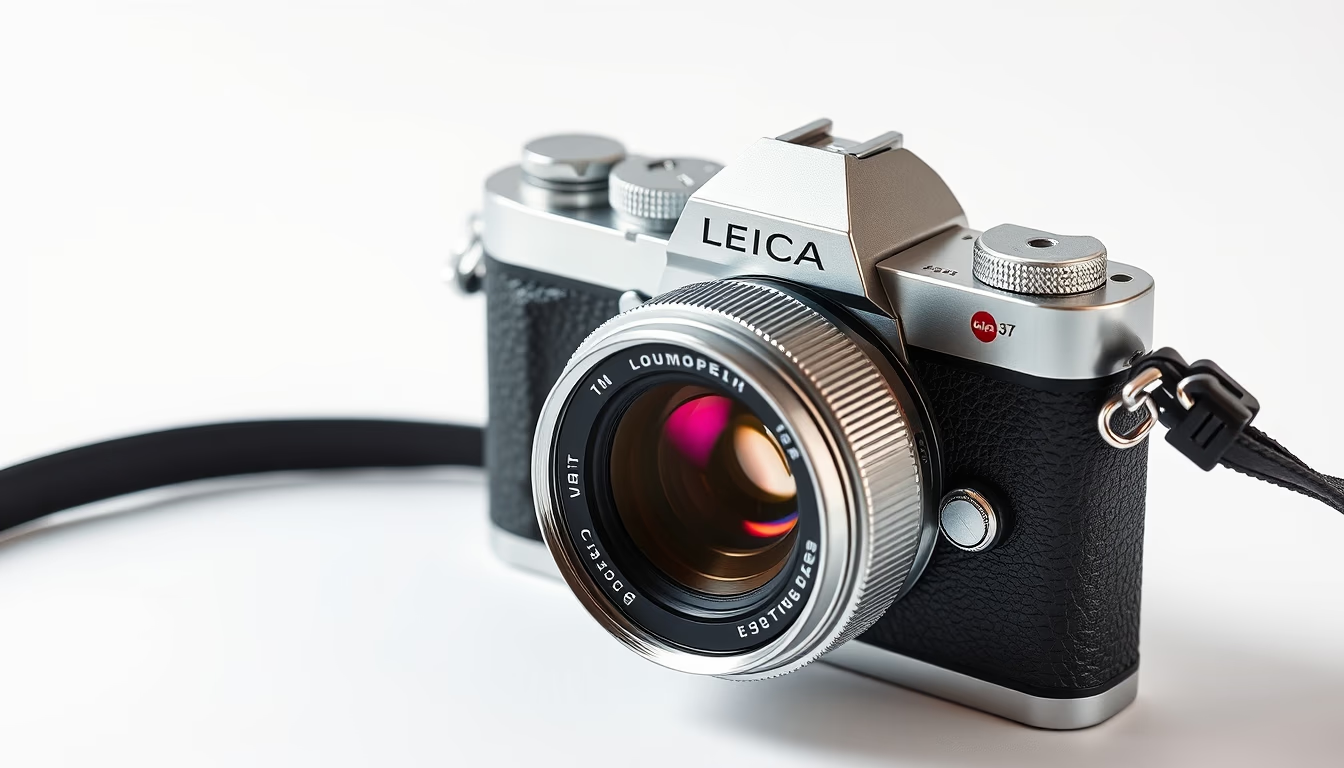
View camera bellows
1344×768 · AVIF · CC BY 4.0
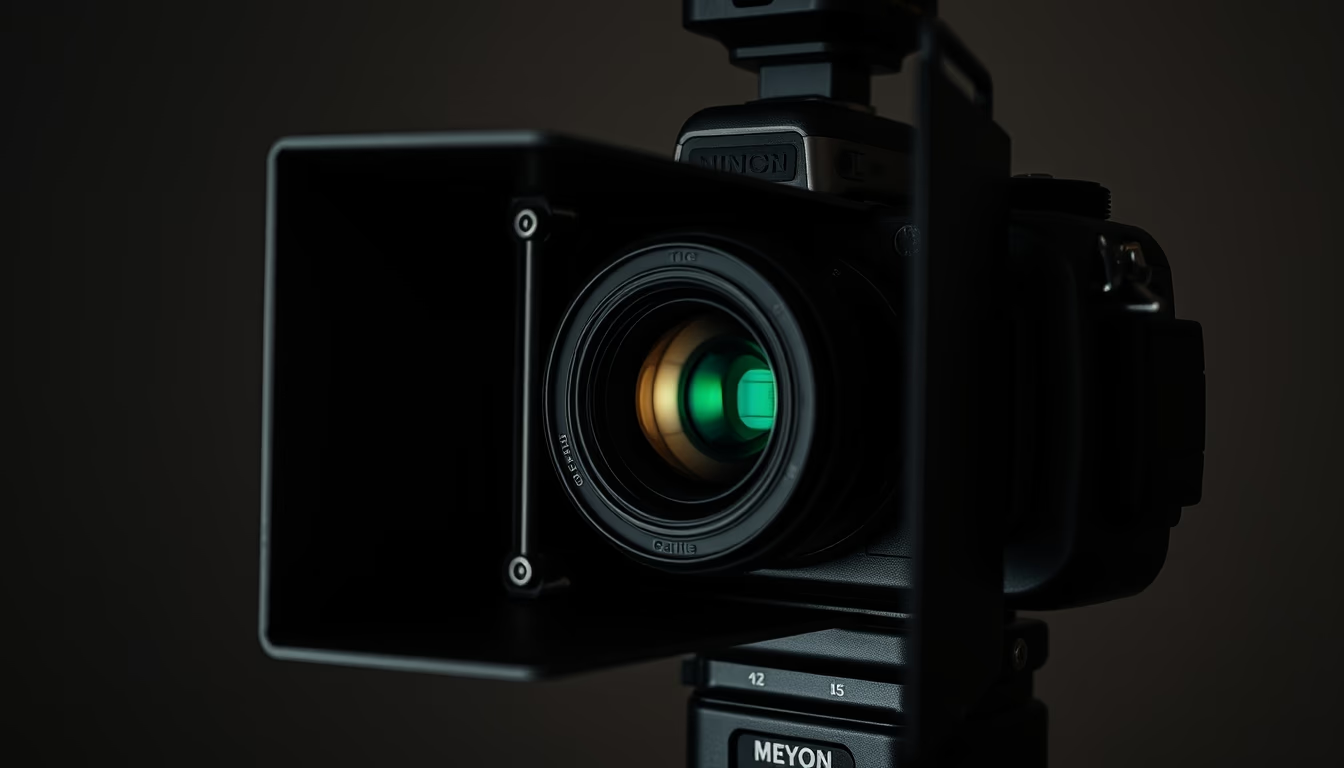
The bellows of a large format view camera are a critical component that enables precise focus and perspective adjustments in high-resolution photography.
About this subject
The bellows of large format view cameras are flexible structures made from materials such as leather, rubber, or waxed fabric. They connect the front standard (lens board) to the rear standard (film holder), enabling movements like tilt, shift, and swing. These movements are essential for controlling depth of field and correcting perspective distortion in architectural and landscape photography.
Historically, view cameras were widely used by photographers in the 19th and early 20th centuries, such as Kodak and Linhof models. Bellows design evolved from simple leather versions to more durable and lightweight systems, allowing greater portability and precision. Bellows vary in size and extension, with 4x5 inch cameras being common, but models exist in 8x10 and larger formats.
A technical curiosity: high-quality bellows are hand-stitched and reinforced to prevent light leaks. Modern bellows often use synthetic materials like polyester, which better resist aging. The ability to expand and compress without tearing is critical, and bellows can be damaged by prolonged sun exposure or moisture.
Today, view cameras are used by fine art and architecture photographers seeking maximum image quality. The bellows remain an iconic element of this equipment, symbolizing the precision engineering of analog photography.
Frequently Asked Questions
What is the purpose of bellows in a view camera?
Bellows allow the lens and film to move independently, enabling focus and perspective adjustments. This is essential for controlling sharpness across different planes and correcting distortions like converging lines in building photos.
What materials are used to make bellows?
Traditionally, bellows were made of leather or waxed fabric. Today, synthetic materials like polyester or rubber are common for being more durable and lightweight. Some handcrafted bellows still use leather.
How do I care for an old camera bellows?
Avoid prolonged sun or moisture exposure. Clean with a dry cloth and store in a ventilated area. Leather bellows may need conditioning with specific products to prevent cracking.
Direct URL
https://pub-c7d6a6ea828543ac903a74a341ccb2e1.r2.dev/imagens/view-camera-bellows-magazine-editorial-fresh13.avifHow to credit
Include a visible link back to UtilizAí. Copy one of the snippets below:
<a href="https://xn--utiliza-eza.com/en/midia/imagens/view-camera-bellows-magazine-editorial-fresh13">View camera bellows</a> by <a href="https://xn--utiliza-eza.com">UtilizAí</a>, licensed under <a href="https://creativecommons.org/licenses/by/4.0/">CC BY 4.0</a>.
[View camera bellows](https://xn--utiliza-eza.com/en/midia/imagens/view-camera-bellows-magazine-editorial-fresh13) by [UtilizAí](https://xn--utiliza-eza.com), CC BY 4.0
License: CC-BY-4.0