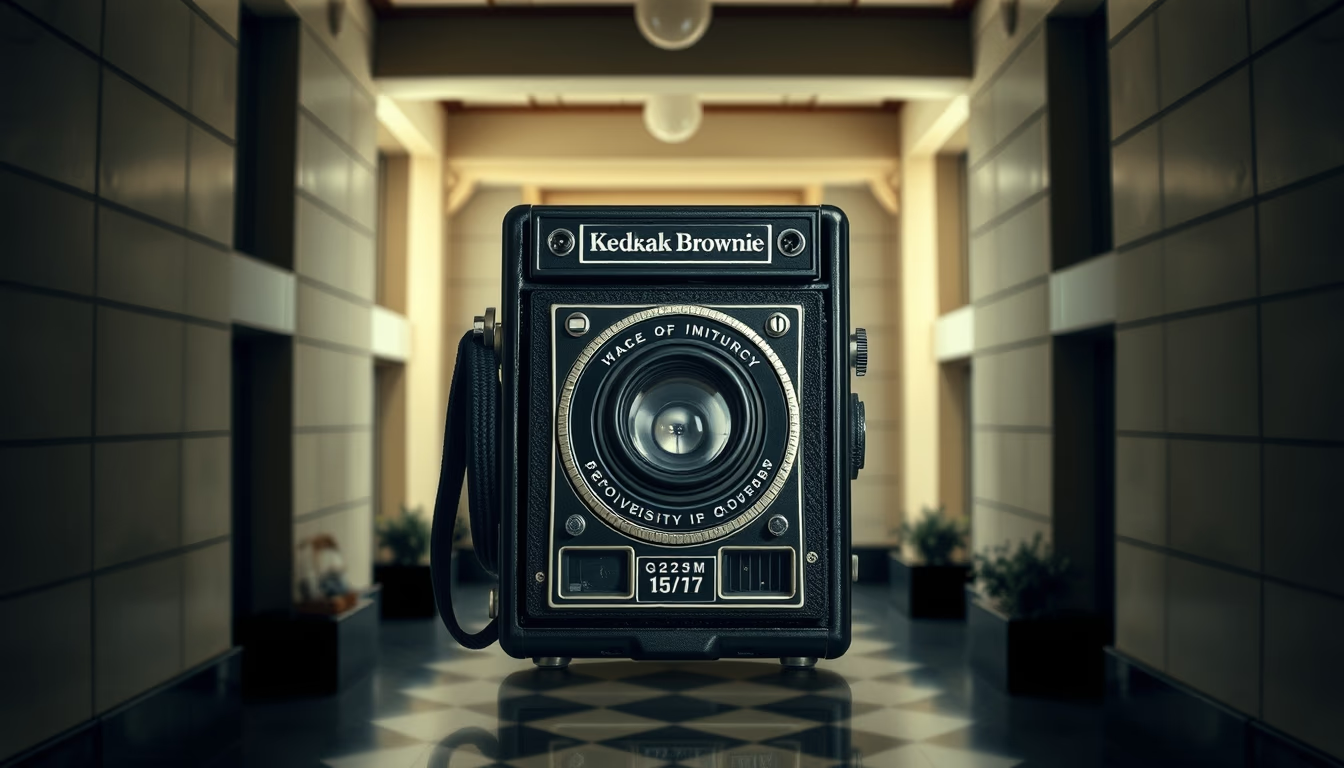
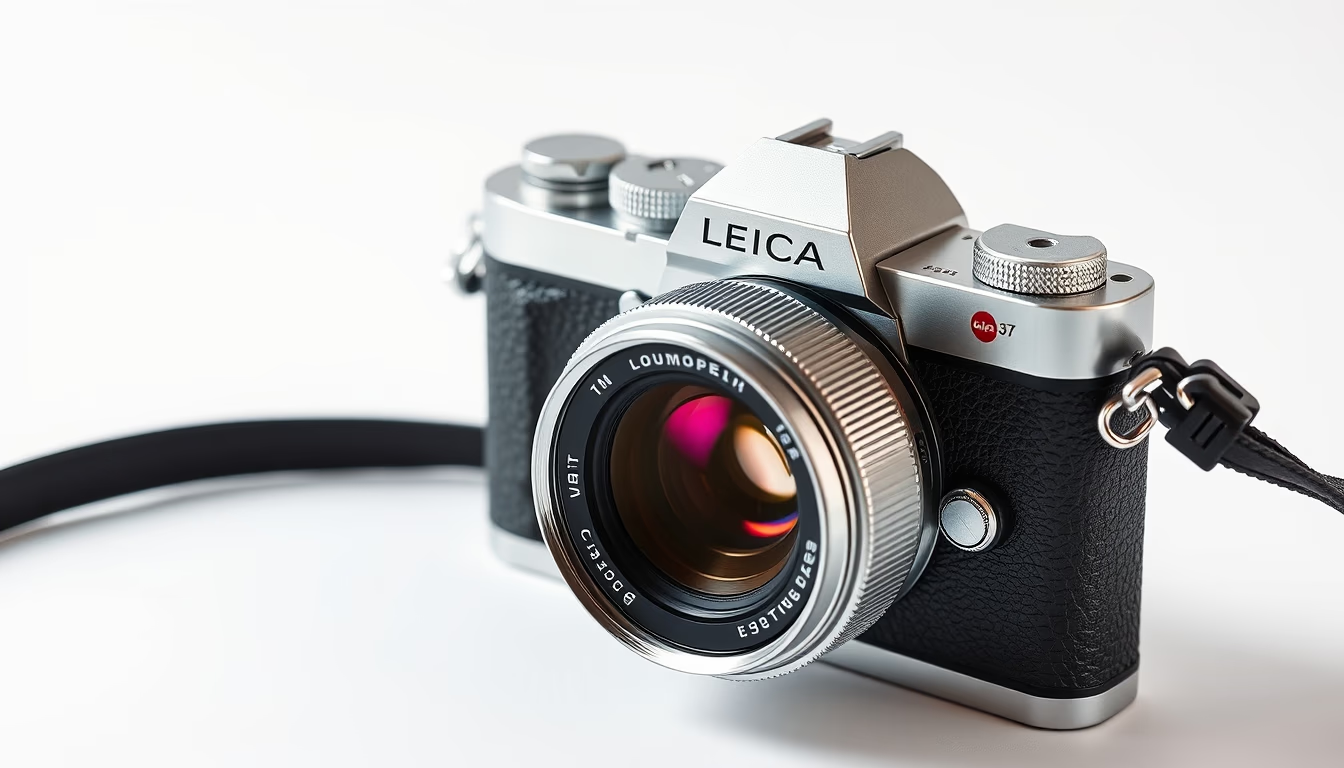
View camera bellows
1344×768 · AVIF · CC BY 4.0
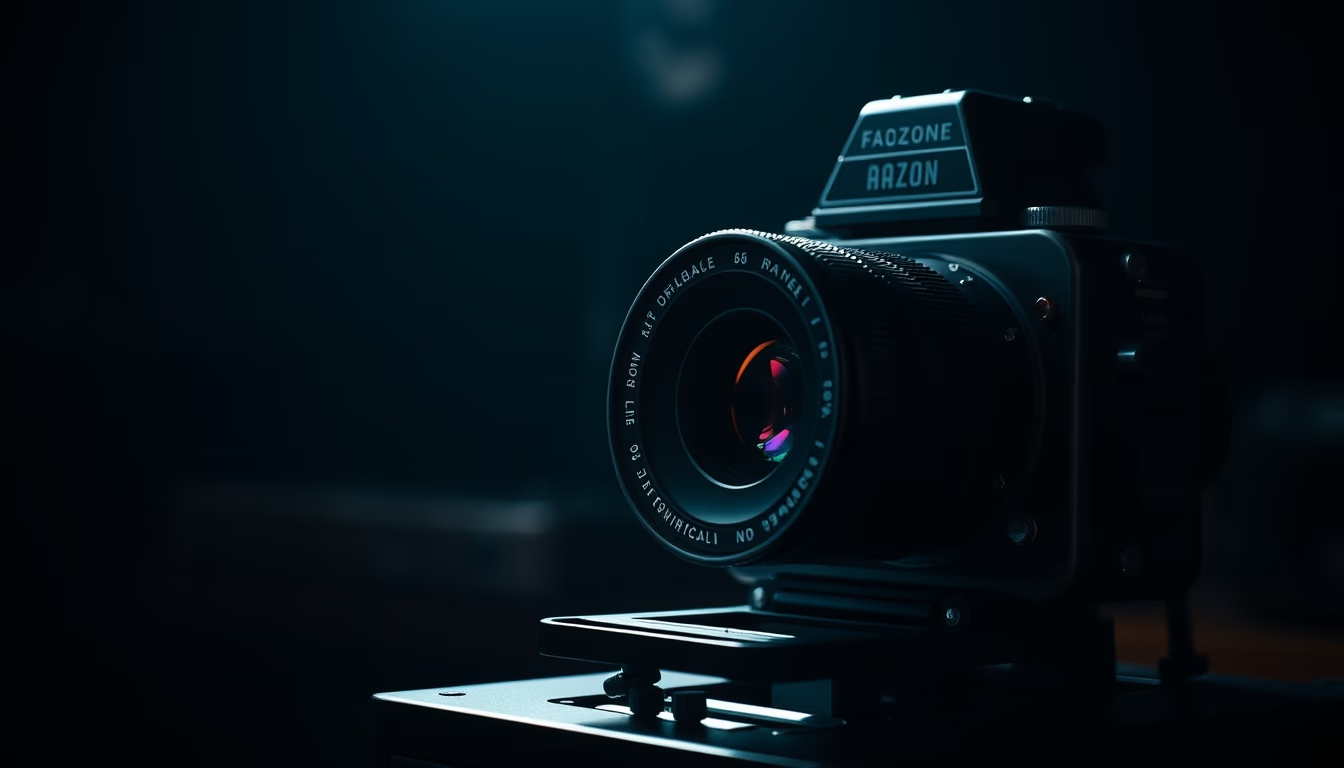
The bellows of a large format camera are articulated structures connecting front and rear standards, enabling precise movements for perspective and focus control.
About this subject
The bellows are an essential component of large format cameras, such as view cameras used in fine art and technical photography. They consist of a flexible material, usually leather or coated fabric, folded in an accordion shape that prevents light leaks while allowing the camera standards to move. These movements include shift, tilt, swing, and rise/fall, fundamental for applying the Scheimpflug principle to adjust the plane of focus without changing aperture.
Historically, the first bellows cameras appeared in the 19th century, evolving from wooden models with waxed cloth to more sophisticated designs in leather and synthetics. Brands like Sinar, Linhof, and Deardorff popularized interchangeable bellows, enabling different extensions for lenses of various focal lengths. Bellows maintenance is crucial: tears or light leaks compromise exposure, requiring replacement or repair with materials like neoprene.
In fine art photography, bellows allow creative control over depth of field and perspective, correcting convergences in architectural photos or creating shift-plane effects. Despite digital advances, large format cameras with bellows are still used by artists and conservationists for image quality and unique movements. Interestingly, the term "bellows" derives from Old English for blacksmith's bellows, due to the expanding and contracting shape.
Frequently Asked Questions
What are camera bellows?
They are accordion-like flexible structures connecting the front and rear standards of large format cameras, allowing movements such as tilt and shift without light leaks.
How do bellows movements work in photography?
The bellows allow the front and rear standards to move independently, adjusting the focus plane and perspective. This is used to control depth of field and correct geometric distortions.
How to maintain bellows on an old camera?
Avoid prolonged sun exposure and humidity. Regularly inspect for tears or light leaks. Clean with a dry cloth and avoid chemicals. If damaged, consult a restoration specialist.
Direct URL
https://pub-c7d6a6ea828543ac903a74a341ccb2e1.r2.dev/imagens/view-camera-bellows-fine-art-photography-fresh12.avifHow to credit
Include a visible link back to UtilizAí. Copy one of the snippets below:
<a href="https://xn--utiliza-eza.com/en/midia/imagens/view-camera-bellows-fine-art-photography-fresh12">View camera bellows</a> by <a href="https://xn--utiliza-eza.com">UtilizAí</a>, licensed under <a href="https://creativecommons.org/licenses/by/4.0/">CC BY 4.0</a>.
[View camera bellows](https://xn--utiliza-eza.com/en/midia/imagens/view-camera-bellows-fine-art-photography-fresh12) by [UtilizAí](https://xn--utiliza-eza.com), CC BY 4.0
License: CC-BY-4.0