Ukulele hawaiian wood
1344×768 · AVIF · CC BY 4.0
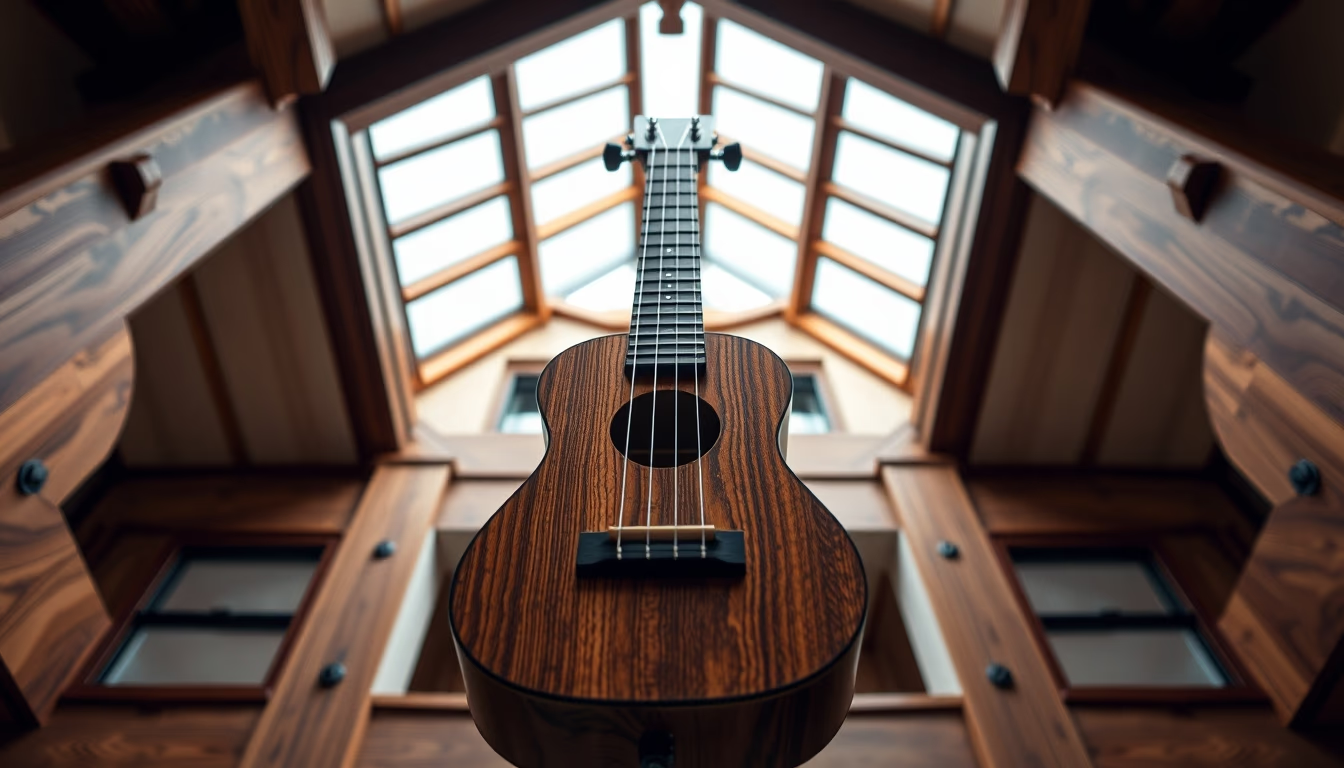
The ukulele made with Hawaiian wood, such as koa, is a symbol of Hawaiian musical culture, known for its sweet tone and traditional craftsmanship.
About this subject
The ukulele is a plucked string instrument originating in Hawaii, inspired by the Portuguese machete brought by Madeiran immigrants in the 19th century. The most traditional Hawaiian wood for its construction is koa (Acacia koa), a native tree of the islands, prized for its beauty, durability, and acoustic resonance. Using koa gives the ukulele a warm, balanced tone highly valued by local and international musicians.
Production of Hawaiian wood ukuleles follows a handcrafted process respecting centuries-old techniques. Koa is harvested sustainably, as the tree is protected by environmental laws. Each piece of wood has unique grain patterns ranging from light brown to golden, gaining a richer patina over time. Hawaiian luthiers such as Kamaka and KoAloha are world references in making instruments with this wood.
Culturally, the ukulele is present in every aspect of Hawaiian life, from folk music to contemporary performances. Artists like Israel Kamakawiwo'ole and Jake Shimabukuro popularized the instrument globally. A Hawaiian wood ukulele is not just an instrument but a piece of cultural heritage that connects the player to the history and nature of the islands.
Frequently Asked Questions
What makes koa wood special for ukuleles?
Koa is a native Hawaiian wood known for its acoustic resonance, durability, and unique grain patterns. It produces a warm, balanced tone highly prized in high-quality ukuleles.
Why is the ukulele so important in Hawaiian culture?
The ukulele is a musical symbol of Hawaii, present from the monarchy era to modern times. It represents local cultural identity and was immortalized by artists like Israel Kamakawiwo'ole.
What is the difference between a Hawaiian wood ukulele and one made of other materials?
Hawaiian wood ukuleles, especially koa, have a richer, more resonant tone and greater aesthetic and historical value. Models made of other woods or laminates may sound less full-bodied and be less durable.
Direct URL
https://pub-c7d6a6ea828543ac903a74a341ccb2e1.r2.dev/imagens/ukulele-hawaiian-wood-architectural-photography-p11.avifHow to credit
Include a visible link back to UtilizAí. Copy one of the snippets below:
<a href="https://xn--utiliza-eza.com/en/midia/imagens/ukulele-hawaiian-wood-architectural-photography-p11">Ukulele hawaiian wood</a> by <a href="https://xn--utiliza-eza.com">UtilizAí</a>, licensed under <a href="https://creativecommons.org/licenses/by/4.0/">CC BY 4.0</a>.
[Ukulele hawaiian wood](https://xn--utiliza-eza.com/en/midia/imagens/ukulele-hawaiian-wood-architectural-photography-p11) by [UtilizAí](https://xn--utiliza-eza.com), CC BY 4.0
License: CC-BY-4.0