Tuscany chianti hills
1344×768 · AVIF · CC BY 4.0
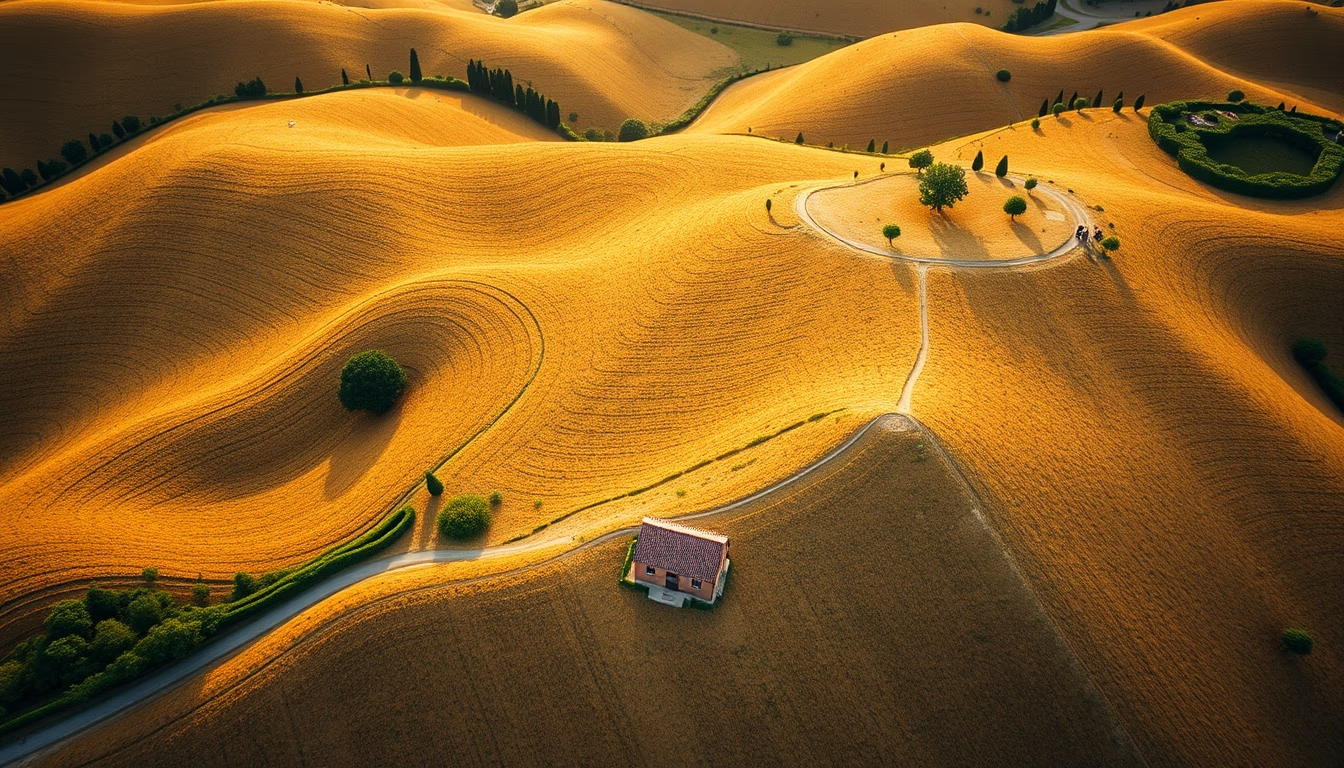
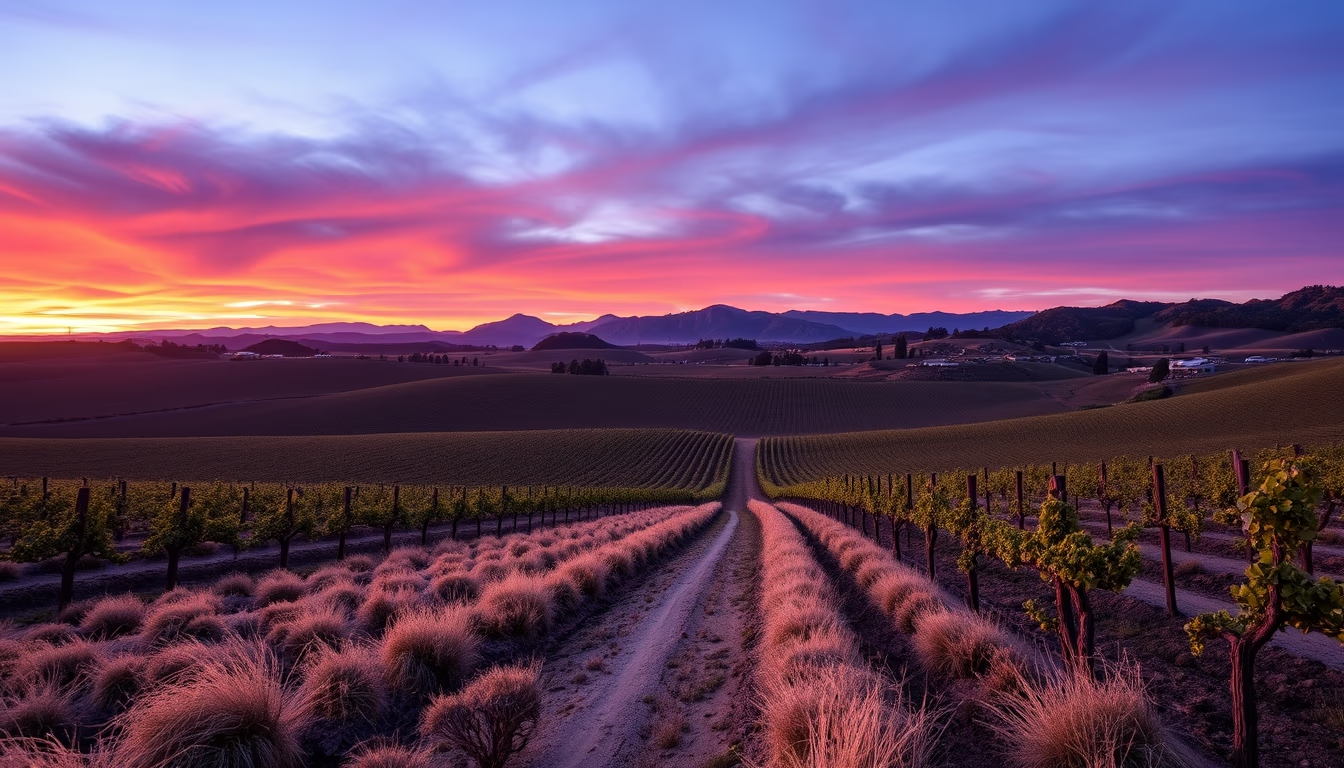
Os vinhedos ondulados de Chianti, na Toscana, produzem alguns dos vinhos mais icônicos do mundo, com história que remonta ao século XIII.
Sobre o tema
Chianti é uma região vinícola localizada nas colinas entre Florença e Siena, na Toscana central. Seu clima mediterrâneo, com invernos amenos e verões quentes e secos, combinado com solos argilosos e calcários, cria condições ideais para o cultivo da uva Sangiovese, principal variedade da denominação Chianti DOCG. A região é dividida em várias subáreas, sendo a mais famosa o Chianti Classico, que possui regulamentações mais rigorosas e um território histórico delimitado.
A produção de vinho em Chianti tem origens antigas, com evidências de cultivo de uvas pelos etruscos e romanos. No entanto, foi na Idade Média que a região começou a ganhar renome, especialmente após a formação da Liga de Chianti no século XIII, que adotou o Gallo Negro (Galo Negro) como símbolo. Esse emblema ainda hoje é usado pelos produtores de Chianti Classico para garantir autenticidade e qualidade. A região passou por transformações significativas no século XIX, quando o barão Bettino Ricasoli definiu a receita moderna do Chianti, baseada na Sangiovese.
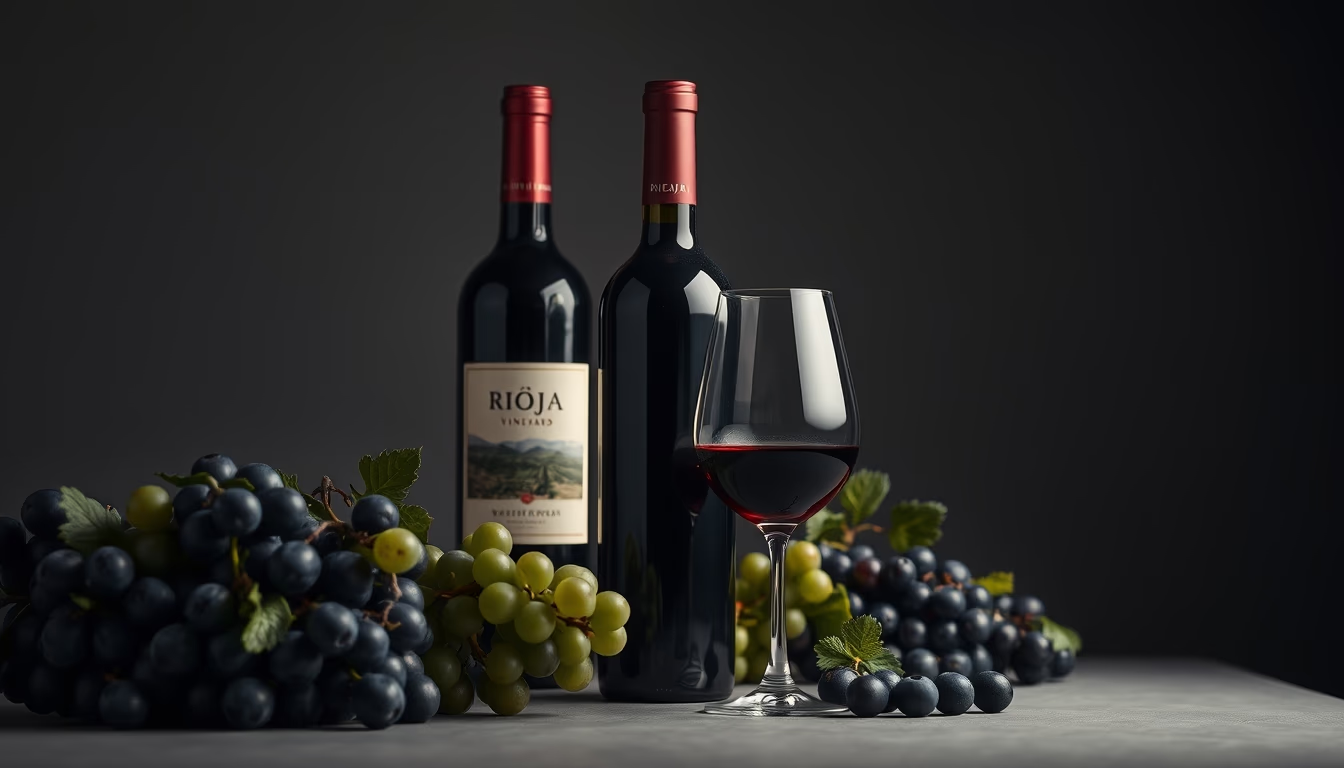
O vinho Chianti é conhecido por seu perfil aromático de cerejas, amoras e ervas, com taninos médios e acidez vibrante. Além da Sangiovese, podem ser adicionadas pequenas quantidades de Canaiolo, Colorino e, em alguns casos, uvas brancas. As sub-regiões como Chianti Rufina, Chianti Colli Senesi e Chianti Montalbano oferecem variações sutis de sabor devido às diferenças de altitude e solo. O Chianti Classico, em particular, exige um mínimo de 80% de Sangiovese e envelhecimento mínimo de 12 meses.
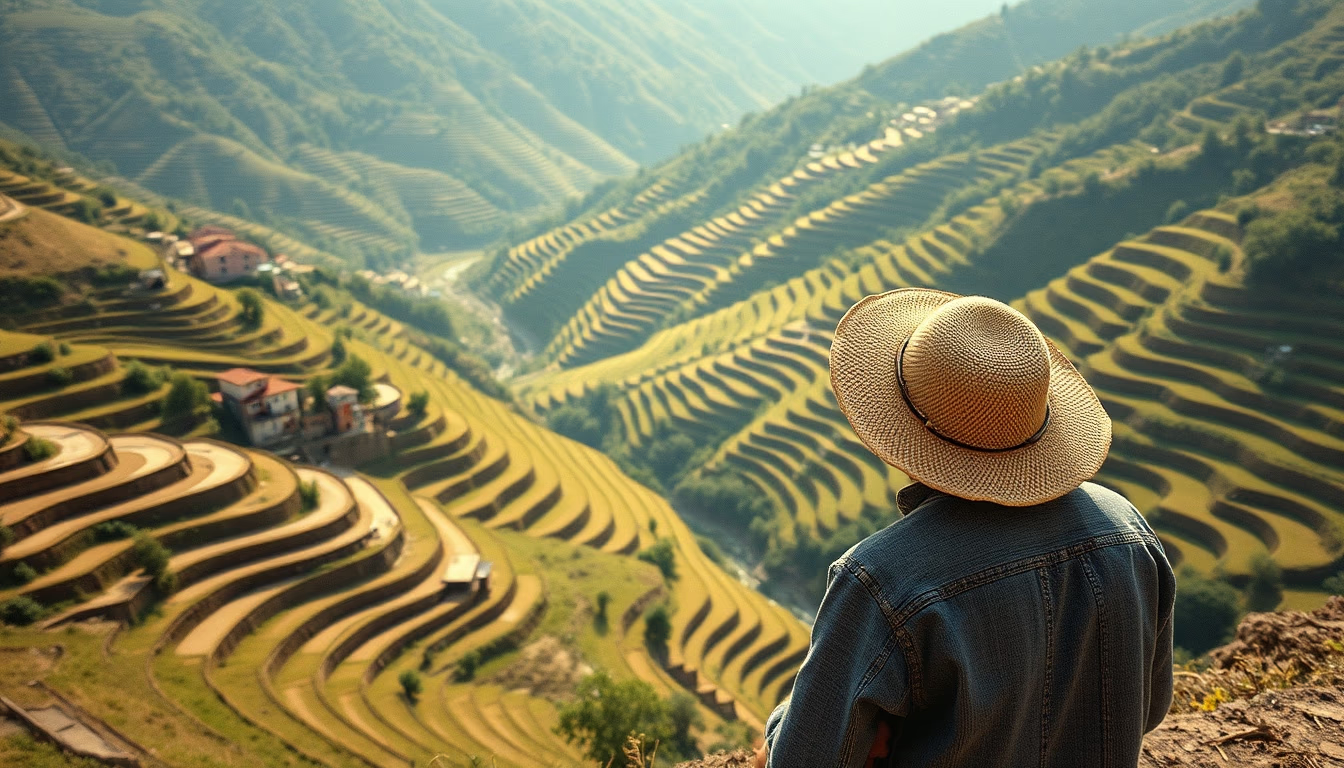
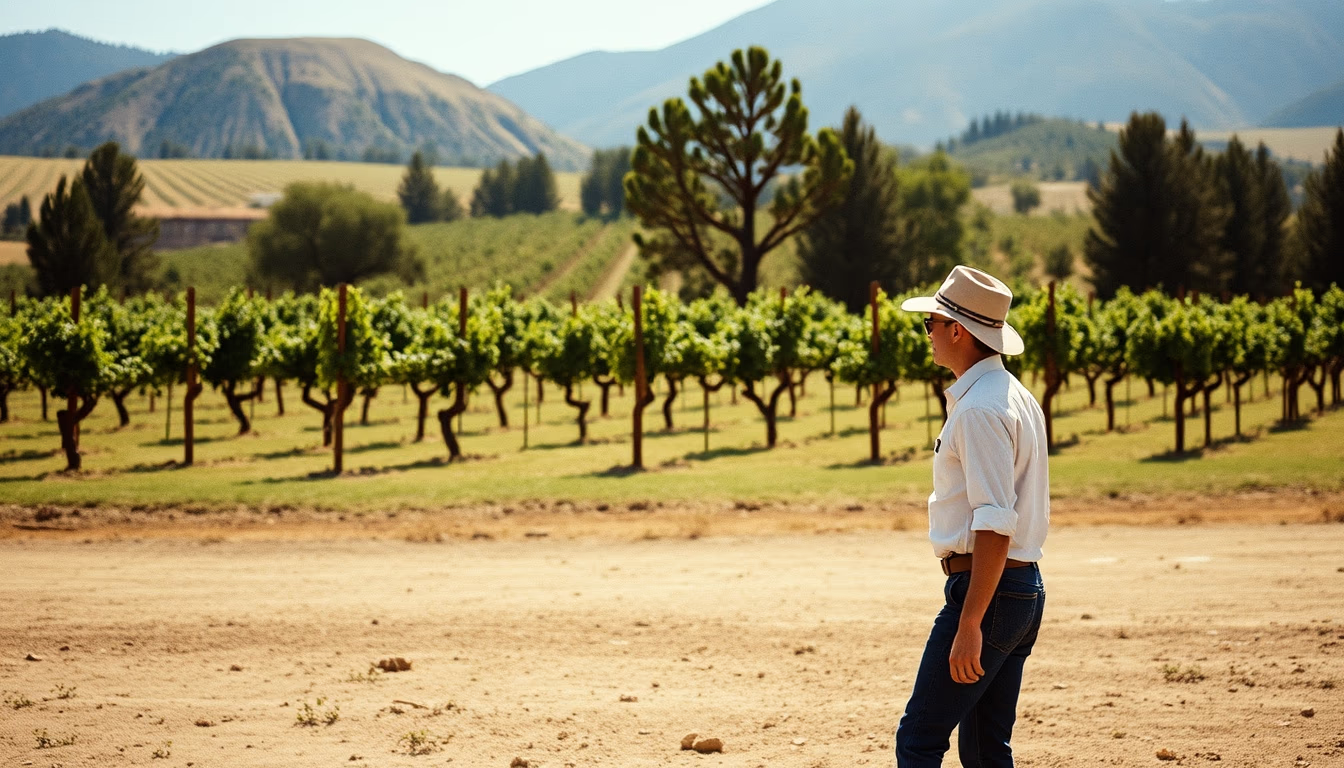
Além do vinho, Chianti é um destino turístico procurado por suas paisagens pitorescas de colinas cobertas por vinhedos e oliveiras, pontilhadas por ciprestes e vilas medievais como Greve, Radda e Castellina. A região oferece roteiros de enoturismo com degustações, visitas a cantinas e harmonizações com a culinária local, como massas, queijos pecorino e carnes grelhadas. Economicamente, o vinho Chianti representa uma fatia significativa da produção vinícola italiana, com exportações para todo o mundo, contribuindo para a imagem da Toscana como berço do bom viver.
Perguntas frequentes
Qual é a uva principal do vinho Chianti?
A uva principal do Chianti é a Sangiovese, que deve representar pelo menos 70% da composição (80% no Chianti Classico). Ela confere notas de cereja, amora e ervas, com acidez marcante.
O que significa o selo Gallo Negro (Galo Negro) nos rótulos de Chianti?
O Gallo Negro é o símbolo histórico do Chianti Classico, originado na Liga de Chianti do século XIII. Sua presença no rótulo indica que o vinho foi produzido na zona delimitada e segue regras mais rigorosas de qualidade.
Qual a diferença entre Chianti e Chianti Classico?
Chianti Classico é uma sub-região mais antiga e restrita dentro da denominação Chianti DOCG. Exige maior porcentagem de Sangiovese (80% vs 70%), envelhecimento mínimo de 12 meses, e tem regras de produção mais severas, resultando em vinhos geralmente mais encorpados e complexos.
URL direta
https://pub-c7d6a6ea828543ac903a74a341ccb2e1.r2.dev/imagens/tuscany-chianti-hills-isometric-flat-lay-fresh2.avifComo creditar
Inclua um link visível de volta pro UtilizAí. Copie um dos snippets abaixo:
<a href="https://xn--utiliza-eza.com/midia/imagens/tuscany-chianti-hills-isometric-flat-lay-fresh2">Tuscany chianti hills</a> by <a href="https://xn--utiliza-eza.com">UtilizAí</a>, licensed under <a href="https://creativecommons.org/licenses/by/4.0/">CC BY 4.0</a>.
[Tuscany chianti hills](https://xn--utiliza-eza.com/midia/imagens/tuscany-chianti-hills-isometric-flat-lay-fresh2) by [UtilizAí](https://xn--utiliza-eza.com), CC BY 4.0
Licença: CC-BY-4.0