Bordeaux chateau vineyards
1344×768 · AVIF · CC BY 4.0
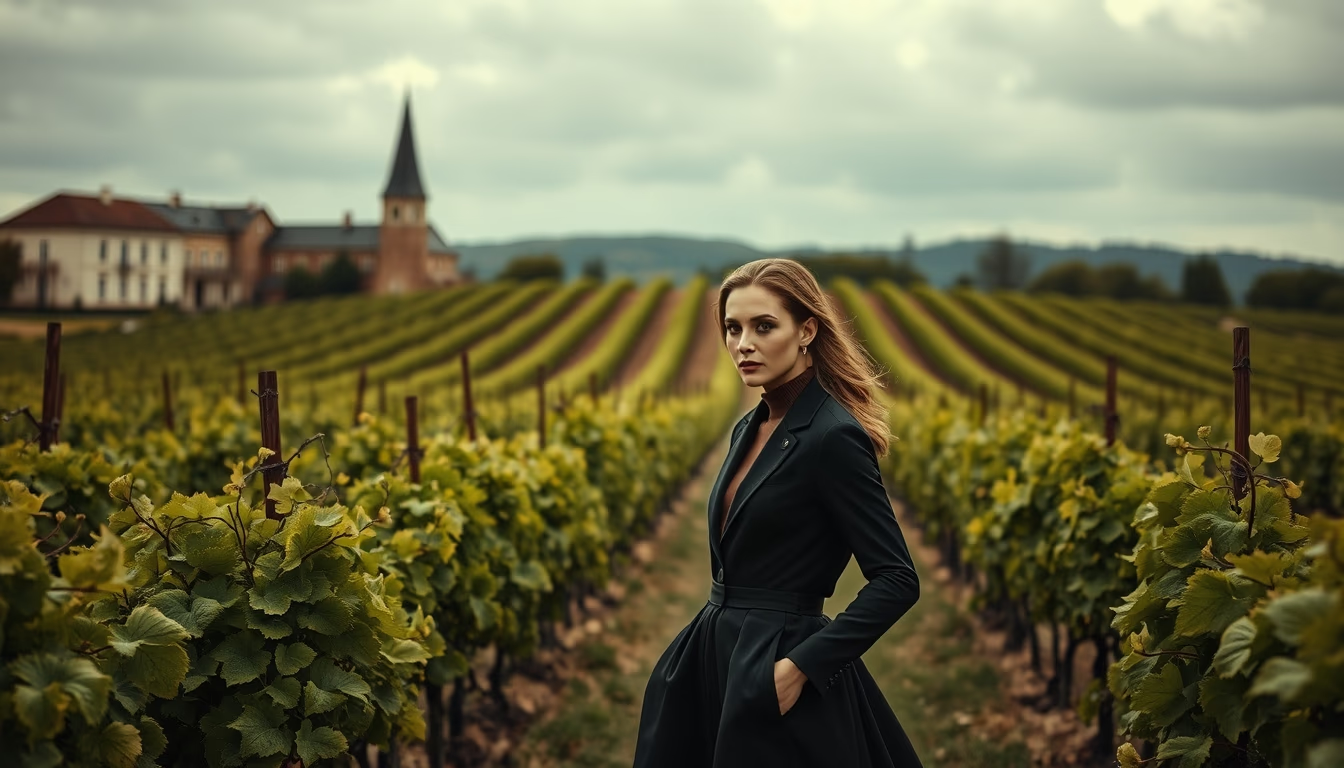
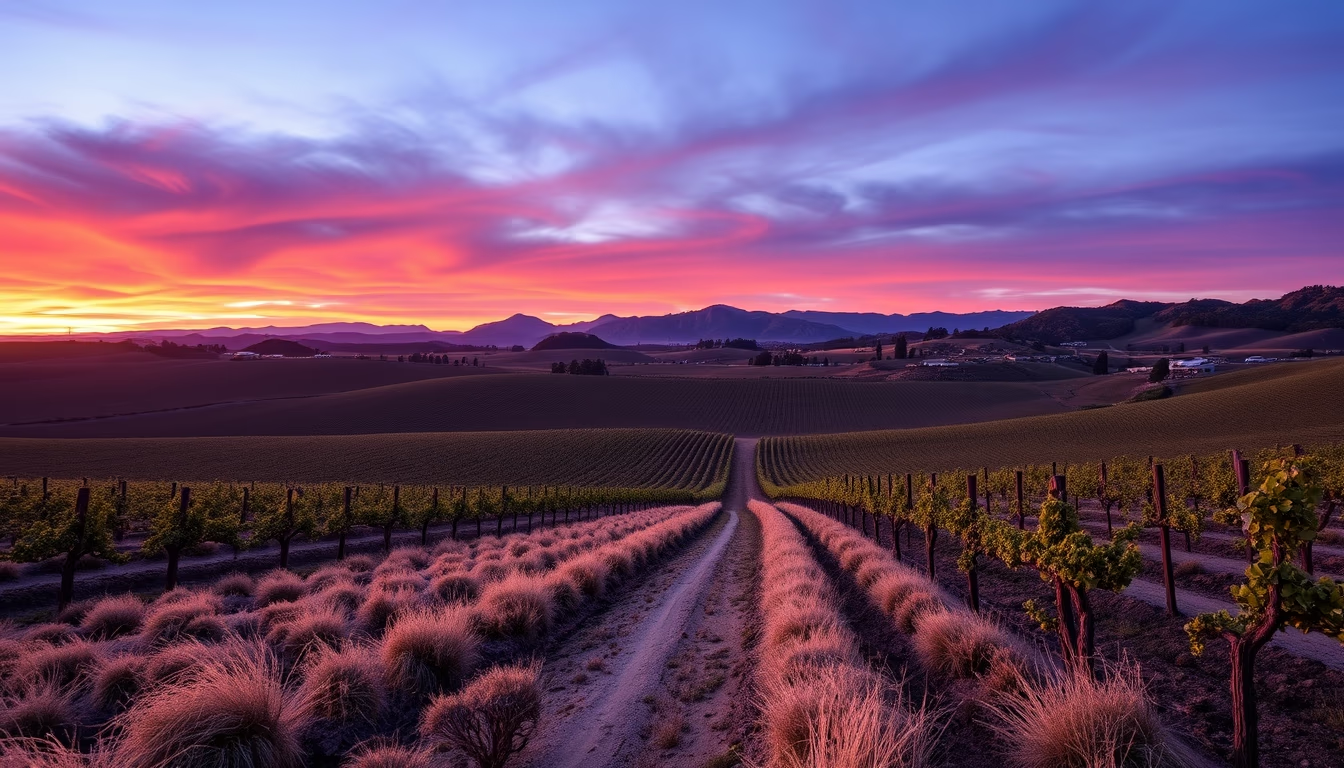
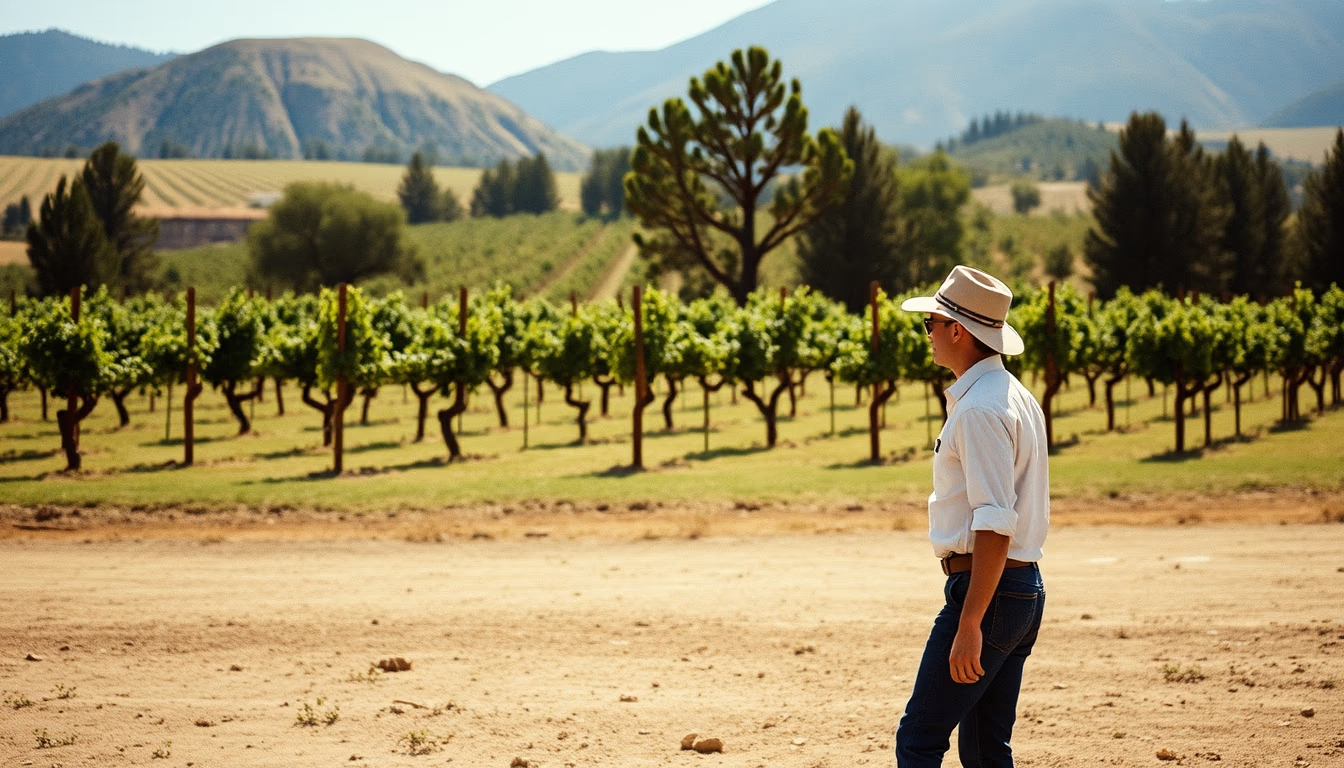
The vineyards of Bordeaux chateaux represent the pinnacle of French viticulture, with centuries of tradition and strict classifications.
About this subject
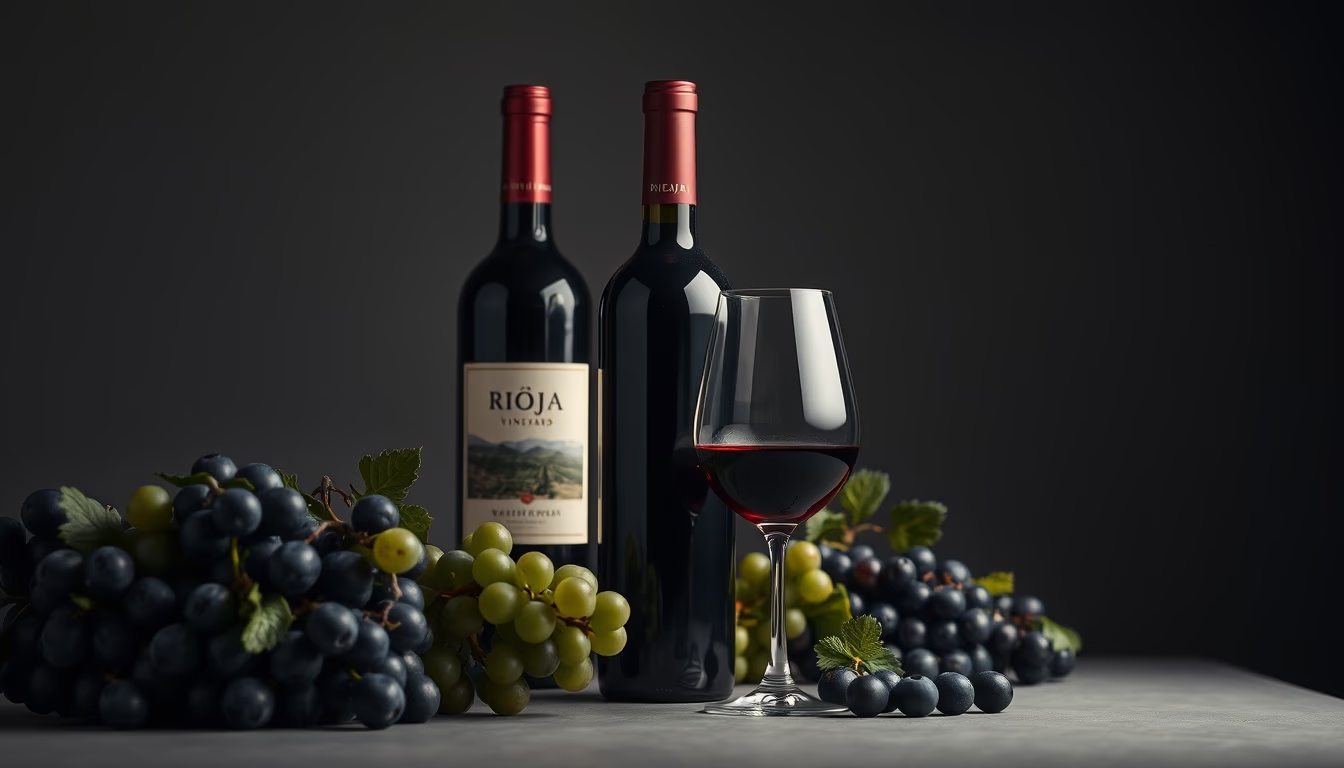
The Bordeaux wine region in southwestern France is home to some of the world's most prestigious vineyards. Known for its chateaux, historic estates that produce high-quality wines, the area stretches along the Garonne and Dordogne rivers, with diverse soils including gravel, limestone, and clay. The moderate oceanic climate, influenced by the Bay of Biscay, provides ideal conditions for growing red grapes like Cabernet Sauvignon, Merlot, and Cabernet Franc, as well as white varieties such as Sauvignon Blanc and Sémillon.
The official 1855 classification, commissioned by Napoleon III for the Paris Universal Exhibition, established a hierarchy of Bordeaux chateaux based on reputation and price. This classification, with few changes, still stands and ranks producers into five levels, from Premier Cru (first growth) to Cinquième Cru. Chateaux like Lafite Rothschild, Margaux, Latour, and Haut-Brion are legendary names dominating the fine wine market. In addition to reds, Bordeaux also produces sweet white wines from Sauternes, such as the famous Château d'Yquem.
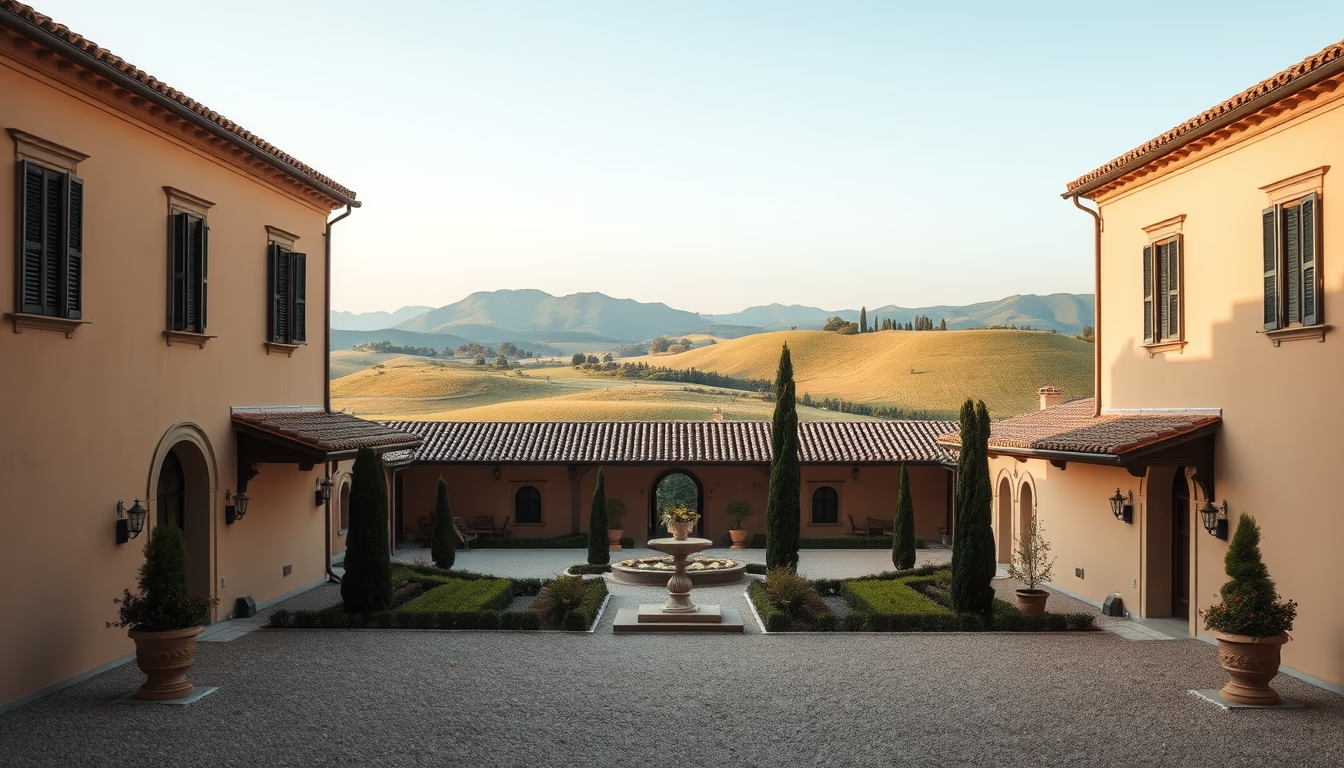
Chateau culture goes beyond wine production: many properties are historic castles or mansions open to visitors for tastings and wine tourism. The region is divided into sub-regions like Médoc, Graves, Saint-Émilion, and Pomerol, each with distinct soil and microclimate characteristics. The practice of assemblage (blending different grape varieties) is a hallmark of Bordeaux wines, allowing complexity and balance. Despite its prestige, the region faces challenges from climate change and vine diseases, leading to innovations in sustainable viticulture.
Interestingly, the 1855 classification only included red wines from Médoc and one white (Haut-Brion), leaving out other sub-regions like Saint-Émilion, which only created its own classification in 1958. Today, Bordeaux produces about 700 million bottles per year, making it one of the most monitored and regulated wine regions in the world, with controlled appellations of origin (AOC) ensuring authenticity and quality.
Frequently Asked Questions
What is the 1855 classification of Bordeaux wines?
The 1855 classification is a hierarchical system that ranked the best Bordeaux chateaux into five levels (Crus) based on reputation and price at the time. It is still used as a quality reference, though criticized for excluding some sub-regions.
What are the main grape varieties grown in Bordeaux?
The main red grapes are Cabernet Sauvignon, Merlot, and Cabernet Franc. For whites, Sauvignon Blanc, Sémillon, and Muscadelle are prominent. Merlot dominates the right bank (Saint-Émilion, Pomerol), while Cabernet Sauvignon leads on the left bank (Médoc, Graves).
Why are Bordeaux wines so expensive?
High prices result from unique terroir, centuries-old tradition, limited production, prestigious classification, and global demand. Premier Cru chateaux can cost thousands of dollars per bottle, especially in exceptional vintages.
Direct URL
https://pub-c7d6a6ea828543ac903a74a341ccb2e1.r2.dev/imagens/bordeaux-chateau-vineyards-high-fashion-editorial-fresh17.avifHow to credit
Include a visible link back to UtilizAí. Copy one of the snippets below:
<a href="https://xn--utiliza-eza.com/en/midia/imagens/bordeaux-chateau-vineyards-high-fashion-editorial-fresh17">Bordeaux chateau vineyards</a> by <a href="https://xn--utiliza-eza.com">UtilizAí</a>, licensed under <a href="https://creativecommons.org/licenses/by/4.0/">CC BY 4.0</a>.
[Bordeaux chateau vineyards](https://xn--utiliza-eza.com/en/midia/imagens/bordeaux-chateau-vineyards-high-fashion-editorial-fresh17) by [UtilizAí](https://xn--utiliza-eza.com), CC BY 4.0
License: CC-BY-4.0