Tuscany chianti hills
1344×768 · AVIF · CC BY 4.0

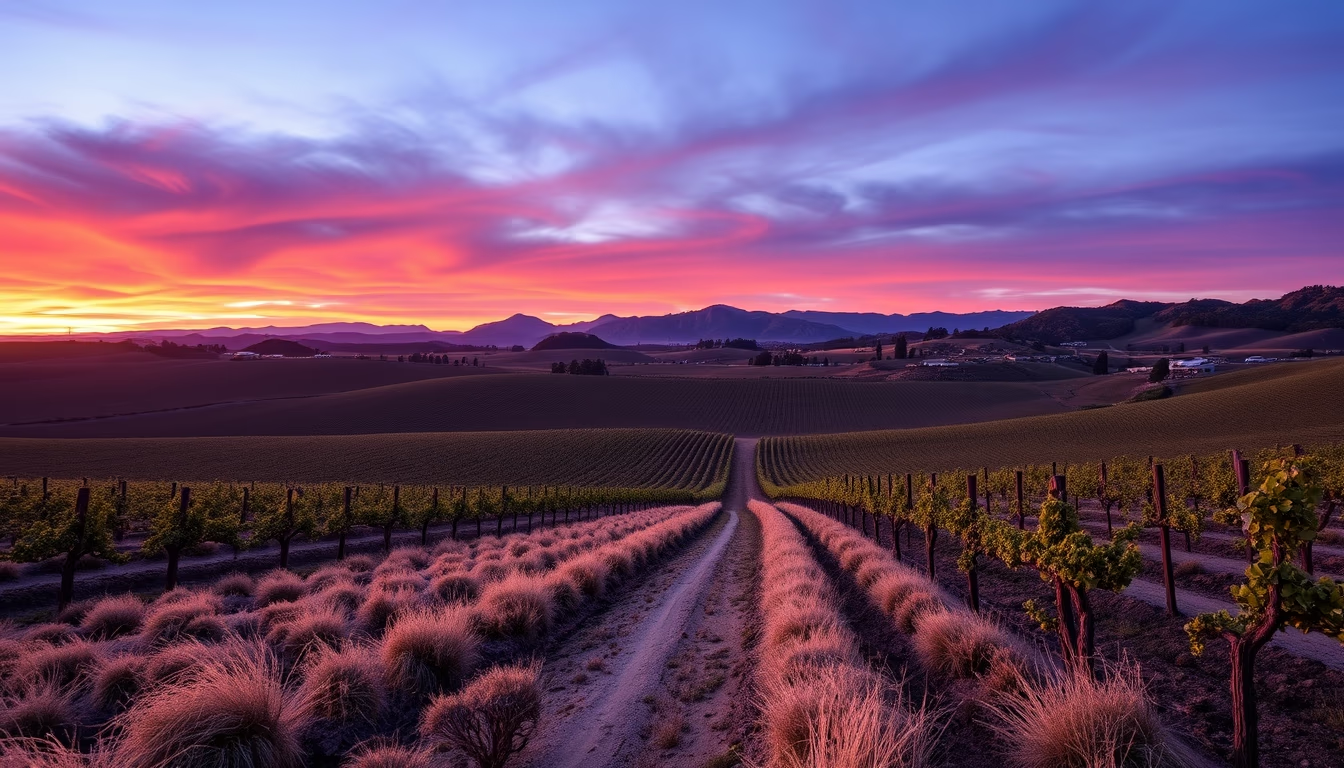
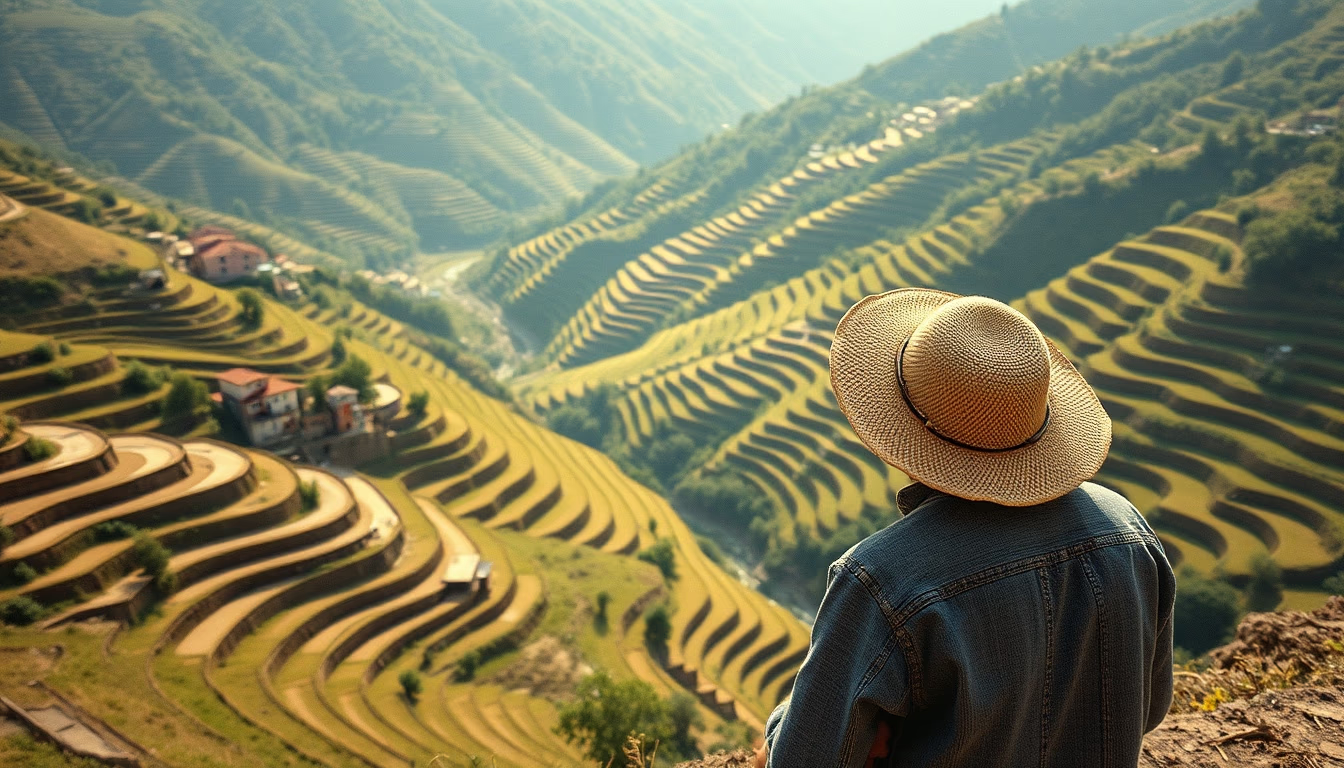
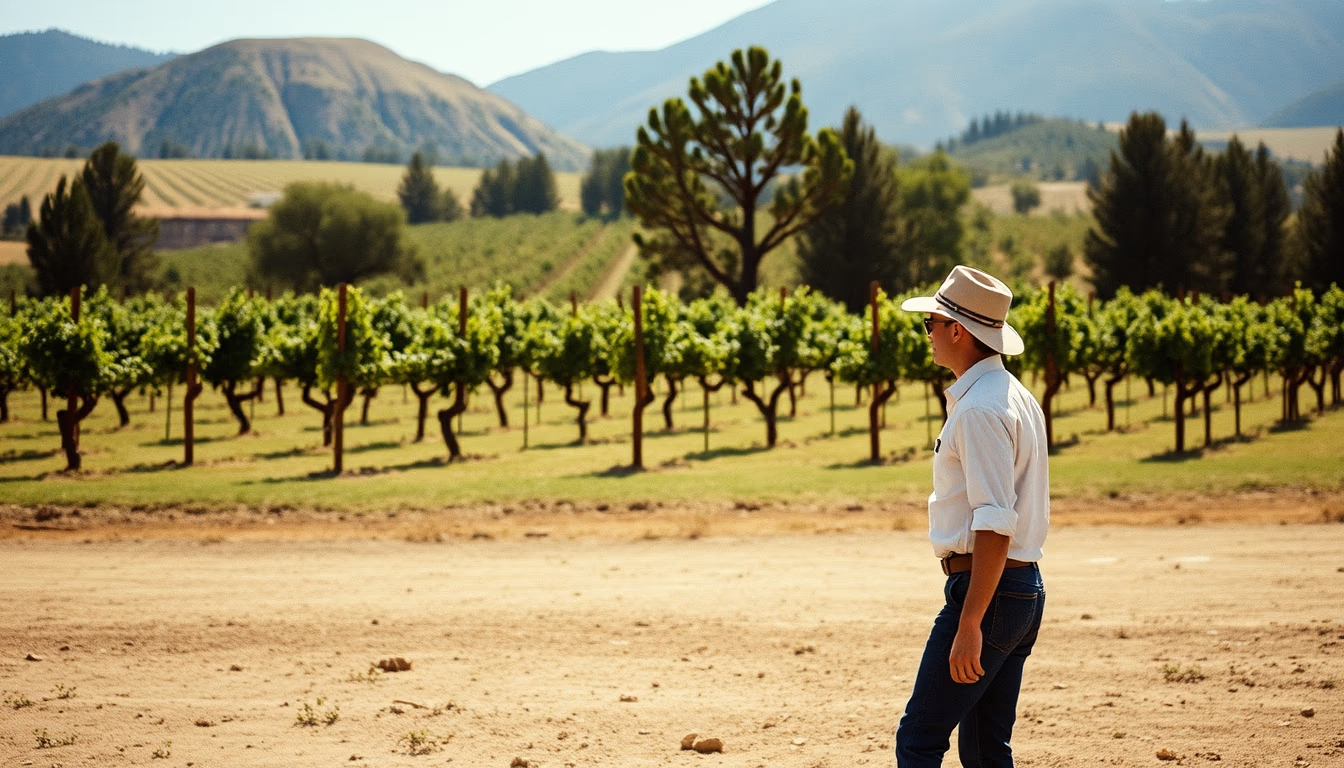
Colinas de Chianti na Toscana, berço do vinho Chianti e paisagem icônica do cultivo de uvas Sangiovese.
Sobre o tema
As colinas de Chianti estão situadas entre Florença e Siena, na região central da Toscana, Itália. Esta área é mundialmente reconhecida por sua produção de vinhos tintos encorpados, especialmente o Chianti Classico, feito predominantemente com a uva Sangiovese. A paisagem é composta por colinas suaves cobertas de vinhedos, oliveiras e bosques de ciprestes, intercaladas por castelos medievais e pequenas vilas como Greve in Chianti e Radda in Chianti. O clima mediterrâneo, com verões quentes e invernos amenos, combinado com solos argilo-calcários, proporciona condições ideais para o cultivo da Sangiovese.
O vinho Chianti possui uma longa história, que remonta à época etrusca, mas foi no século XIII que a região começou a ser delimitada para a produção vinícola. Em 1716, o Grão-Duque da Toscana, Cosimo III de' Medici, emitiu um decreto oficial que definiu os limites da região de Chianti, sendo uma das primeiras denominações de origem do mundo. Atualmente, a região é regulamentada pelas denominações DOCG (Denominação de Origem Controlada e Garantida). O selo do Gallo Nero (Galo Negro), emitido pelo Consórcio do Vinho Chianti Classico, identifica os produtores que seguem rigorosos padrões de qualidade.
Além do vinho, as colinas de Chianti são um destino turístico popular, oferecendo roteiros de enoturismo, degustações e visitas a adegas históricas. A região também é famosa por sua culinária, com pratos como a ribollita e a bistecca alla fiorentina, que harmonizam perfeitamente com os vinhos locais. A paisagem das colinas de Chianti é frequentemente retratada em filmes e pinturas, simbolizando o estilo de vida toscano e a tradição vinícola centenária.
Perguntas frequentes
Quais uvas compõem o vinho Chianti?
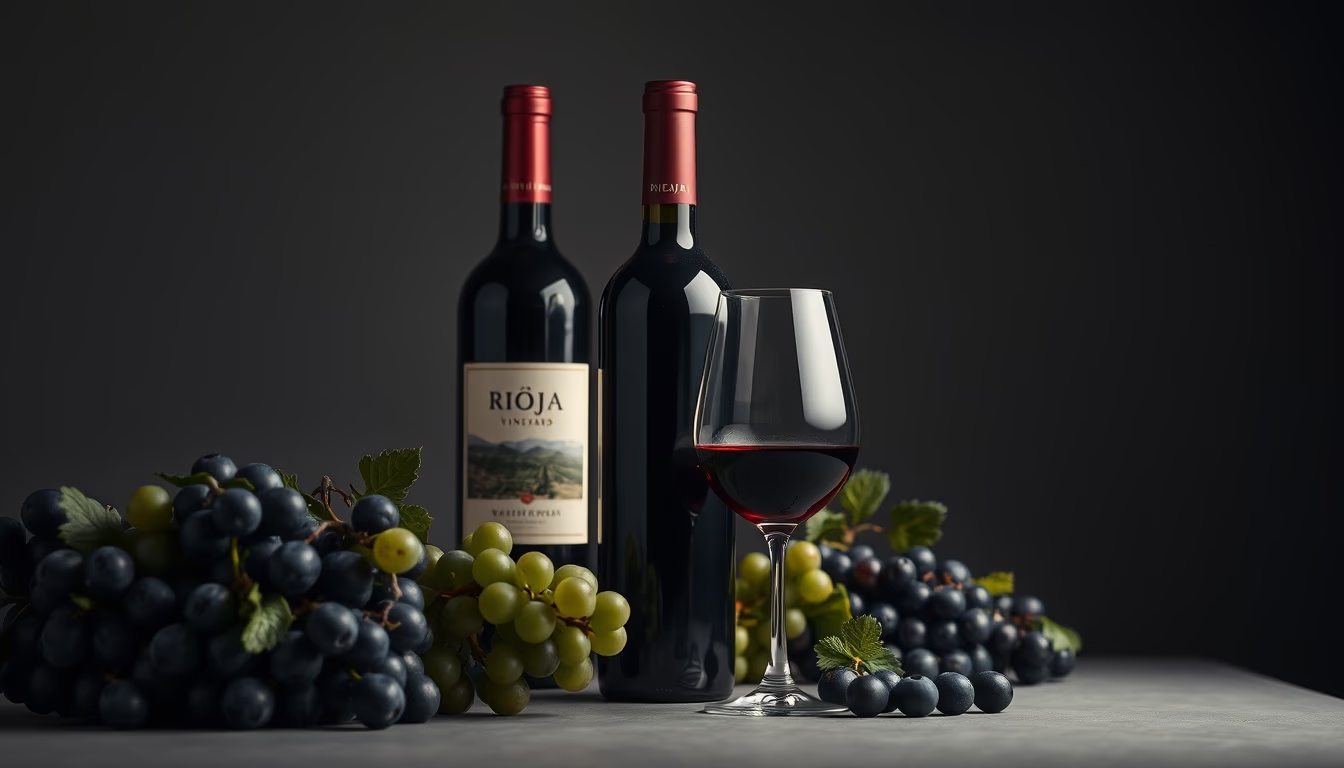
O vinho Chianti é produzido principalmente com a uva Sangiovese (mínimo 80% para Chianti Classico), podendo conter outras variedades como Canaiolo, Colorino e uvas internacionais em menor proporção.
O que significa o selo Gallo Nero?
O selo Gallo Nero (Galo Negro) é o símbolo do Consórcio do Vinho Chianti Classico, indicando que o vinho foi produzido dentro da zona histórica de Chianti e atende a rigorosos padrões de qualidade, incluindo um período mínimo de envelhecimento.
Qual a importância histórica da região de Chianti?
A região de Chianti foi uma das primeiras áreas vinícolas do mundo a ter seus limites oficialmente definidos, por decreto do Grão-Duque Cosimo III em 1716, estabelecendo um precursor das modernas denominações de origem controlada.
URL direta
https://pub-c7d6a6ea828543ac903a74a341ccb2e1.r2.dev/imagens/tuscany-chianti-hills-high-fashion-editorial-fresh16.avifComo creditar
Inclua um link visível de volta pro UtilizAí. Copie um dos snippets abaixo:
<a href="https://xn--utiliza-eza.com/midia/imagens/tuscany-chianti-hills-high-fashion-editorial-fresh16">Tuscany chianti hills</a> by <a href="https://xn--utiliza-eza.com">UtilizAí</a>, licensed under <a href="https://creativecommons.org/licenses/by/4.0/">CC BY 4.0</a>.
[Tuscany chianti hills](https://xn--utiliza-eza.com/midia/imagens/tuscany-chianti-hills-high-fashion-editorial-fresh16) by [UtilizAí](https://xn--utiliza-eza.com), CC BY 4.0
Licença: CC-BY-4.0