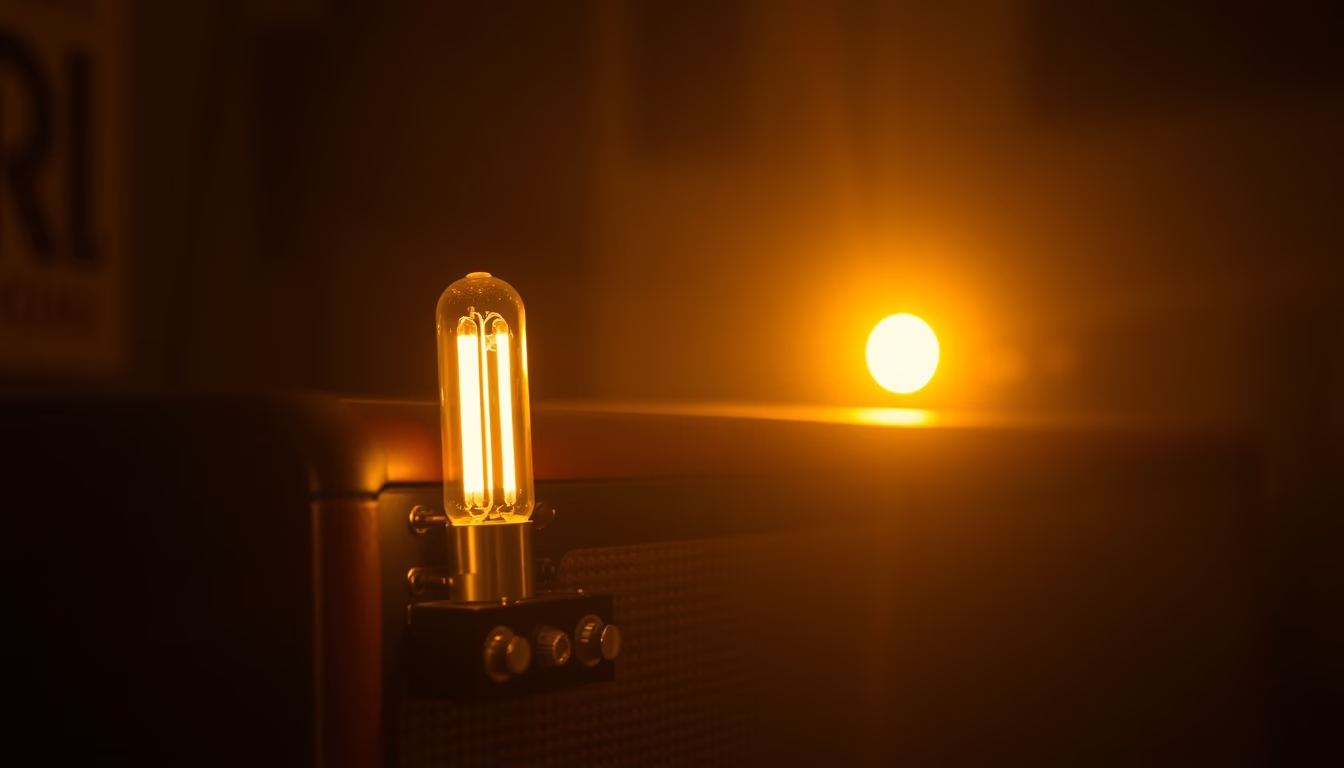
Tube amplifier glowing
1344×768 · AVIF · CC BY 4.0
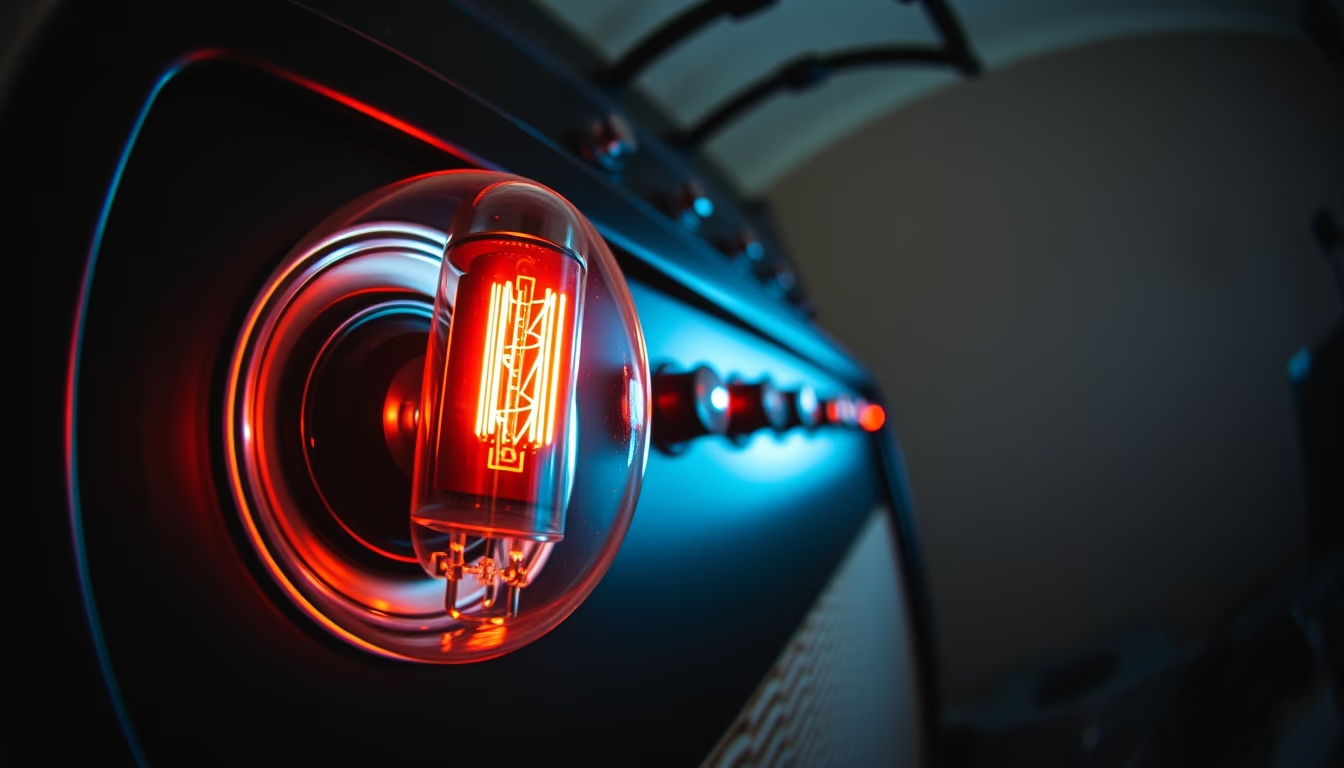
Tube amplifiers use thermionic valves to amplify audio signals, producing a characteristic warm sound, and the tubes emit an orange glow during operation.
About this subject
Tube amplifiers, also known as valve amplifiers, are electronic devices that use thermionic valves (vacuum tubes) to increase the amplitude of audio signals. This type of amplifier dominated the first half of the 20th century, being used in radios, record players, and early sound systems. With the advent of transistors in the 1960s, tube amplifiers fell out of favor in most applications but maintained a strong presence in professional audio and the high-fidelity (hi-fi) niche, as well as being essential in electric guitar amplifiers.
The main sonic characteristic of tube amplifiers is the so-called "valve warmth," a smooth, pleasing harmonic distortion that occurs especially at higher volumes. This happens because tubes, when overdriven, saturate gradually and not abruptly like transistors. Common audio tubes include the 12AX7 (pre-amp), EL84, and EL34 (power tubes), each with distinct gain and frequency response properties. The orange glow emitted by the tubes results from the heating of the tungsten filament, which reaches temperatures between 800 °C and 1000 °C, exciting electrons that flow through the internal vacuum.
Today, tube amplifiers are highly valued by audiophiles and musicians, forming the core of iconic gear like the Fender Twin Reverb or Marshall JCM800 guitar amplifiers. In the hi-fi market, brands such as McIntosh, Audio Research, and Luxman produce models that combine classic construction with modern engineering. Maintenance costs are higher due to the limited lifespan of tubes (about 1,000 to 5,000 hours) and the need for bias adjustment. Nonetheless, the sonic and aesthetic appeal keeps tube amplifiers as icons of analog audio.
Frequently Asked Questions
What is a tube amplifier?
A tube amplifier uses vacuum tubes (thermionic valves) to amplify audio signals, known for producing a warmer, more natural sound compared to solid-state amplifiers.
Why do tubes glow?
The orange glow comes from the filament inside the tube, which is heated to high temperatures (around 800, 1000 °C) to release electrons via thermionic emission, essential for the amplifier's operation.
Are tube amplifiers better than solid-state ones?
They are not objectively better, but offer a distinct sound with smooth harmonic distortion, preferred by many musicians and audiophiles. Transistors are more efficient, durable, and lightweight, while tubes have a more organic and dynamic sound.
Direct URL
https://pub-c7d6a6ea828543ac903a74a341ccb2e1.r2.dev/imagens/tube-amplifier-glowing-fish-eye-wide-angle-fresh14.avifHow to credit
Include a visible link back to UtilizAí. Copy one of the snippets below:
<a href="https://xn--utiliza-eza.com/en/midia/imagens/tube-amplifier-glowing-fish-eye-wide-angle-fresh14">Tube amplifier glowing</a> by <a href="https://xn--utiliza-eza.com">UtilizAí</a>, licensed under <a href="https://creativecommons.org/licenses/by/4.0/">CC BY 4.0</a>.
[Tube amplifier glowing](https://xn--utiliza-eza.com/en/midia/imagens/tube-amplifier-glowing-fish-eye-wide-angle-fresh14) by [UtilizAí](https://xn--utiliza-eza.com), CC BY 4.0
License: CC-BY-4.0