Trumpet golden detail
1344×768 · AVIF · CC BY 4.0

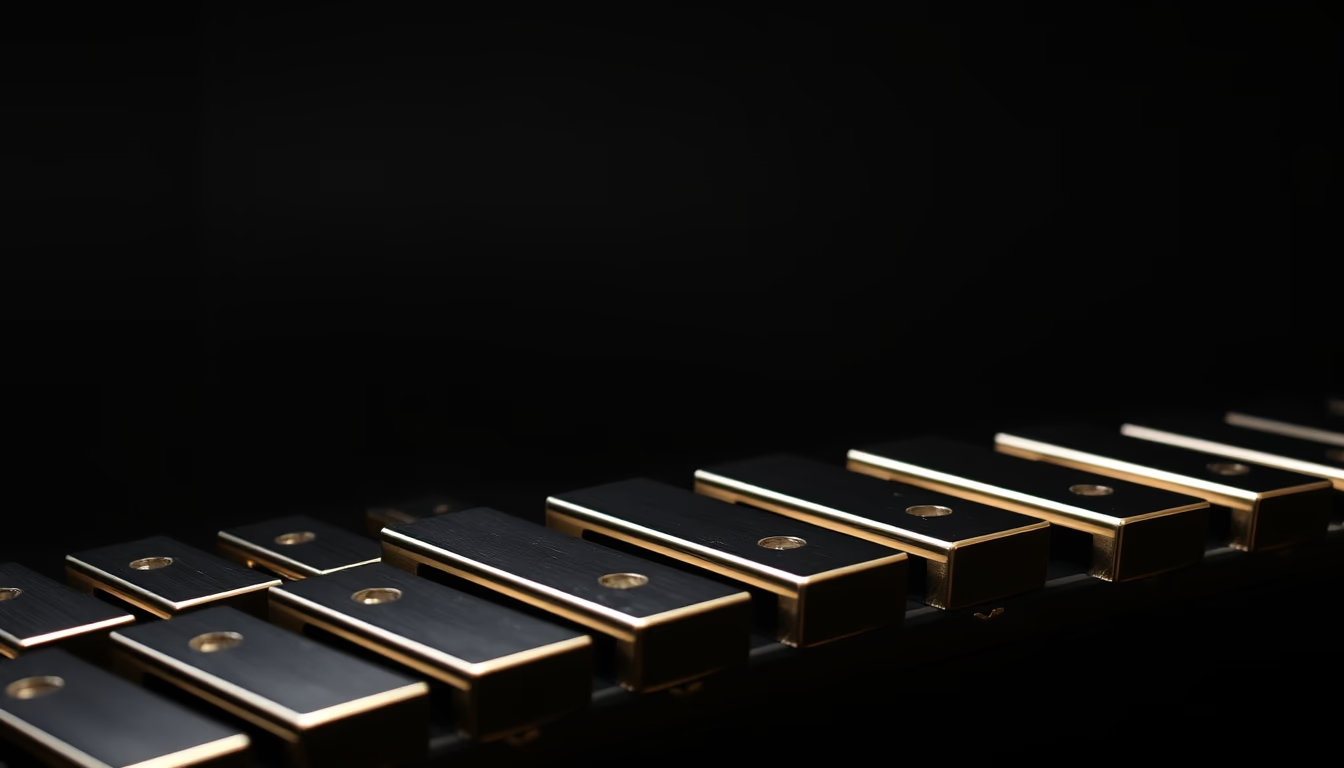
Golden details of a trumpet reveal the artisanal precision and metallic luster that define this iconic brass instrument.
About this subject
The trumpet is one of the oldest and most versatile musical instruments, with origins dating back to ancient civilizations such as Egypt and Rome. Its modern version, featuring valves (pistons), was developed in the 19th century, enabling chromatic playing and expanding its use in classical music, jazz, and bands. The golden detail, usually achieved by gold plating over brass, is not merely aesthetic: the gold layer protects the metal from oxidation and can subtly influence the timbre, giving a brighter, fuller sound.
In artisanal manufacturing, craftsmen spend hours polishing and applying the gold bath, which requires perfectly smooth surfaces. The process involves sanding, degreasing, and immersion in a gold cyanide solution, followed by electrodeposition. High-end trumpets, such as those from brands like Bach or Yamaha, may receive 24-karat gold finishes, turning each instrument into a unique piece of musical jewelry.
Golden trumpets are often associated with jazz soloists like Dizzy Gillespie and Miles Davis, who used gold-accented instruments to make visual and sonic statements. In symphony orchestras, the trumpet's shine draws attention during fanfares and heroic passages. Besides gold, other finishes include silver and lacquered brass, each with distinct sonic and aesthetic characteristics.
Culturally, the trumpet symbolizes celebration, announcement, and virtuosity. Its metallic sound is recognizable in styles ranging from maracatu to gospel, pop, and rock. Maintaining the golden detail requires special care: cleaning with a soft cloth and non-abrasive products to avoid scratches, preserving the instrument's beauty and value across generations.
Frequently Asked Questions
Does gold plating on a trumpet change the sound?
Yes, subtly. Gold is denser than brass, resulting in a slightly brighter, fuller timbre and greater projection. Professional musicians often choose this finish for featured solos.
How to clean a gold trumpet without damaging it?
Use a dry or slightly damp microfiber cloth. Avoid chemicals, steel wool, or abrasive pads that can scratch the gold. After playing, wipe off sweat with a dry cloth to prevent corrosion.
Why do some trumpets have gold details and others don't?
Gold finish is a choice of aesthetics and function. Musicians seeking a brighter tone or better oxidation protection opt for gold. Silver trumpets sound even brighter, while lacquered brass offers a mellower tone and is more affordable.
Direct URL
https://pub-c7d6a6ea828543ac903a74a341ccb2e1.r2.dev/imagens/trumpet-golden-detail-travel-photography-p0.avifHow to credit
Include a visible link back to UtilizAí. Copy one of the snippets below:
<a href="https://xn--utiliza-eza.com/en/midia/imagens/trumpet-golden-detail-travel-photography-p0">Trumpet golden detail</a> by <a href="https://xn--utiliza-eza.com">UtilizAí</a>, licensed under <a href="https://creativecommons.org/licenses/by/4.0/">CC BY 4.0</a>.
[Trumpet golden detail](https://xn--utiliza-eza.com/en/midia/imagens/trumpet-golden-detail-travel-photography-p0) by [UtilizAí](https://xn--utiliza-eza.com), CC BY 4.0
License: CC-BY-4.0