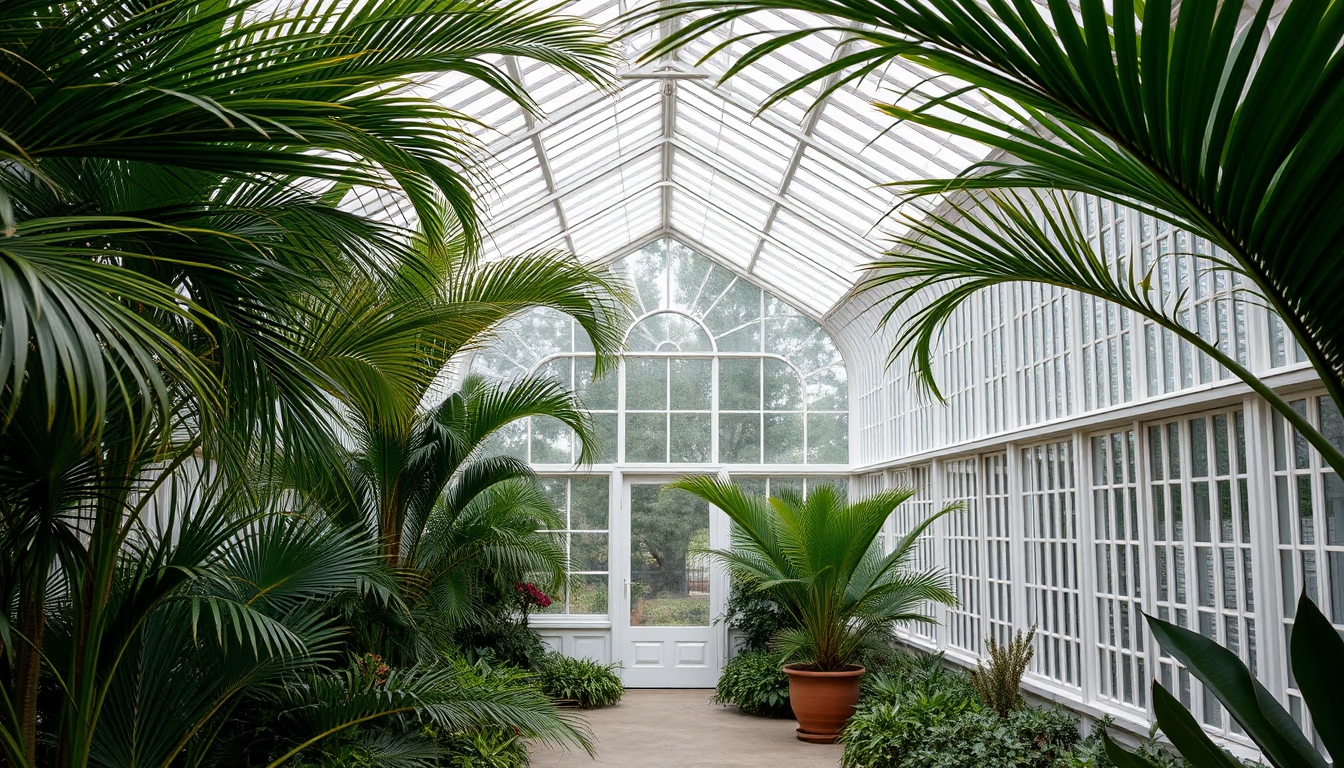
Tropical greenhouse misty
1344×768 · AVIF · CC BY 4.0
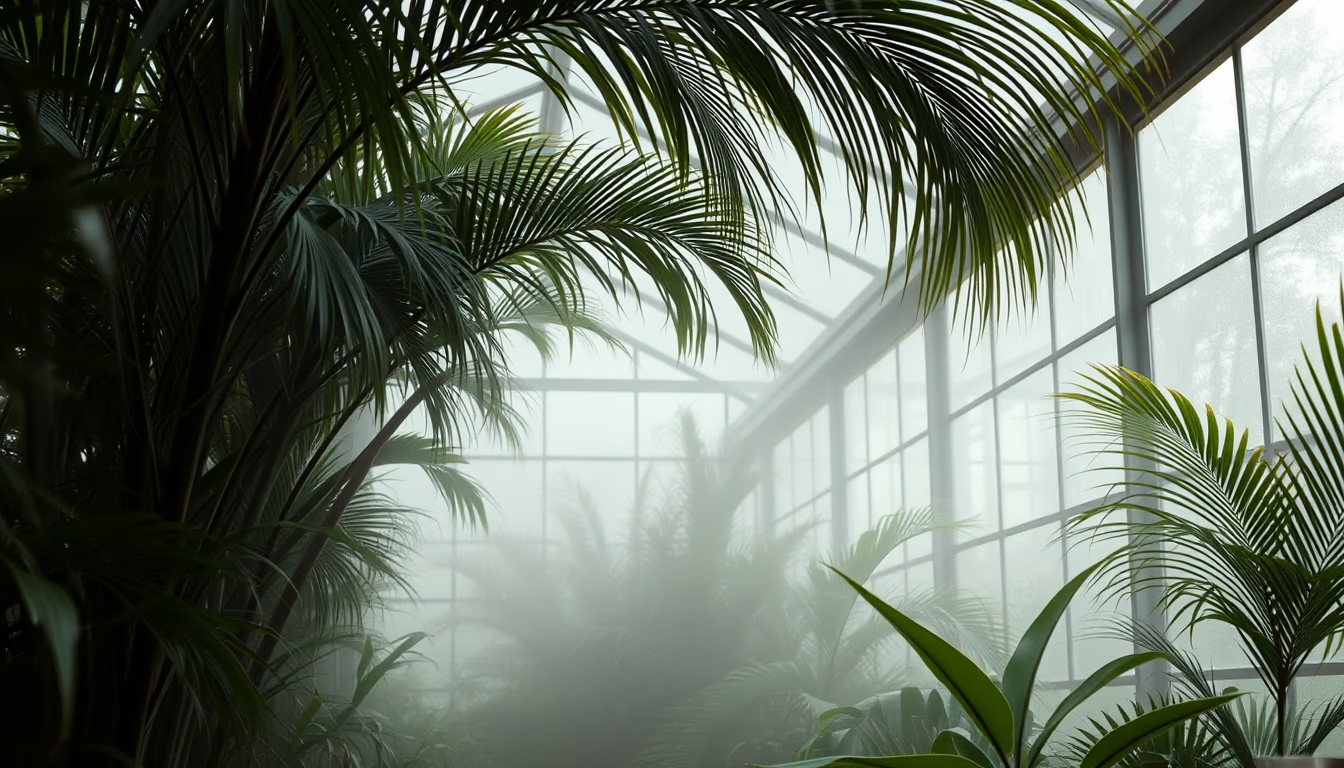
Tropical greenhouses use misting systems to maintain high humidity and ideal temperatures for cultivating exotic plants.
About this subject
A tropical greenhouse is a controlled environment designed to replicate the conditions of humid rainforests. These structures are essential in horticulture for growing species that require high relative humidity, often between 70% and 90%, and stable temperatures between 20°C and 30°C. The misting system is a key component: it sprays fine water droplets that evaporate quickly, cooling the air and raising humidity without waterlogging the soil.
In Brazil, tropical greenhouses are common in botanical gardens, such as the Rio de Janeiro Botanical Garden, and in commercial nurseries producing orchids, bromeliads, and ferns. Misting also helps reduce plant transpiration, preventing water stress. Precision can be achieved with humidity sensors and timers, creating cycles that mimic morning dew in forests.
Interestingly, misting techniques originate from Dutch greenhouse agriculture but have been adapted for tropical climates. Studies show that constant humidity from mist can increase photosynthesis rates by up to 30% in certain species, like heliconias. Moreover, the moist environment reduces pests like spider mites, which prefer dry conditions.
Maintaining a tropical greenhouse requires careful ventilation to prevent fungi. Modern systems combine exhaust fans and shade curtains to balance light and humidity. For hobbyist horticulturists, DIY misting kits allow creating ideal microclimates in small spaces.
Frequently Asked Questions
What is the ideal humidity in a tropical greenhouse?
Relative humidity ideally ranges from 70% to 90%, depending on the plants. Orchids and ferns prefer higher levels, while tropical succulents can tolerate slightly lower humidity.
Can misting replace watering the soil?
No, not completely. Misting increases air humidity and reduces watering needs, but the soil must still be irrigated periodically to provide water to roots. It is a complement, not a substitute.
Which plants benefit most from a tropical greenhouse?
Epiphytic plants like orchids and bromeliads, as well as ferns, mosses, and heliconias, thrive in this environment. Many species from Brazil's Atlantic Forest also adapt well.
Direct URL
https://pub-c7d6a6ea828543ac903a74a341ccb2e1.r2.dev/imagens/tropical-greenhouse-misty-minimalist-composition-fresh0.avifHow to credit
Include a visible link back to UtilizAí. Copy one of the snippets below:
<a href="https://xn--utiliza-eza.com/en/midia/imagens/tropical-greenhouse-misty-minimalist-composition-fresh0">Tropical greenhouse misty</a> by <a href="https://xn--utiliza-eza.com">UtilizAí</a>, licensed under <a href="https://creativecommons.org/licenses/by/4.0/">CC BY 4.0</a>.
[Tropical greenhouse misty](https://xn--utiliza-eza.com/en/midia/imagens/tropical-greenhouse-misty-minimalist-composition-fresh0) by [UtilizAí](https://xn--utiliza-eza.com), CC BY 4.0
License: CC-BY-4.0