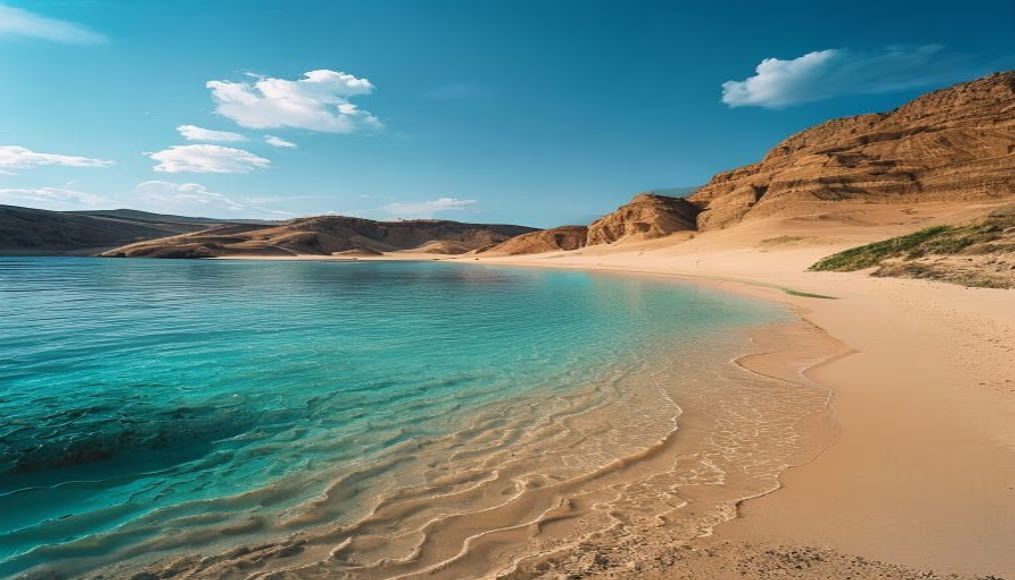
Praia tropical paradisíaca água cristalina e palmeiras
1344×768 · AVIF · CC BY 4.0
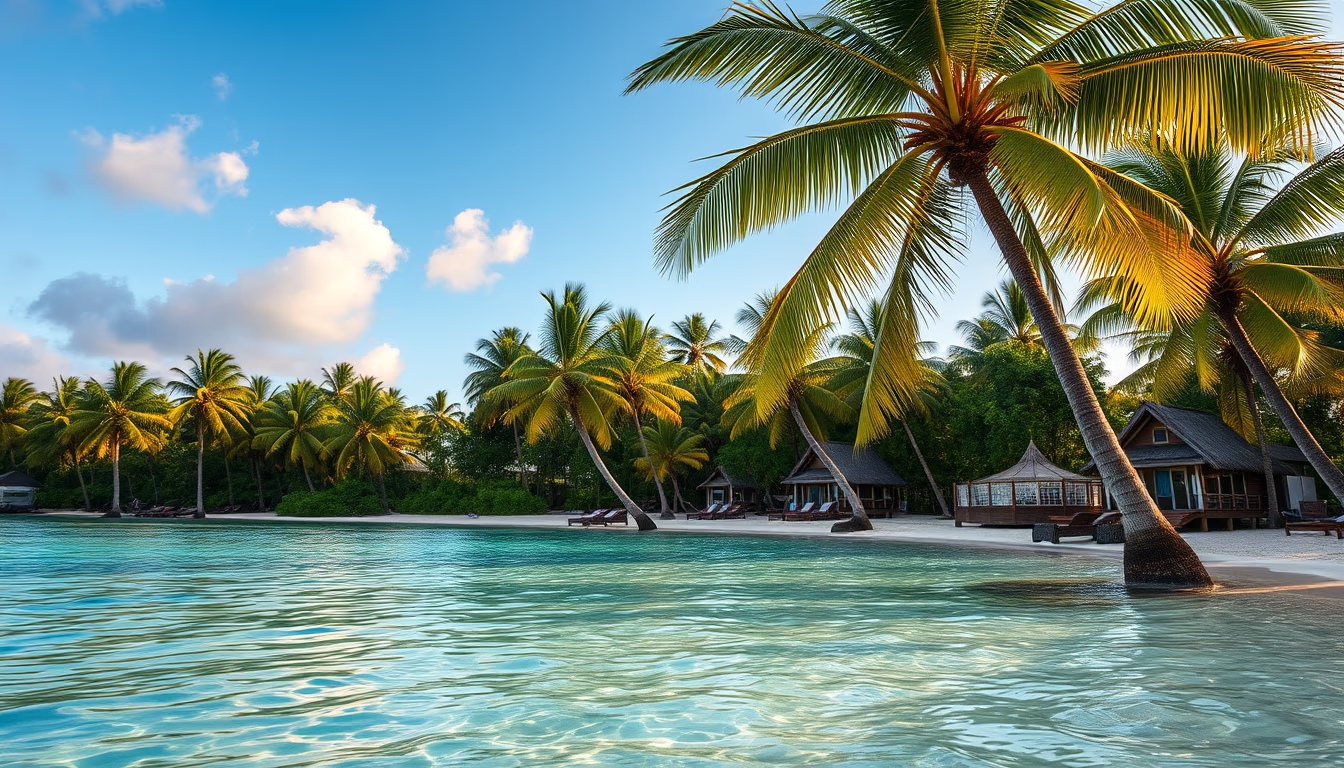
Praias tropicais com águas cristalinas e palmeiras são destinos icônicos do litoral brasileiro, especialmente no Nordeste.
Sobre o tema
O Brasil possui mais de 7.400 km de costa, repleta de praias tropicais que combinam areias brancas, águas cristalinas e coqueirais. Essas paisagens são símbolo do turismo nacional, atraindo visitantes do mundo todo. Regiões como a Costa do Descobrimento, na Bahia, e o litoral de Alagoas concentram algumas das praias mais fotografadas, como a Praia do Sancho, eleita diversas vezes a melhor praia do mundo pelo TripAdvisor. A presença das palmeiras, especialmente o coqueiro, não é apenas estética: elas desempenham papel ecológico importante, protegendo a costa da erosão e servindo de habitat para fauna local. O coqueiro (Cocos nucifera) foi introduzido no Brasil pelos portugueses no século XVI e hoje é parte indissociável da paisagem litorânea. A água cristalina resulta da baixa concentração de sedimentos e da presença de recifes de corais, comuns no Nordeste. Horários como o fim da tarde (golden hour) realçam as cores e criam um espetáculo visual, ideal para fotografia. Apesar da beleza, muitas dessas praias enfrentam desafios como urbanização desordenada e poluição, o que torna o turismo sustentável uma pauta urgente.
Perguntas frequentes
Qual a melhor época para visitar praias tropicais no Brasil?
A melhor época é entre setembro e março, quando o clima é mais seco e o sol predomina, especialmente no Nordeste. Evite os meses de abril a julho, que são mais chuvosos.
Por que as águas de algumas praias brasileiras são tão cristalinas?
A transparência da água se deve à baixa quantidade de sedimentos em suspensão e à presença de recifes de corais, que filtram partículas. Isso é comum em praias do Nordeste, como Porto de Galinhas e Maragogi.
As palmeiras nas praias são nativas do Brasil?
O coqueiro (Cocos nucifera) não é nativo; foi trazido pelos portugueses na colonização. Já outras palmeiras, como o buriti e o açaí, são nativas da região amazônica, mas não são típicas de praias.
URL direta
https://pub-c7d6a6ea828543ac903a74a341ccb2e1.r2.dev/imagens/tropical-beach-paradise-crystal-clear-water-and-palm-trees-editorial-portrait-golden-hour-late-afternoon.avifComo creditar
Inclua um link visível de volta pro UtilizAí. Copie um dos snippets abaixo:
<a href="https://xn--utiliza-eza.com/midia/imagens/tropical-beach-paradise-crystal-clear-water-and-palm-trees-editorial-portrait-golden-hour-late-afternoon">Praia tropical paradisíaca água cristalina e palmeiras</a> by <a href="https://xn--utiliza-eza.com">UtilizAí</a>, licensed under <a href="https://creativecommons.org/licenses/by/4.0/">CC BY 4.0</a>.
[Praia tropical paradisíaca água cristalina e palmeiras](https://xn--utiliza-eza.com/midia/imagens/tropical-beach-paradise-crystal-clear-water-and-palm-trees-editorial-portrait-golden-hour-late-afternoon) by [UtilizAí](https://xn--utiliza-eza.com), CC BY 4.0
Licença: CC-BY-4.0