Times square neon
1344×768 · AVIF · CC BY 4.0
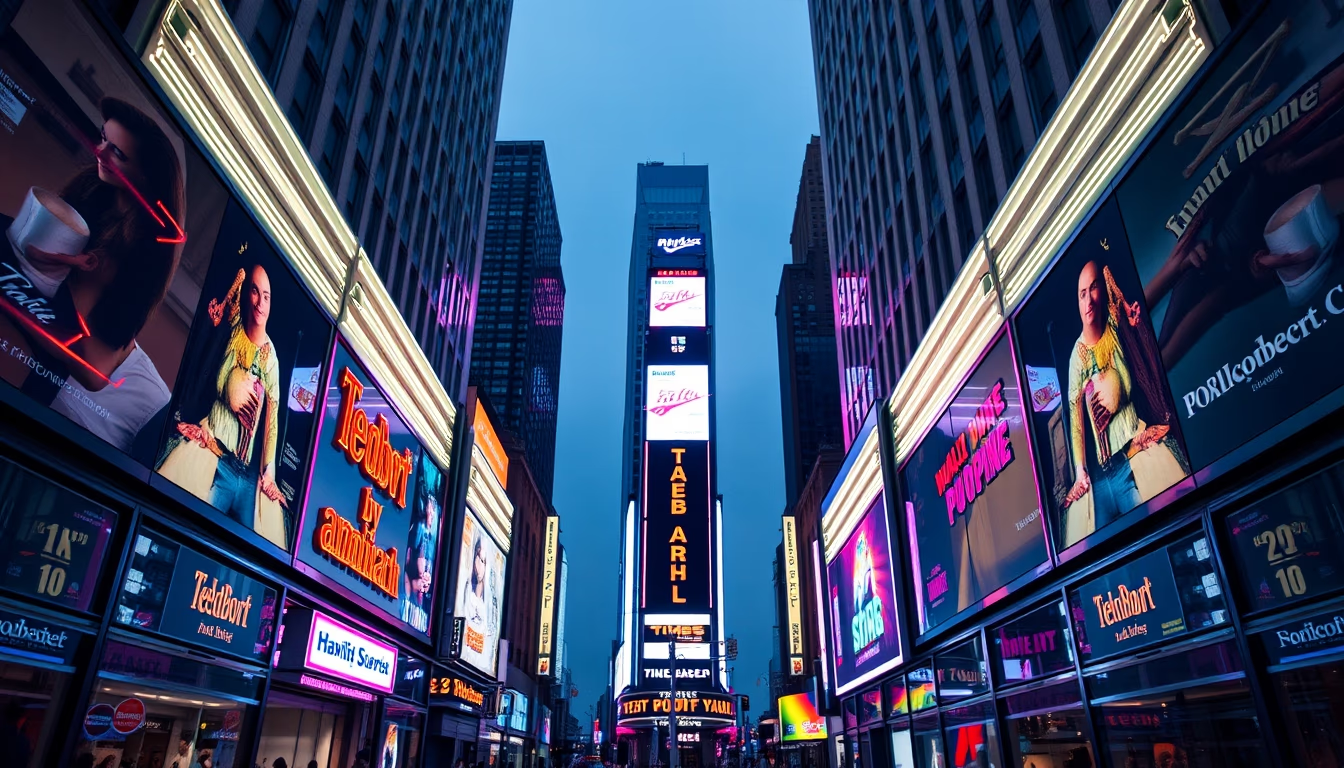
Manhattan's theater district hosts the world's largest concentration of illuminated signs, with a history dating back to the early 20th century.
About this subject
Times Square, in the heart of Manhattan, is globally known for its illuminated signs that transform the urban landscape into a continuous visual spectacle. The use of neon began in the 1920s, when the first neon gas lamps were imported from Europe to the United States. The first neon sign in Times Square was installed in 1923 for the Packard automobile brand, and it quickly became a symbol of the district. During the Great Depression, signs continued to proliferate as advertisers sought cheap ways to attract public attention.
Today, most signs use LED technology, which consumes less energy and allows complex animations. Still, the term "neon" remains associated with the location. Among the most iconic signs are the Coca-Cola billboard, installed in 1932 on the One Times Square building, and the NASDAQ MarketSite with its cylindrical LED tower. The One Times Square building, where the New Year's Eve ball drop takes place, also hosts countless illuminated advertisements that generate millions in revenue.
The density of signs in Times Square is regulated by zoning laws that require buildings to display illuminated advertisements, creating a unique visual identity. For architectural photographers, the location presents a technical challenge: capturing intense light without losing details of the historic buildings in the background. The combination of Beaux-Arts, Art Deco, and modernist architecture with the glow of the signs creates contrasts that fascinate visitors and professionals alike.
Frequently Asked Questions
When did the first neon sign appear in Times Square?
The first neon sign was installed in 1923 for the Packard brand. It stood about 6 meters tall and used glass tubes filled with neon gas, a technological novelty at the time.
How are illuminated signs made today?
Today, most signs use LEDs (light-emitting diodes), which are more efficient and durable than neon. They allow high-resolution animations and can be software-controlled to display different messages.
Why does Times Square have so many signs?
The concentration of signs is a result of New York City zoning laws, which since the 1920s have required buildings in the area to display illuminated advertisements to maintain the vibrant identity of the theater district.
Direct URL
https://pub-c7d6a6ea828543ac903a74a341ccb2e1.r2.dev/imagens/times-square-neon-architectural-photography-p11.avifHow to credit
Include a visible link back to UtilizAí. Copy one of the snippets below:
<a href="https://xn--utiliza-eza.com/en/midia/imagens/times-square-neon-architectural-photography-p11">Times square neon</a> by <a href="https://xn--utiliza-eza.com">UtilizAí</a>, licensed under <a href="https://creativecommons.org/licenses/by/4.0/">CC BY 4.0</a>.
[Times square neon](https://xn--utiliza-eza.com/en/midia/imagens/times-square-neon-architectural-photography-p11) by [UtilizAí](https://xn--utiliza-eza.com), CC BY 4.0
License: CC-BY-4.0