Thinker rodin paris
1344×768 · AVIF · CC BY 4.0
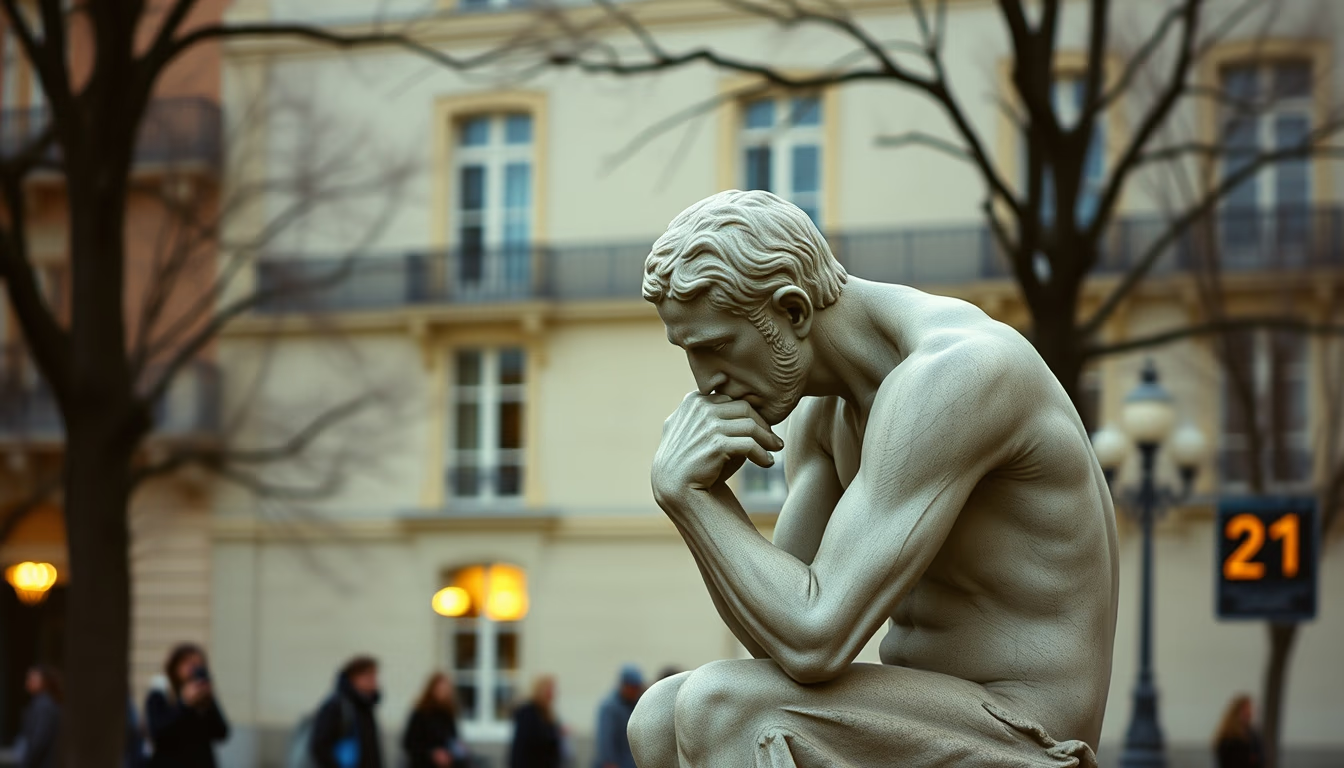
Sculpted by Auguste Rodin in 1880, The Thinker became a universal icon of introspection and philosophy.
About this subject
The Thinker is one of the most recognizable sculptures in the world, created by French artist Auguste Rodin originally as part of a larger work called "The Gates of Hell." The figure depicts a nude man sitting with his chin resting on his hand, deep in meditation. Rodin based the figure on the poet Dante Alighieri, portraying him before the gates of hell, pondering his work. The piece was first cast in bronze in 1902, and there are multiple copies in museums around the globe, including the one at the Musée Rodin in Paris, which houses the artist's most complete collection. The sculpture stands approximately 186 cm tall and weighs about 680 kg, marking a milestone in impressionist sculpture due to its striking texture and expressive posture. Rodin aimed to convey not only the act of thinking but the physical and emotional tension of the creative process.
The most iconic location of the work is in the gardens of the Musée Rodin in the 7th arrondissement of Paris, where it was installed in 1922. The original 1902 casting belongs to this collection. The Thinker quickly became a symbol of philosophy and reason, often used in academic and popular contexts as a representation of critical thinking. Over the centuries, the image has been reproduced in countless variations, appearing on book covers, political cartoons, and even internet memes. Its introspective posture inspires reflection on the human condition and the role of intellect in society.
Interestingly, Rodin faced initial criticism for his realistic and dramatic approach, which challenged the academic standards of the time. Today, The Thinker is celebrated as a masterpiece that captures the essence of modernism. The sculpture also sparked debates about copyright in the early 20th century when unauthorized copies began to circulate. To appreciate it in Paris, the Musée Rodin offers guided tours that contextualize the creation of the work within the ensemble of "The Gates of Hell," which includes other famous figures such as "The Kiss."
Frequently Asked Questions
Where is the original sculpture of Rodin's The Thinker located?
The original sculpture of The Thinker, cast in 1902, is housed at the Musée Rodin in Paris, in the museum's gardens. Replicas exist in other locations, such as the Cleveland Museum of Art and Columbia University in New York.
What is the meaning of Rodin's The Thinker?
Rodin created The Thinker as a representation of the poet Dante Alighieri meditating on his work 'The Divine Comedy.' The figure symbolizes introspection, philosophy, and the power of critical thought, becoming a universal icon of human reflection.
How many copies of The Thinker exist worldwide?
There are over 20 replicas of The Thinker scattered across museums and public spaces worldwide, including bronzes and plaster versions. The Musée Rodin authorized some posthumous casts, but the original 1902 casting is the most valuable.
Direct URL
https://pub-c7d6a6ea828543ac903a74a341ccb2e1.r2.dev/imagens/thinker-rodin-paris-lo-fi-disposable-camera-fresh4.avifHow to credit
Include a visible link back to UtilizAí. Copy one of the snippets below:
<a href="https://xn--utiliza-eza.com/en/midia/imagens/thinker-rodin-paris-lo-fi-disposable-camera-fresh4">Thinker rodin paris</a> by <a href="https://xn--utiliza-eza.com">UtilizAí</a>, licensed under <a href="https://creativecommons.org/licenses/by/4.0/">CC BY 4.0</a>.
[Thinker rodin paris](https://xn--utiliza-eza.com/en/midia/imagens/thinker-rodin-paris-lo-fi-disposable-camera-fresh4) by [UtilizAí](https://xn--utiliza-eza.com), CC BY 4.0
License: CC-BY-4.0