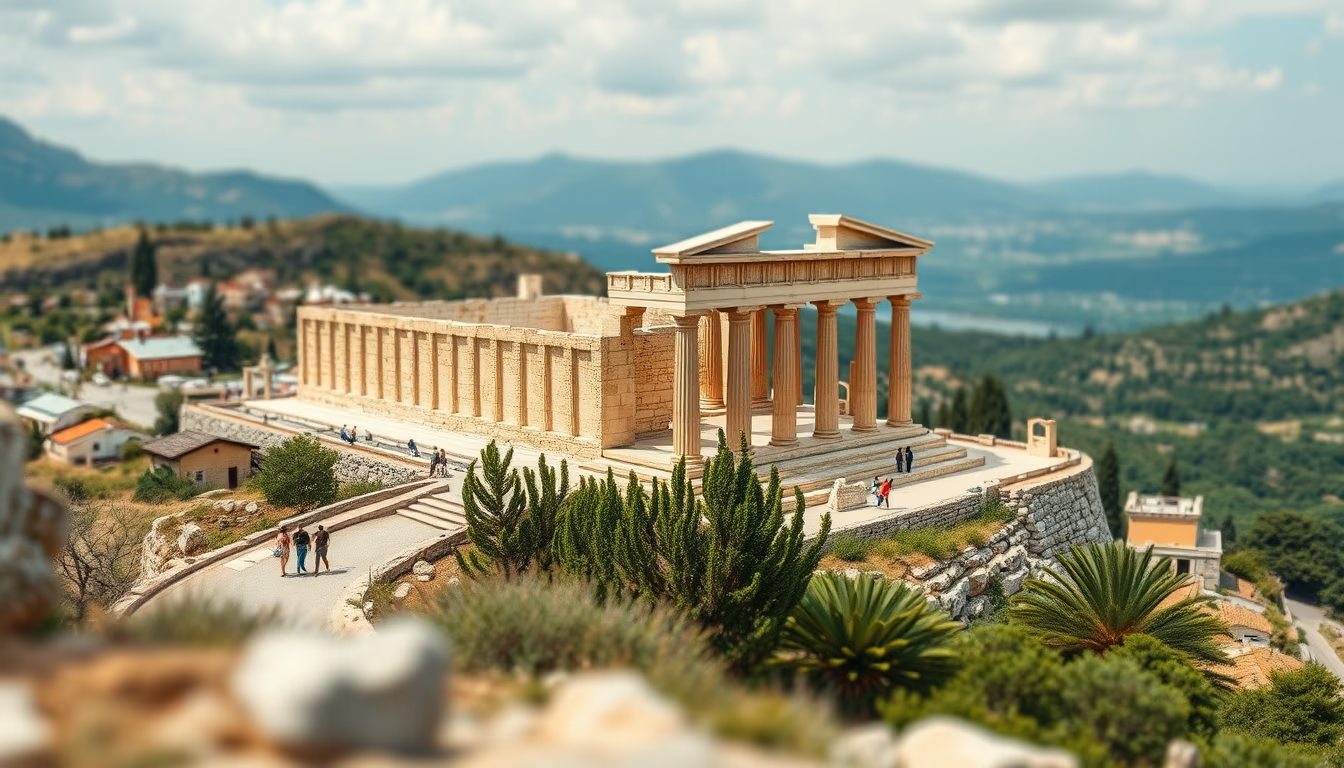
Thermopylae greek pass
1344×768 · AVIF · CC BY 4.0
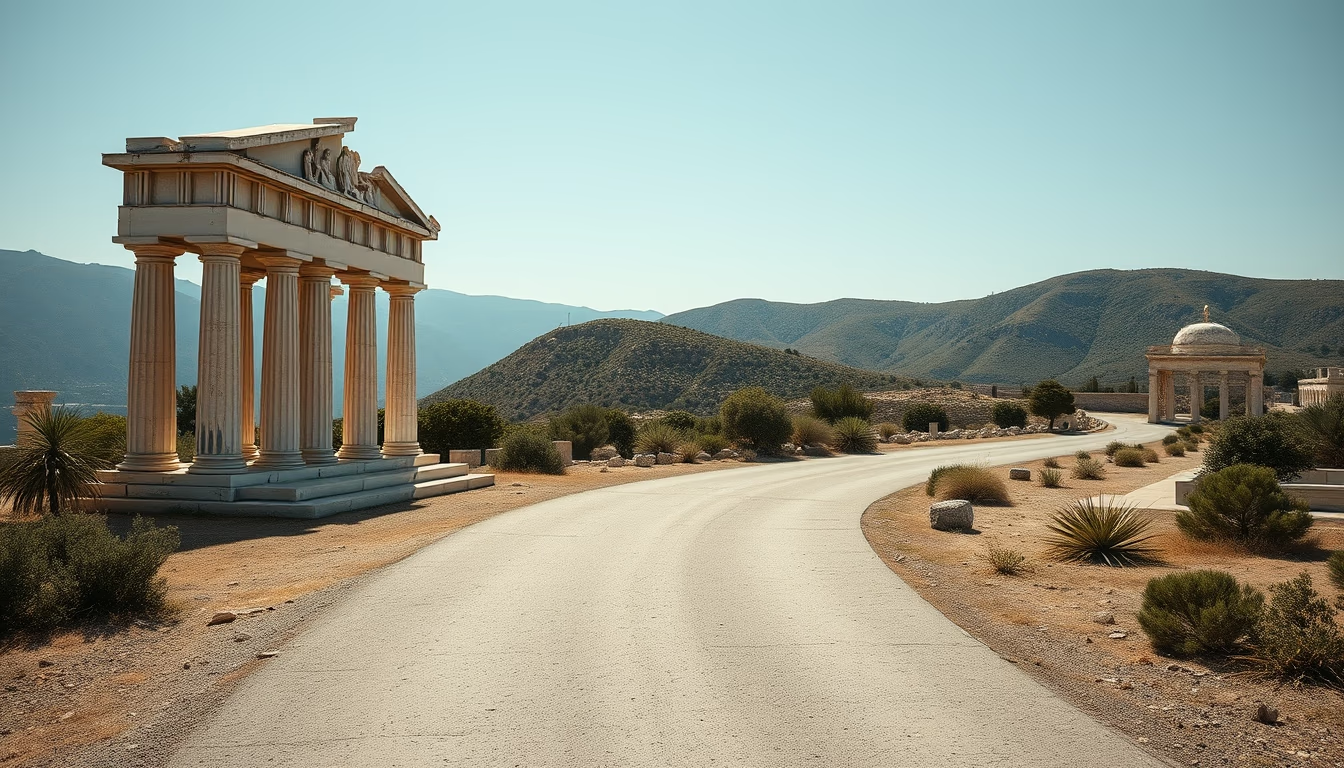
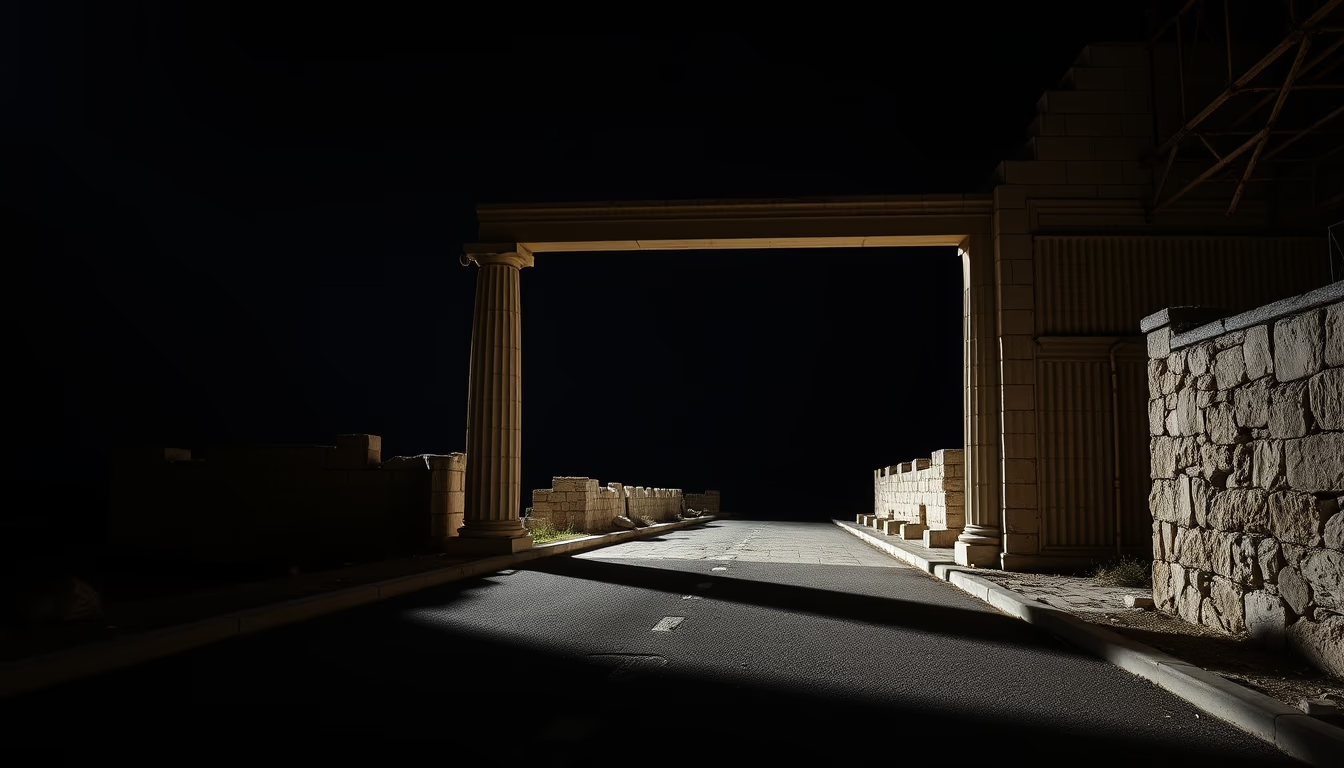
O desfiladeiro das Termópilas, na Grécia Central, foi palco da famosa batalha de 480 a.C. entre gregos e persas.
Sobre o tema
O desfiladeiro das Termópilas, localizado na região da Ftiótida, Grécia Central, é um estreito corredor costeiro entre o monte Calídomo e o Golfo Maliaco. Historicamente, era a única rota terrestre que ligava o norte ao sul da Grécia, o que lhe conferiu imensa importância estratégica. O nome Termópilas significa "portas quentes", em referência às fontes termais sulfurosas que ali existem. Na Antiguidade, o passo tinha cerca de 12 metros de largura, mas hoje, devido à sedimentação do golfo, a planície costeira é mais larga.
A Batalha das Termópilas, travada em agosto ou setembro de 480 a.C., foi um confronto decisivo durante a Segunda Guerra Médica. Uma aliança de cidades-Estado gregas, liderada pelo rei espartano Leônidas I, enfrentou o gigantesco exército persa comandado por Xerxes I. As forças gregas, estimadas entre 4.000 e 7.000 soldados, bloquearam o passo por três dias, infligindo enormes perdas aos persas. Apesar da derrota final e da morte de Leônidas, a resistência heroica inspirou toda a Grécia e permitiu que a frota ateniense se preparasse para a vitória naval em Salamina.
O local é um dos mais célebres exemplos de defesa territorial na história militar. Conta a lenda que um traidor local, Efialtes, revelou aos persas um caminho montanhoso que contornava o desfiladeiro, permitindo o cerco aos gregos. A última resistência, com os 300 espartanos e alguns tebanos e téspios, tornou-se símbolo de coragem e sacrifício. Hoje, o sítio arqueológico abriga um monumento em homenagem a Leônidas, com a inscrição espartana "Ω ξείν', αγγέλλειν Λακεδαιμονίοις ότι τήδε κείμεθα, τοις κείνων ρήμασι πειθόμενοι" ("Ó estrangeiro, dize aos lacedemônios que aqui jazemos, obedientes às suas leis").
Geograficamente, a região das Termópilas sofreu alterações significativas ao longo dos milênios. O golfo recuou, e o passo atual é mais largo do que na época antiga. Além disso, fontes termais ainda são utilizadas para banhos terapêuticos. Culturalmente, a batalha foi imortalizada em filmes, livros e peças, sendo um dos eventos mais lembrados da história clássica. O termo "Termópilas" tornou-se sinônimo de resistência heróica contra probabilidades esmagadoras.
Perguntas frequentes
Por que o desfiladeiro das Termópilas era estrategicamente importante?
Era a única rota terrestre entre o norte e o sul da Grécia, forçando qualquer exército invasor a passar por aquele ponto estreito, facilmente defensável por poucos soldados.
Quantos soldados espartanos realmente lutaram na Batalha das Termópilas?
A lendária força de 300 espartanos era apenas um contingente. O exército grego total somava entre 4.000 e 7.000 soldados, incluindo aliados como téspios e tebanos.
O que aconteceu com o corpo do rei Leônidas após a batalha?
Cercado e morto no terceiro dia, seu corpo foi recuperado pelos persas. Diz-se que Xerxes ordenou que a cabeça de Leônidas fosse cortada e empalada, como sinal de horror e desrespeito.
URL direta
https://pub-c7d6a6ea828543ac903a74a341ccb2e1.r2.dev/imagens/thermopylae-greek-pass-minimalist-composition-fresh3.avifComo creditar
Inclua um link visível de volta pro UtilizAí. Copie um dos snippets abaixo:
<a href="https://xn--utiliza-eza.com/midia/imagens/thermopylae-greek-pass-minimalist-composition-fresh3">Thermopylae greek pass</a> by <a href="https://xn--utiliza-eza.com">UtilizAí</a>, licensed under <a href="https://creativecommons.org/licenses/by/4.0/">CC BY 4.0</a>.
[Thermopylae greek pass](https://xn--utiliza-eza.com/midia/imagens/thermopylae-greek-pass-minimalist-composition-fresh3) by [UtilizAí](https://xn--utiliza-eza.com), CC BY 4.0
Licença: CC-BY-4.0