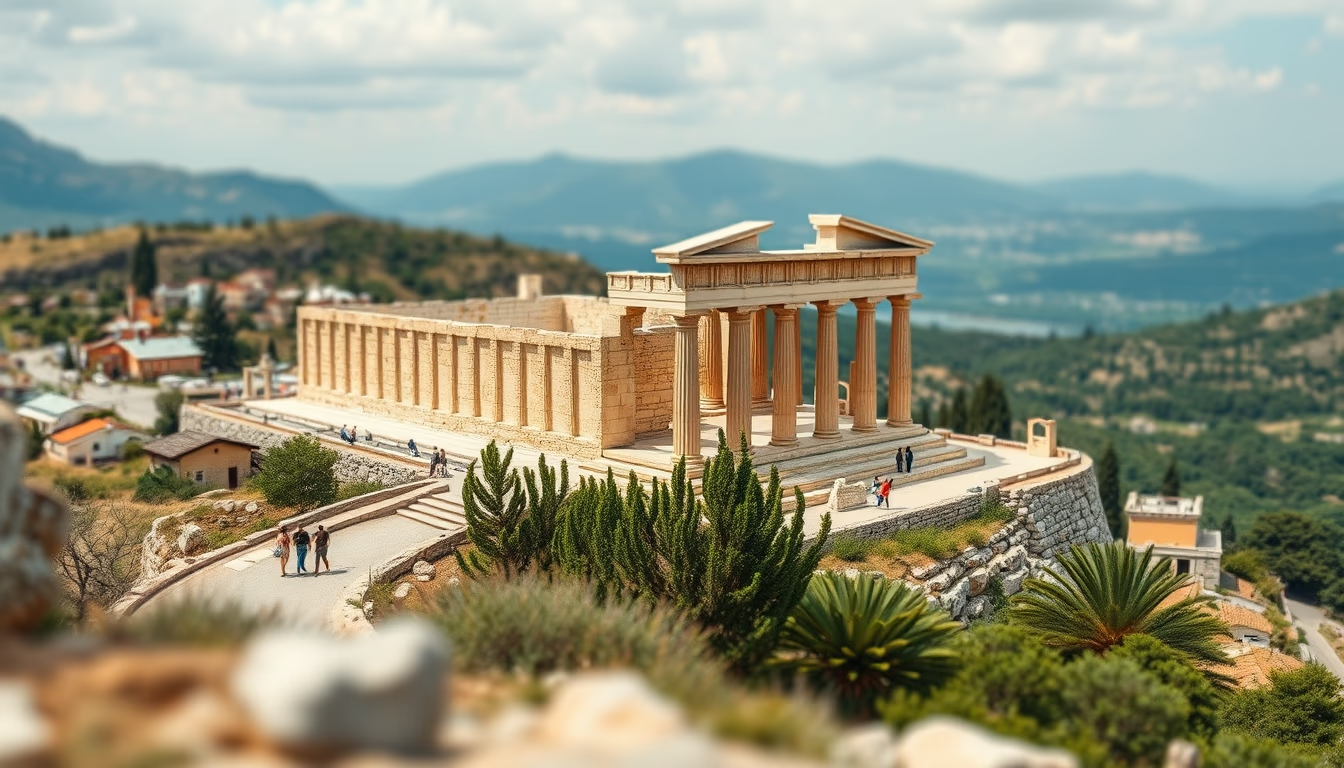
Thermopylae greek pass
1344×768 · AVIF · CC BY 4.0
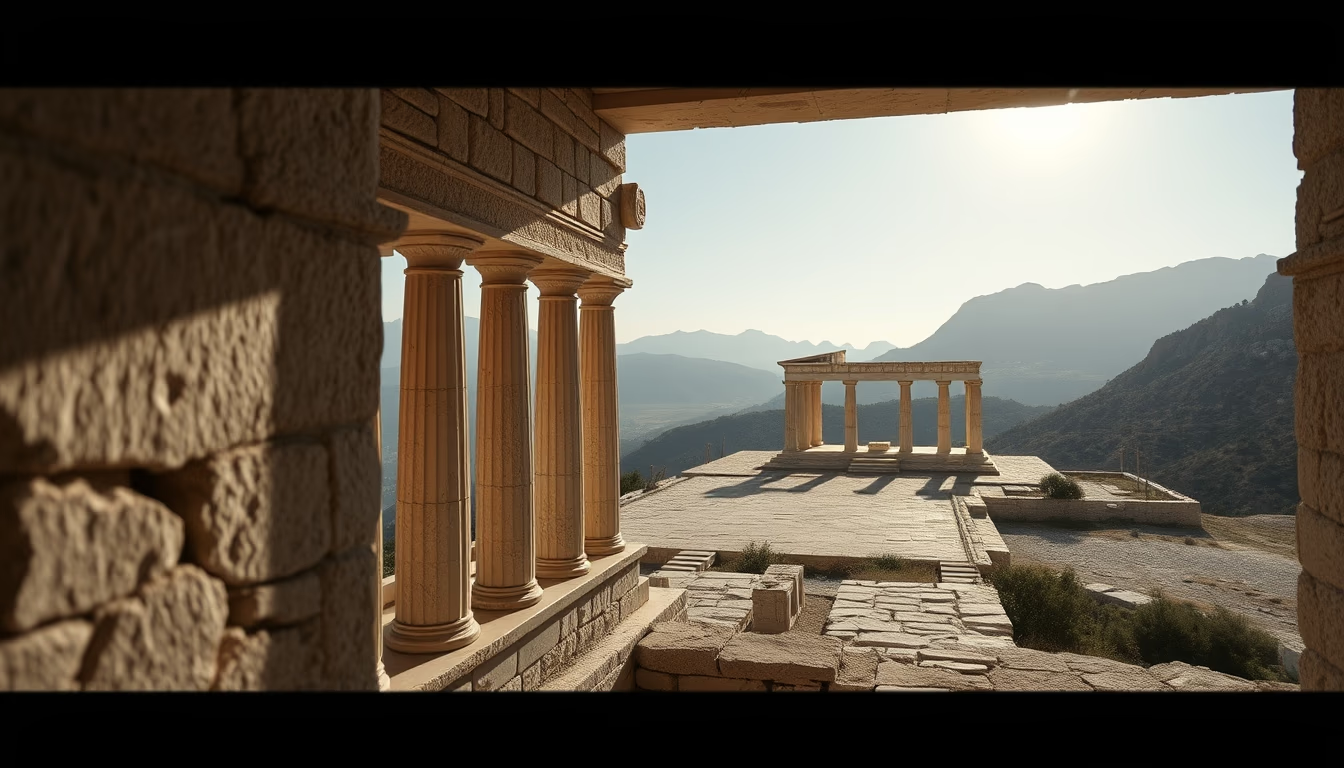
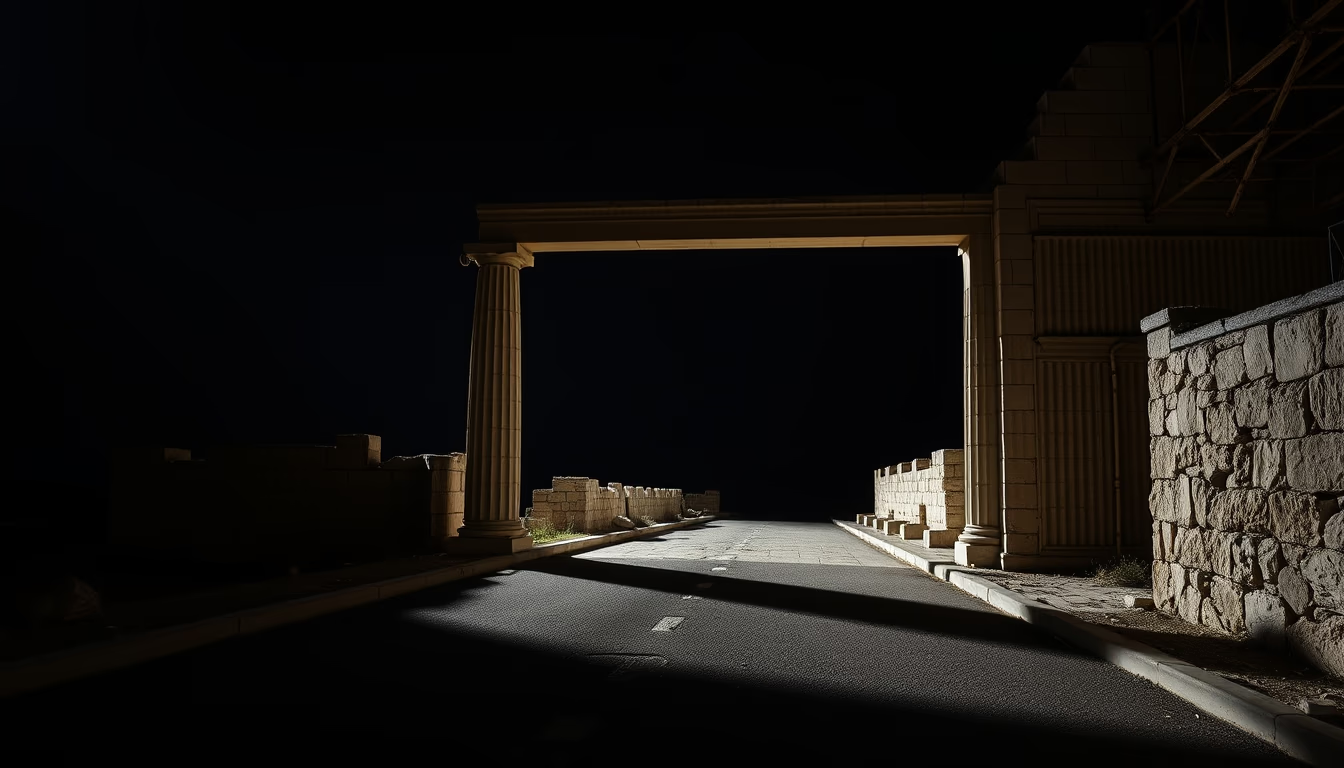
The Pass of Thermopylae in Central Greece is a historic gorge famous for the Battle of Thermopylae in 480 BC, where 300 Spartans faced the Persian army.
About this subject
The Pass of Thermopylae, located in the region of Phthiotis, Central Greece, is a narrow coastal gorge that historically connected Thessaly to southern Greece. Its name derives from the Greek "thermopylae," meaning "hot gates," referring to the sulfur hot springs nearby. The site is world-famous for the Battle of Thermopylae in 480 BC, during the Greco-Persian Wars, where a small Greek force led by Spartan King Leonidas I resisted the vast Persian army of Xerxes I. Despite the Greek defeat, the battle became a symbol of courage and sacrifice.
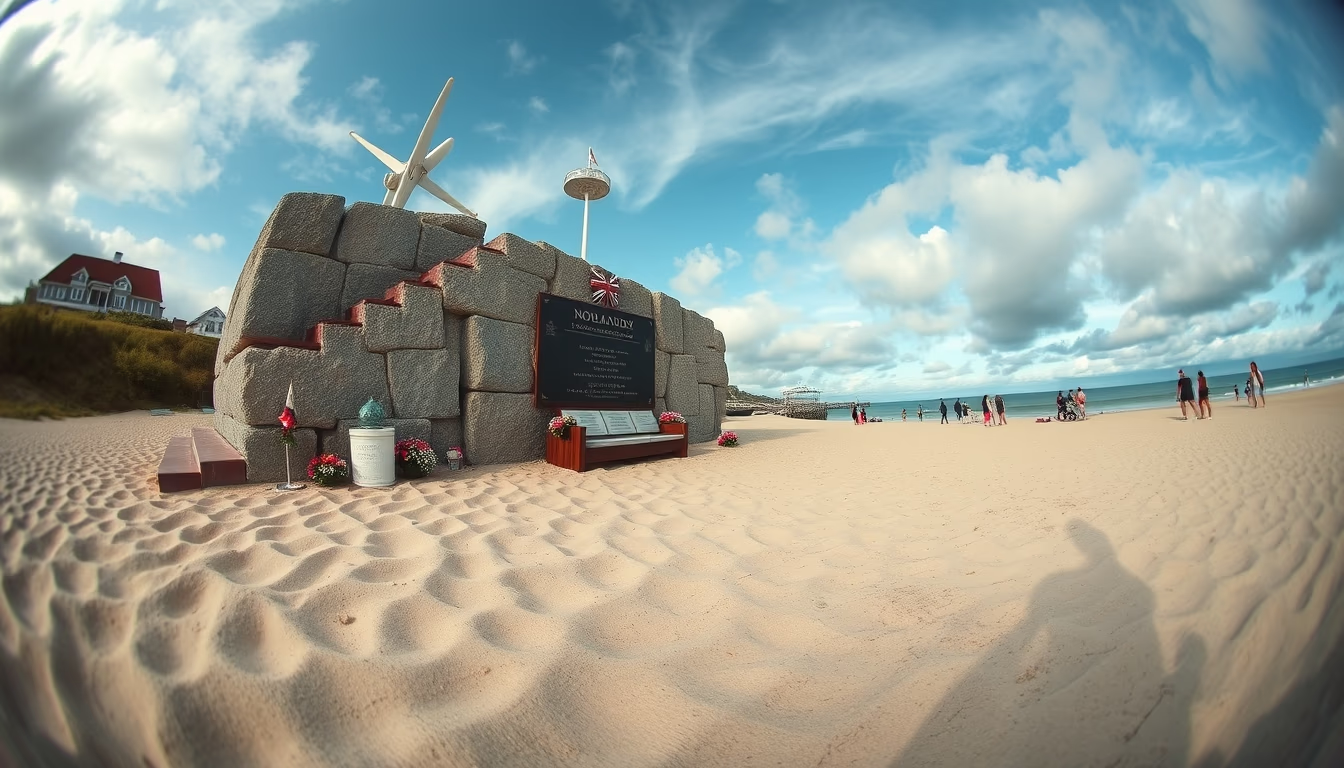
Geographically, the pass was about 100 meters wide in antiquity, but over millennia, sediment deposition from the Spercheios River widened the coastal plain, altering the original landscape. Today, a modern highway and railway traverse the area, making the site less recognizable. Visitors can still see the modern monument dedicated to Leonidas and his soldiers, erected on Kolonos Hill, where the final fighting occurred.
Beyond the famous battle, Thermopylae witnessed other conflicts throughout history, such as the Gallic invasion in 279 BC and Greek resistance against the Romans in 191 BC. The site also holds mythological significance, associated with Heracles and the thermal nymphs. For history enthusiasts, a visit to Thermopylae offers a tangible connection to one of antiquity's most emblematic episodes, where geography shaped the outcome of a war that defined the destiny of Western civilization.
Frequently Asked Questions
How many Greek soldiers actually fought at the Battle of Thermopylae?
Herodotus reports the Greek force numbered about 7,000 men, including 300 Spartans, 700 Thespians, and 400 Thebans, among others. The 300 Spartans became the central symbol of resistance.
What happened to Leonidas' body after the battle?
Xerxes I ordered Leonidas' body beheaded and crucified, an affront to Greek tradition of honoring the dead. Years later, his remains were repatriated to Sparta and buried with honors.
How has the geography of Thermopylae changed since antiquity?
Sedimentation from the Spercheios River has widened the coastal plain, so the pass, originally about 100 meters wide, now extends several kilometers to the sea.
Direct URL
https://pub-c7d6a6ea828543ac903a74a341ccb2e1.r2.dev/imagens/thermopylae-greek-pass-magazine-editorial-fresh5.avifHow to credit
Include a visible link back to UtilizAí. Copy one of the snippets below:
<a href="https://xn--utiliza-eza.com/en/midia/imagens/thermopylae-greek-pass-magazine-editorial-fresh5">Thermopylae greek pass</a> by <a href="https://xn--utiliza-eza.com">UtilizAí</a>, licensed under <a href="https://creativecommons.org/licenses/by/4.0/">CC BY 4.0</a>.
[Thermopylae greek pass](https://xn--utiliza-eza.com/en/midia/imagens/thermopylae-greek-pass-magazine-editorial-fresh5) by [UtilizAí](https://xn--utiliza-eza.com), CC BY 4.0
License: CC-BY-4.0