Tea room tatami
1344×768 · AVIF · CC BY 4.0

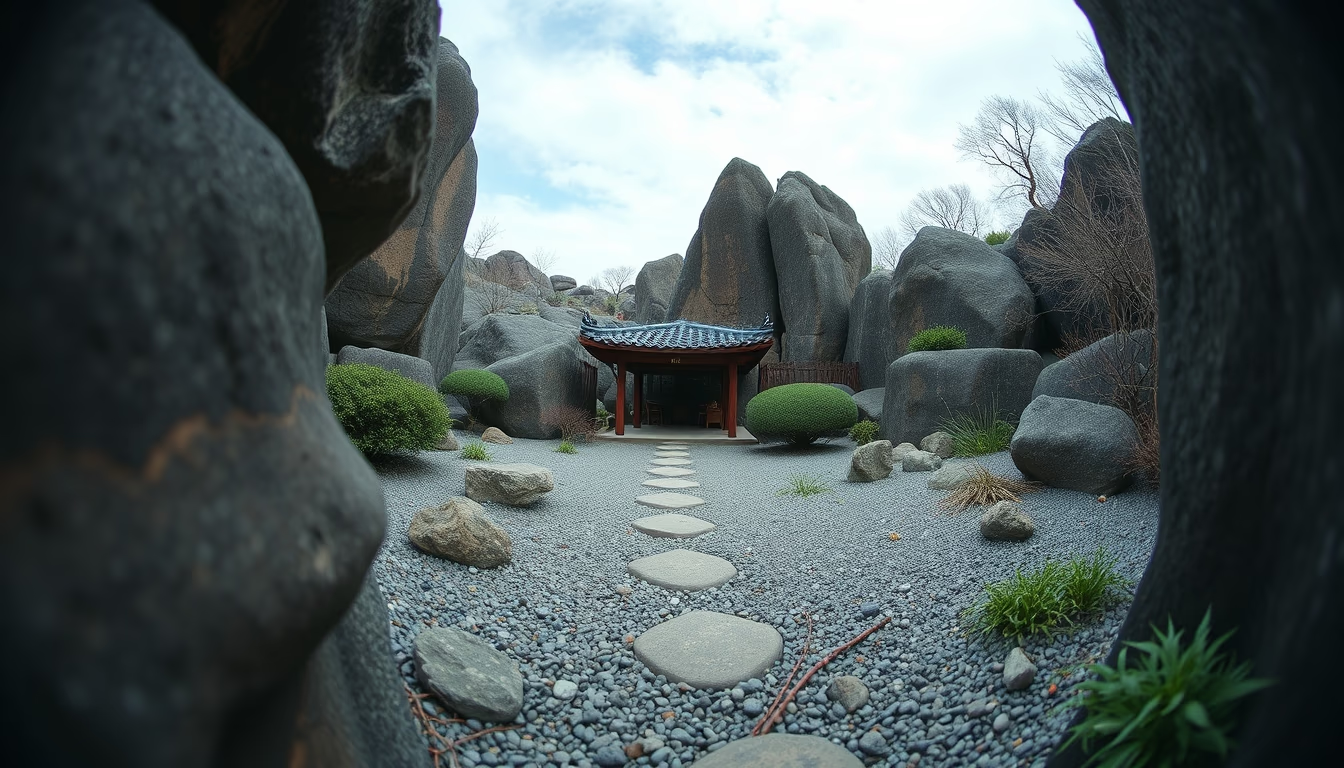
Tatami is the traditional flooring of Japanese tea rooms, made of compressed rice straw and rush grass matting, providing comfort and cultural significance.
About this subject
Tatami, flooring made of compressed rice straw and covered with rush grass matting (igusa), is a central element in the architecture of Japanese tea rooms, known as chashitsu. Each tatami measures approximately 1.8 meters by 0.9 meters, serving as a unit of measurement for the space. In a typical tea room, the number of tatami mats defines the size of the room; the most common model is four and a half mats, considered ideal for the practice of chanoyu.
During the tea ceremony, the tatami determines the arrangement of guests and the host. The hearth (ro) for boiling water is usually embedded in a tatami, and the position of each person follows strict etiquette rules. Stepping on the edges of tatami or dragging feet is considered disrespectful as it damages the structure.
Culturally, tatami represents the values of wabi-sabi: simplicity, naturalness, and imperfection. Its handmade production involves drying straw, pressing, and sewing the edges with cloth called heri. Maintenance requires periodic replacement, as the material absorbs moisture and wears out with use. High-quality tatami can last for decades with proper care.
Historically, tatami was a luxury item accessible only to the nobility and samurai. Over time, it became widespread and is now found in modern homes in Japan and around the world, adapted with synthetic materials. In the tea ceremony, tatami preserves centuries-old tradition, connecting practitioners to the essence of Japanese culture.
Frequently Asked Questions
Why is tatami important in the tea ceremony?
Tatami defines the architecture of the tea room, determining the positions of guests and host, and creating an atmosphere of simplicity and harmony essential to the wabi-sabi aesthetic.
What is the standard size of a tatami mat?
Traditional sizes vary by region in Japan, but the most common is approximately 1.8 meters by 0.9 meters (one ken long and half ken wide).
How is tatami made?
It consists of a core of compressed rice straw covered by a woven rush grass mat (igusa) with cloth borders called heri. Modern tatami may use synthetic foam.
Direct URL
https://pub-c7d6a6ea828543ac903a74a341ccb2e1.r2.dev/imagens/tea-room-tatami-tilt-shift-miniature-fresh2.avifHow to credit
Include a visible link back to UtilizAí. Copy one of the snippets below:
<a href="https://xn--utiliza-eza.com/en/midia/imagens/tea-room-tatami-tilt-shift-miniature-fresh2">Tea room tatami</a> by <a href="https://xn--utiliza-eza.com">UtilizAí</a>, licensed under <a href="https://creativecommons.org/licenses/by/4.0/">CC BY 4.0</a>.
[Tea room tatami](https://xn--utiliza-eza.com/en/midia/imagens/tea-room-tatami-tilt-shift-miniature-fresh2) by [UtilizAí](https://xn--utiliza-eza.com), CC BY 4.0
License: CC-BY-4.0