Tea room tatami
1344×768 · AVIF · CC BY 4.0
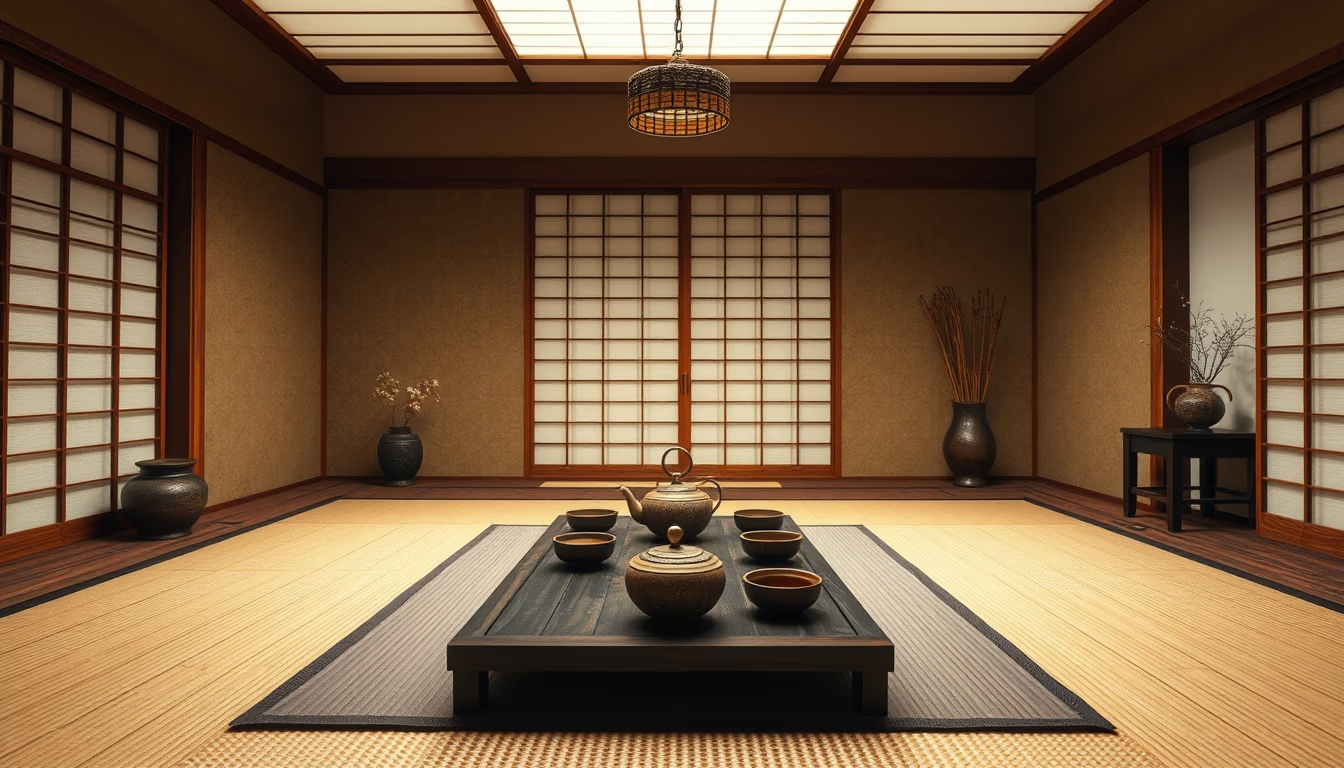
Tatami is the traditional flooring of Japanese tea rooms, made of rice straw and rush grass matting, essential for the tea ceremony.
About this subject
Tatami is a fundamental element of traditional Japanese architecture, especially in tea rooms (chashitsu). It consists of a core of compressed rice straw covered by a woven mat of rush grass (igusa). This natural composition provides thermal insulation, cushioning, and a characteristic aroma that contributes to the serene atmosphere of the space.
In the tea ceremony, tatami is not merely a floor but a stage for ritualistic interaction. The standard size of a tatami mat is approximately 1.82 m by 0.91 m, varying slightly by region. Room area is measured in number of tatami, for example, a typical tea room has four and a half mats. This standardization influences the design of the entire space, from the position of the tokonoma (alcove) to the arrangement of utensils.
Historically, tatami emerged during the Heian period (794, 1185), initially used only by the nobility. Over time, its use spread to temples and tea houses, becoming a symbol of refinement and simplicity. Artisan production requires great skill: rush fibers are sun-dried, dyed, and hand-woven. A high-quality tatami can last for decades, though the surface needs periodic replacement.
Interestingly, tatami also carries spiritual meaning. In the chashitsu, the edges of tatami are often bordered with black or brown cloth, and the number of folds in the border can indicate the lineage of the tea school. Additionally, stepping on tatami with shoes is considered disrespectful, as the floor is treated as a sacred surface.
Frequently Asked Questions
How is a traditional tatami mat made?
Traditional tatami is made with a core of compressed rice straw covered by a woven mat of rush grass (igusa). The rush is sun-dried, dyed, and hand-woven. Artisan production requires great skill and can take days for a single mat.
Why is tatami used in Japanese tea rooms?
Tatami provides a soft, quiet surface that enhances concentration and meditation during the tea ceremony. Its standardization helps define the room layout, and its natural aroma contributes to the calming atmosphere.
How to maintain a tatami floor?
Avoid shoes on tatami and do not drag heavy furniture. Clean with a damp cloth and vacuum, but avoid excess water. Direct sunlight can fade the fibers. Air the room regularly and replace the surface every 5-10 years.
Direct URL
https://pub-c7d6a6ea828543ac903a74a341ccb2e1.r2.dev/imagens/tea-room-tatami-studio-still-life-fresh18.avifHow to credit
Include a visible link back to UtilizAí. Copy one of the snippets below:
<a href="https://xn--utiliza-eza.com/en/midia/imagens/tea-room-tatami-studio-still-life-fresh18">Tea room tatami</a> by <a href="https://xn--utiliza-eza.com">UtilizAí</a>, licensed under <a href="https://creativecommons.org/licenses/by/4.0/">CC BY 4.0</a>.
[Tea room tatami](https://xn--utiliza-eza.com/en/midia/imagens/tea-room-tatami-studio-still-life-fresh18) by [UtilizAí](https://xn--utiliza-eza.com), CC BY 4.0
License: CC-BY-4.0