Tea room tatami
1344×768 · AVIF · CC BY 4.0

Tatami mats are the traditional flooring in Japanese tea rooms, essential to the tea ceremony and symbols of harmony and respect.
About this subject
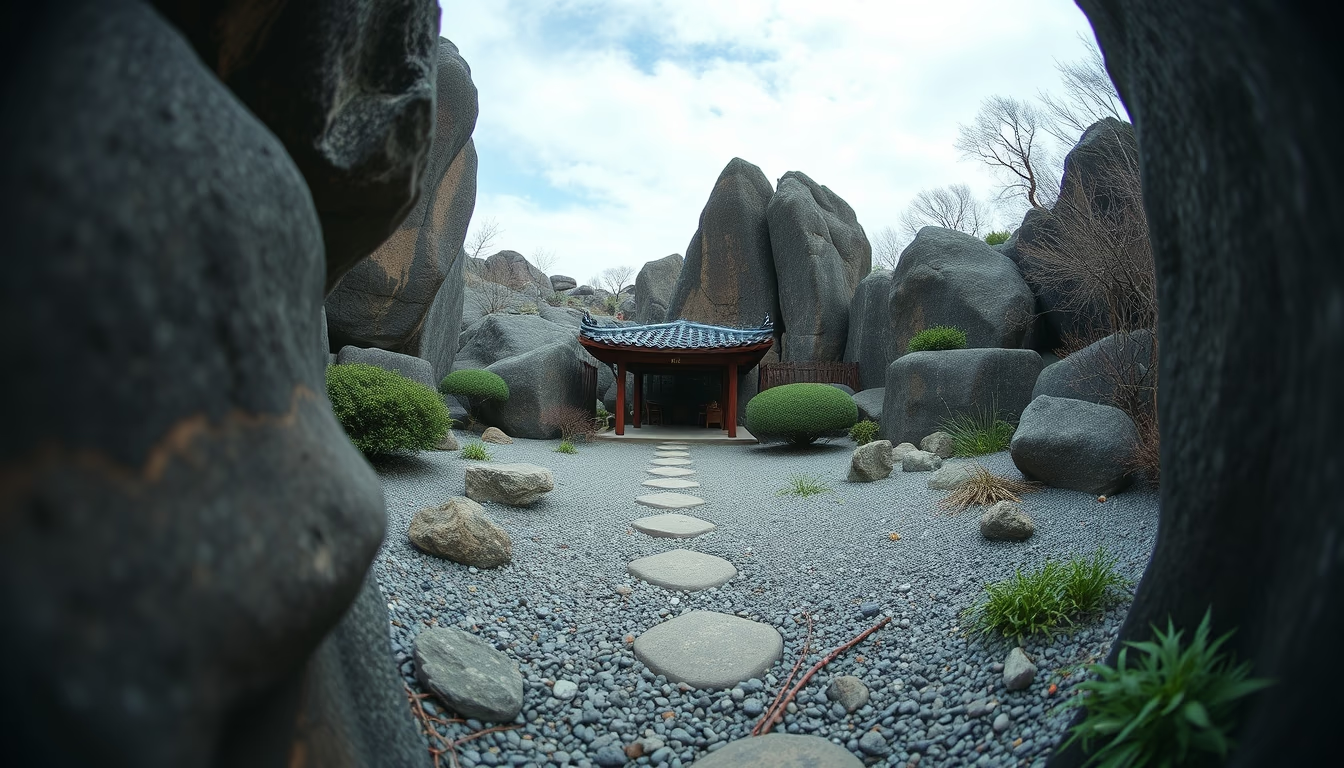
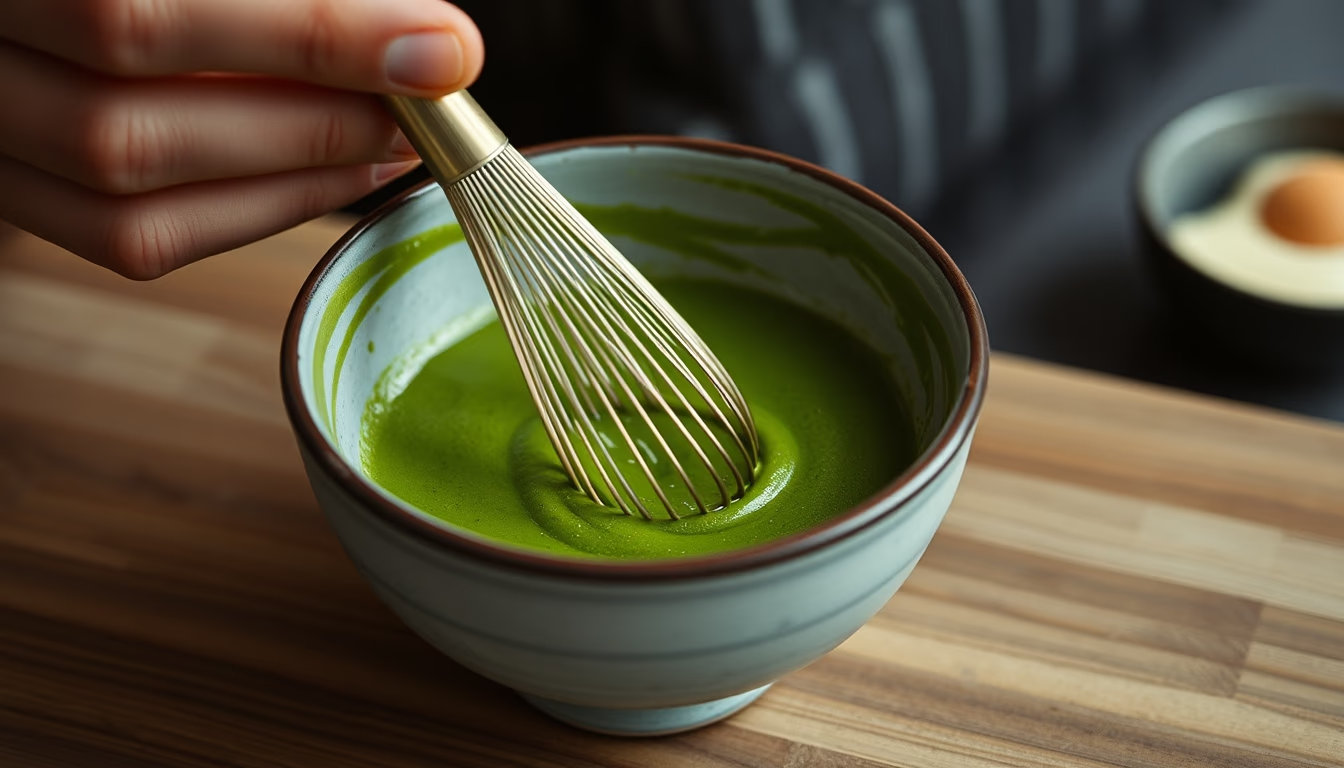
The Japanese tea ceremony, known as chanoyu or sado, is a ritualistic practice centered on the preparation and consumption of matcha. It takes place in dedicated tea rooms called chashitsu, designed to foster tranquility and focus. Tatami mats, made from woven rice straw and covered with soft rush grass, are essential to both the aesthetics and functionality of these spaces. Each tatami has standardized dimensions (roughly 1.82 m by 0.91 m), and the size of the tea room is often measured by the number of mats. In the tea ceremony, the layout of tatami follows strict rules, including the placement of the tokonoma (alcove for scrolls and flowers) and the seating of guests. Beyond practicality, tatami carry deep cultural meaning: they symbolize a connection to nature and the impermanence of life, as the straw wears over time. Historically, tatami emerged during the Heian period (794, 1185) as flooring for the aristocracy, later spreading to samurai and merchants. Today, tatami remain in use in Japanese homes, temples, and tea rooms, preserving a centuries-old tradition.
Frequently Asked Questions
What is the significance of tatami in the tea ceremony?
Tatami defines the sacred space of the chashitsu, influences participants' posture, and follows strict layout rules that reflect wabi-sabi aesthetics and ritual hierarchy.
How are tatami mats traditionally made?
They are made from compressed rice straw forming the core, covered by a woven soft rush mat (igusa). Thickness and texture vary by region in Japan.
Are tatami still used in modern Japan?
Yes, especially in living rooms, temples, ryokans, and tea rooms. While Western flooring is common, tatami retains its cultural and symbolic importance.
Direct URL
https://pub-c7d6a6ea828543ac903a74a341ccb2e1.r2.dev/imagens/tea-room-tatami-studio-editorial-portrait-fresh6.avifHow to credit
Include a visible link back to UtilizAí. Copy one of the snippets below:
<a href="https://xn--utiliza-eza.com/en/midia/imagens/tea-room-tatami-studio-editorial-portrait-fresh6">Tea room tatami</a> by <a href="https://xn--utiliza-eza.com">UtilizAí</a>, licensed under <a href="https://creativecommons.org/licenses/by/4.0/">CC BY 4.0</a>.
[Tea room tatami](https://xn--utiliza-eza.com/en/midia/imagens/tea-room-tatami-studio-editorial-portrait-fresh6) by [UtilizAí](https://xn--utiliza-eza.com), CC BY 4.0
License: CC-BY-4.0