Tea room tatami
1344×768 · AVIF · CC BY 4.0
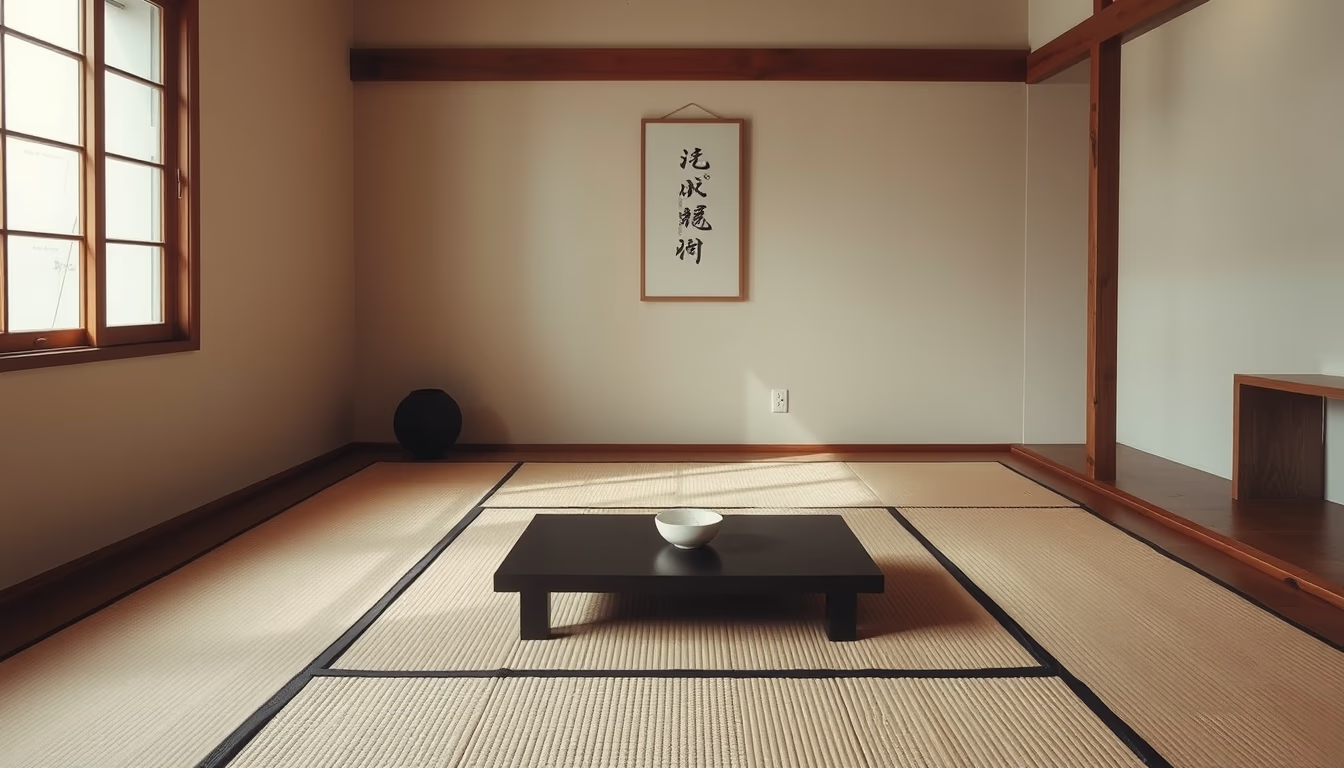
Tatami in the Japanese tea room: history, materials, and its importance in the tea ceremony.
About this subject
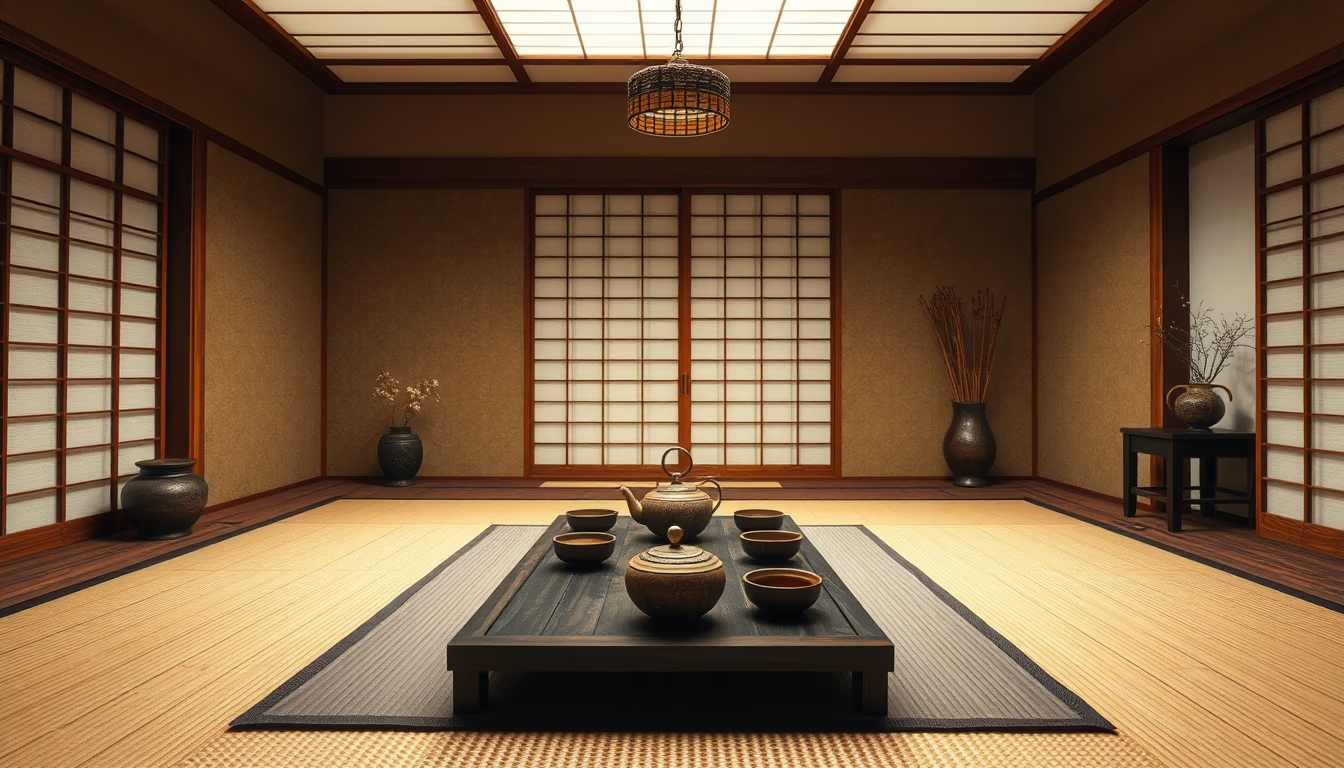
Tatami is a fundamental element of traditional Japanese architecture, especially in tea rooms (chashitsu) used for the tea ceremony. Made from compressed rice straw and covered with soft rush grass (igusa), tatami provides thermal and acoustic insulation, as well as a soft surface for sitting. Standard tatami dimensions vary by region, but in chashitsu, the most common size is kyōma (approximately 191 cm by 95.5 cm). The number of tatami in a tea room is symbolic: the ideal four-and-a-half-mat (yojōhan) model is the most traditional, representing the wabi-sabi aesthetic of simplicity and imperfection.
The history of tatami dates back to the Heian period (794, 1185), when it was used only by the nobility. Over time, it became accessible to all classes, but its presence in the tea room is deeply significant. Tea master Sen no Rikyū (1522, 1591) established rules for the chashitsu, including the use of tatami with black or brown cloth borders that contrast with the natural straw. The arrangement of tatami mats also follows rules: edges should not cross, and the pattern varies by season and ceremony type.
Beyond functionality, tatami influences posture and movement during the ceremony. Participants sit in seiza (kneeling) position on the tatami, and every gesture is calculated to avoid disturbing the surface. Cleaning tatami is ritualized: a rice-straw broom and damp cloth are used, never sweeping against the fiber direction. The characteristic smell of igusa, especially when new, is part of the multi-sensory experience of the tea room.
Interesting fact: in modern tea rooms, tatami mats are still replaced every two to three years, as natural wear is part of the wabi-sabi aesthetic. The thickness of tatami (about 5 to 6 cm) is standardized to ensure the correct height of the alcove (tokonoma) and sliding doors (shoji).
Frequently Asked Questions
What is the importance of tatami in the tea ceremony?
Tatami defines the sacred space of the chashitsu, influences participants' posture, and its texture, smell, and arrangement follow aesthetic and functional rules that honor the wabi-sabi tradition.
How many tatami mats does a traditional tea room have?
The classic size is four and a half mats (yojōhan), but variations exist such as the three-mat chashitsu (sanjō) for more intimate ceremonies.
Are tatami mats the same throughout Japan?
No, dimensions vary by region. Kyōma (used in Kyoto) is approximately 191 cm by 95.5 cm, while edoma (Tokyo) is slightly smaller, at 176 cm by 88 cm.
Direct URL
https://pub-c7d6a6ea828543ac903a74a341ccb2e1.r2.dev/imagens/tea-room-tatami-minimalist-composition-fresh9.avifHow to credit
Include a visible link back to UtilizAí. Copy one of the snippets below:
<a href="https://xn--utiliza-eza.com/en/midia/imagens/tea-room-tatami-minimalist-composition-fresh9">Tea room tatami</a> by <a href="https://xn--utiliza-eza.com">UtilizAí</a>, licensed under <a href="https://creativecommons.org/licenses/by/4.0/">CC BY 4.0</a>.
[Tea room tatami](https://xn--utiliza-eza.com/en/midia/imagens/tea-room-tatami-minimalist-composition-fresh9) by [UtilizAí](https://xn--utiliza-eza.com), CC BY 4.0
License: CC-BY-4.0