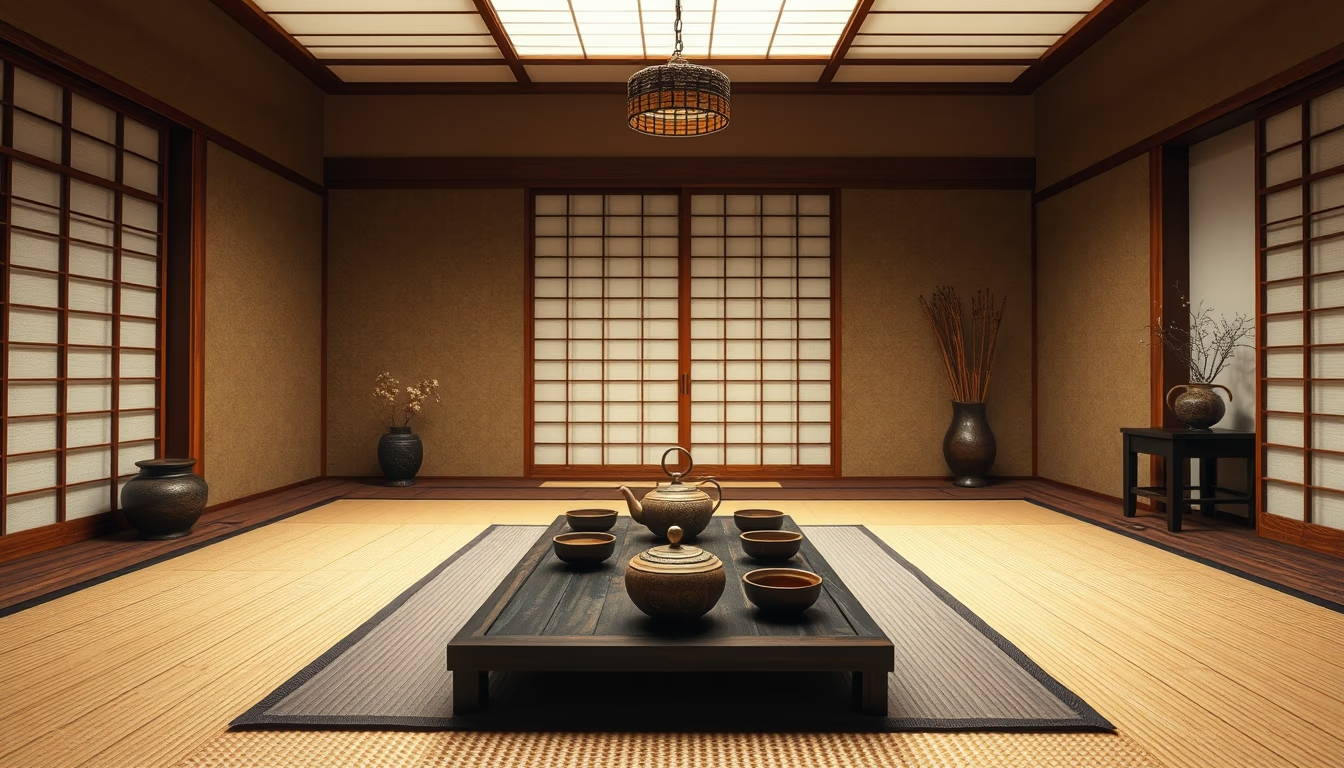
Tea room tatami
1344×768 · AVIF · CC BY 4.0
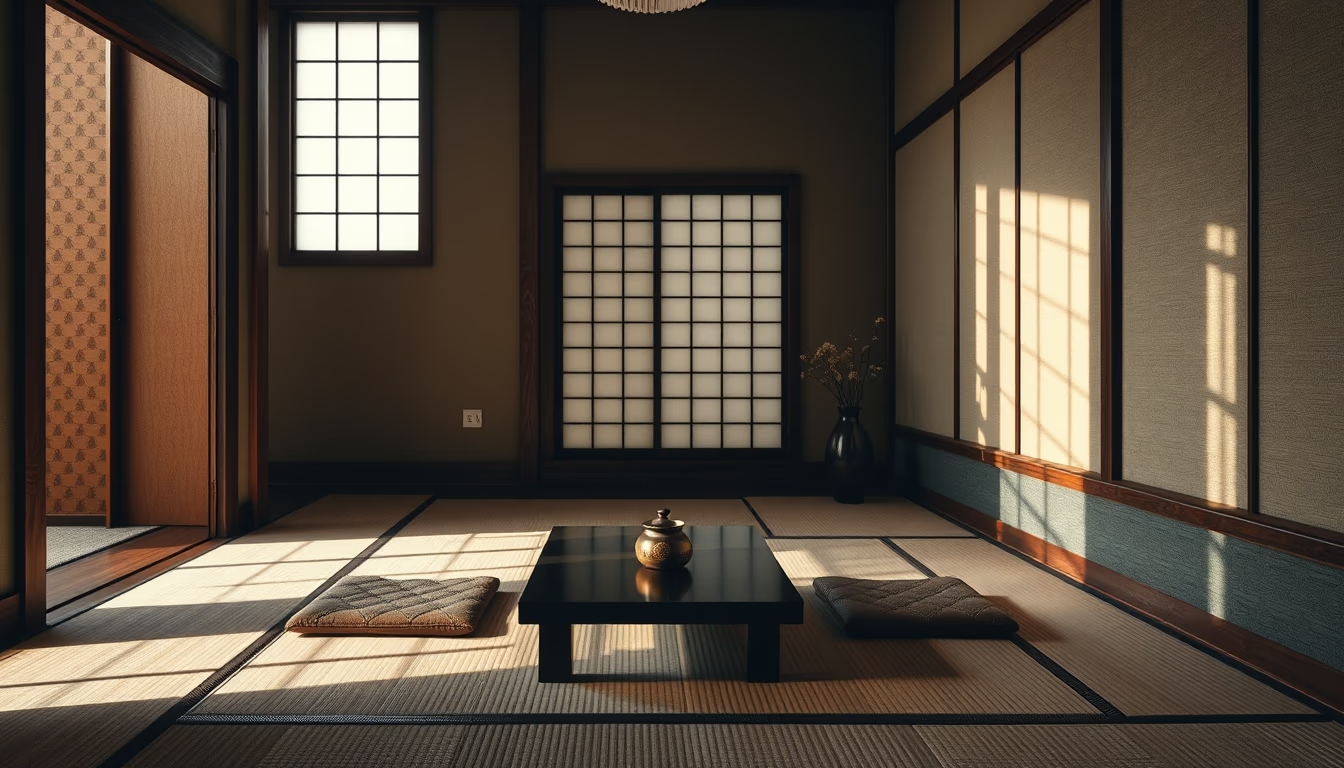
Tatami, the traditional Japanese floor made of rice straw, is essential in tea rooms, providing authenticity and a connection to nature.
About this subject
Tatami is a central element in traditional Japanese architecture, especially in tea rooms (chashitsu). Made from compressed rice straw and covered with woven rush grass, it not only defines the physical space but also establishes a rhythm and aesthetic based on simplicity and harmony with nature. In a tea ceremony, tatami dictates the placement of utensils, where guests sit, and even the way one walks. The standard tatami size is about 1.91 m by 0.955 m, and tea rooms are often measured in tatami mats, such as the classic four-and-a-half-mat room (yojōhan).
Beyond its practical function of cushioning and insulation, tatami carries strong symbolism. Its soft surface demands gentle, reverent movements, reinforcing the ceremony's etiquette. The greenish hue of the rush and the natural aroma of straw evoke the countryside and the transience of seasons, concepts dear to the Japanese aesthetic of wabi-sabi. Tatami maintenance is also ritualistic: every year or two, the mats are flipped or replaced to preserve their texture and appearance.
Interestingly, tatami is not exclusive to Japan, but its association with the tea ceremony is so strong that a room without tatami would hardly be considered authentic for chanoyu. Tea master Sen no Rikyū, in the 16th century, standardized tatami use in chashitsu, including the tokonoma (alcove) for a calligraphy scroll or flower arrangement. Today, even in modern constructions, many Japanese families retain at least one tatami room to keep this tradition alive.
Frequently Asked Questions
What is tatami and what is it made of?
Tatami is a traditional Japanese flooring made from compressed rice straw and covered with woven rush grass (igusa). It is soft, insulating, and aromatic.
How many tatami mats does a traditional tea room have?
The classic tea room has four and a half mats (yojōhan), but variations exist. The number of mats defines the room's size and layout.
Why is tatami important in the tea ceremony?
Tatami establishes the ceremony's etiquette, influencing movements and postures. Its texture and aroma reinforce the connection to nature and the wabi-sabi aesthetic.
Direct URL
https://pub-c7d6a6ea828543ac903a74a341ccb2e1.r2.dev/imagens/tea-room-tatami-magazine-editorial-fresh11.avifHow to credit
Include a visible link back to UtilizAí. Copy one of the snippets below:
<a href="https://xn--utiliza-eza.com/en/midia/imagens/tea-room-tatami-magazine-editorial-fresh11">Tea room tatami</a> by <a href="https://xn--utiliza-eza.com">UtilizAí</a>, licensed under <a href="https://creativecommons.org/licenses/by/4.0/">CC BY 4.0</a>.
[Tea room tatami](https://xn--utiliza-eza.com/en/midia/imagens/tea-room-tatami-magazine-editorial-fresh11) by [UtilizAí](https://xn--utiliza-eza.com), CC BY 4.0
License: CC-BY-4.0