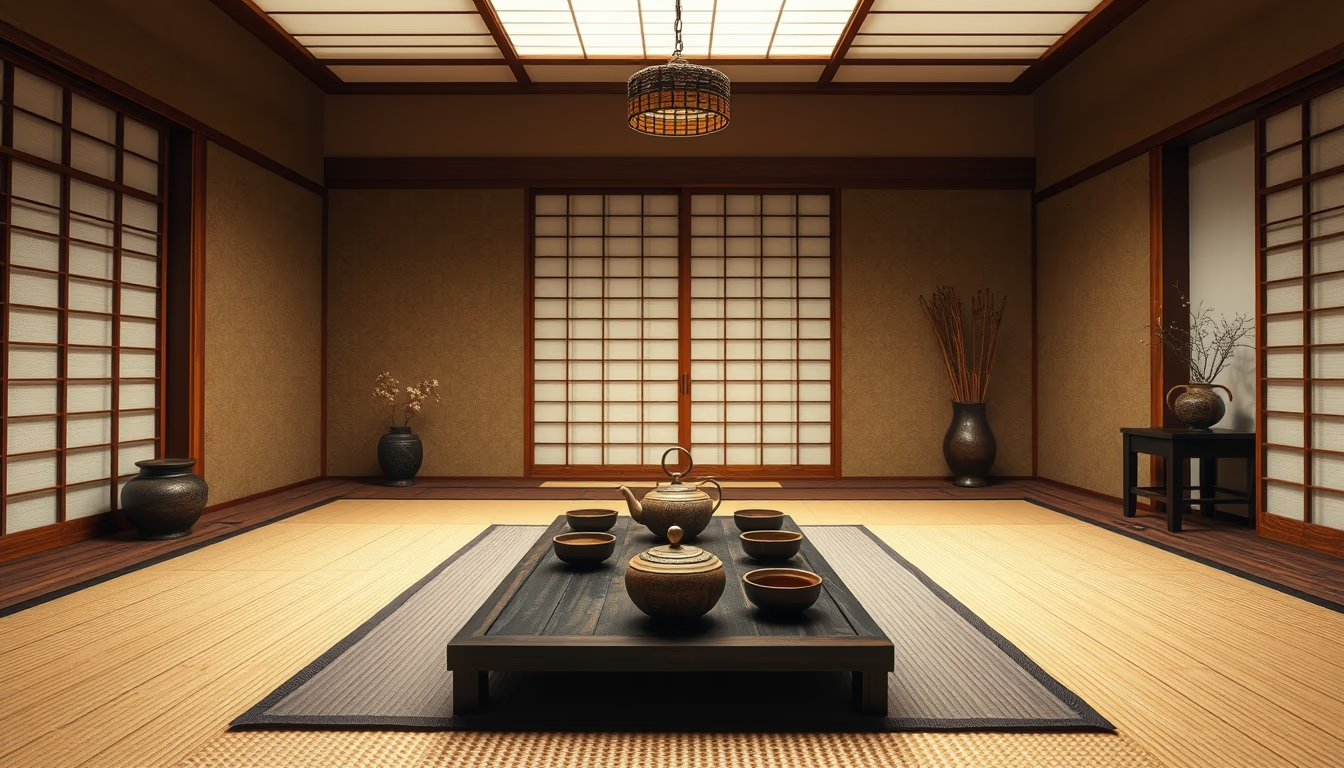
Tea room tatami
1344×768 · AVIF · CC BY 4.0
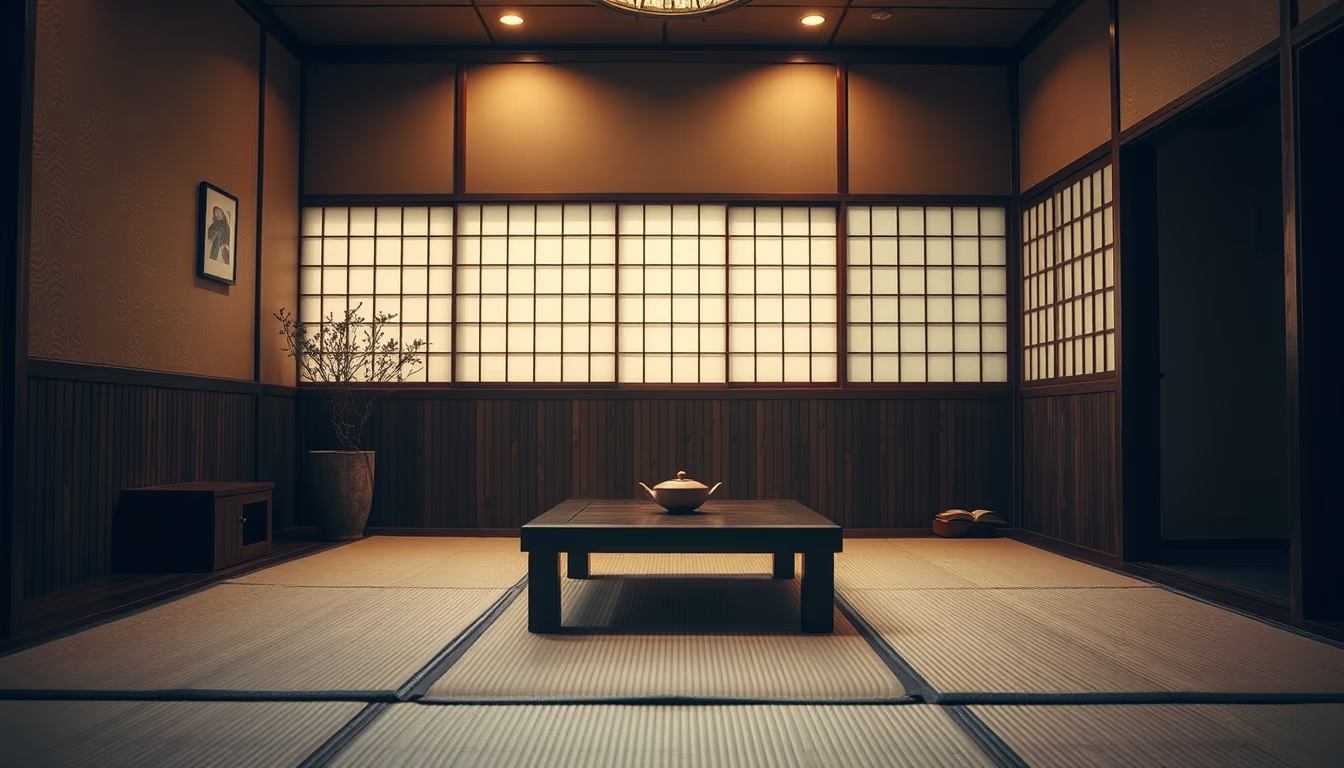
Tatami mats are a fundamental element in the architecture of a Japanese tea room, defining the space and the ceremony.
About this subject
Tatami, a traditional Japanese flooring made from rice straw and rush grass, is the physical and symbolic foundation of a tea room (chashitsu). Its origins trace back to the Heian period (794-1185), when it was used as seating for the nobility. With the development of the tea ceremony in the 16th century, especially by Sen no Rikyū, tatami became standardized: each mat measures approximately 1.91m by 0.955m, following a 2:1 ratio. A typical tea room has 4.5 tatami (about 8.2 square meters), a size that creates intimacy and requires precise movements from participants.
The choice of tatami is not merely aesthetic. The soft texture and natural scent of the straw contribute to the sensory experience of the ceremony, while the orientation of the mats indicates hierarchy and social status. The empty space between mats, called yukitsuke, is meticulously calculated so that guests move harmoniously. Maintaining tatami is an art: cleaning must be done with damp cloths, never with excess water, and exposure to sunlight can fade the color.
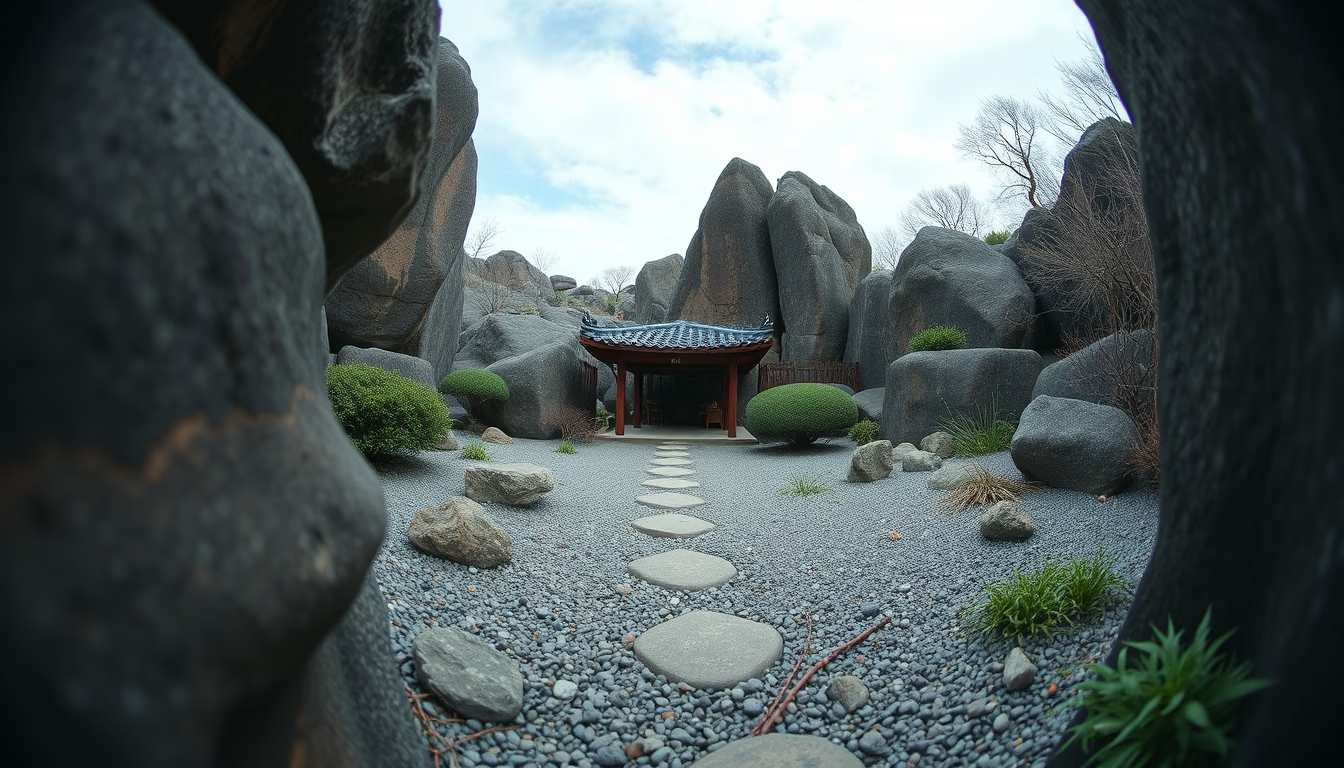
Curiously, the number of tatami in a chashitsu varies by style. The shin (formal) style uses 4.5 tatami; the gyō (semi-formal) style may have 8 tatami. In outdoor tea rooms (roji), tatami are replaced by stones. Tatami also influences ceiling height and the position of the tokonoma (alcove). Today, tatami faces competition from modern flooring but retains its cultural status in Japan, used in temples, ryokan, and traditional houses. Artisanal production has declined, but demand for authenticity in tea ceremonies preserves this tradition.
Frequently Asked Questions
What is a tatami mat and how is it made?
A tatami is a traditional Japanese flooring made from a compressed rice straw core covered by a woven rush grass (igusa) surface. It is handcrafted in layers that provide thermal and acoustic insulation.
Why does a tea room have exactly 4.5 tatami mats?
The 4.5 mat size was defined by Sen no Rikyū to create an intimate and functional space. This dimension allows precise and efficient movements during the ceremony.
How to care for tatami mats?
Clean with a slightly damp cloth along the grain. Avoid excess water and direct sunlight. Every few years, rotate the mats to ensure even wear.
Direct URL
https://pub-c7d6a6ea828543ac903a74a341ccb2e1.r2.dev/imagens/tea-room-tatami-fine-art-photography-fresh10.avifHow to credit
Include a visible link back to UtilizAí. Copy one of the snippets below:
<a href="https://xn--utiliza-eza.com/en/midia/imagens/tea-room-tatami-fine-art-photography-fresh10">Tea room tatami</a> by <a href="https://xn--utiliza-eza.com">UtilizAí</a>, licensed under <a href="https://creativecommons.org/licenses/by/4.0/">CC BY 4.0</a>.
[Tea room tatami](https://xn--utiliza-eza.com/en/midia/imagens/tea-room-tatami-fine-art-photography-fresh10) by [UtilizAí](https://xn--utiliza-eza.com), CC BY 4.0
License: CC-BY-4.0