Tea room tatami
1344×768 · AVIF · CC BY 4.0
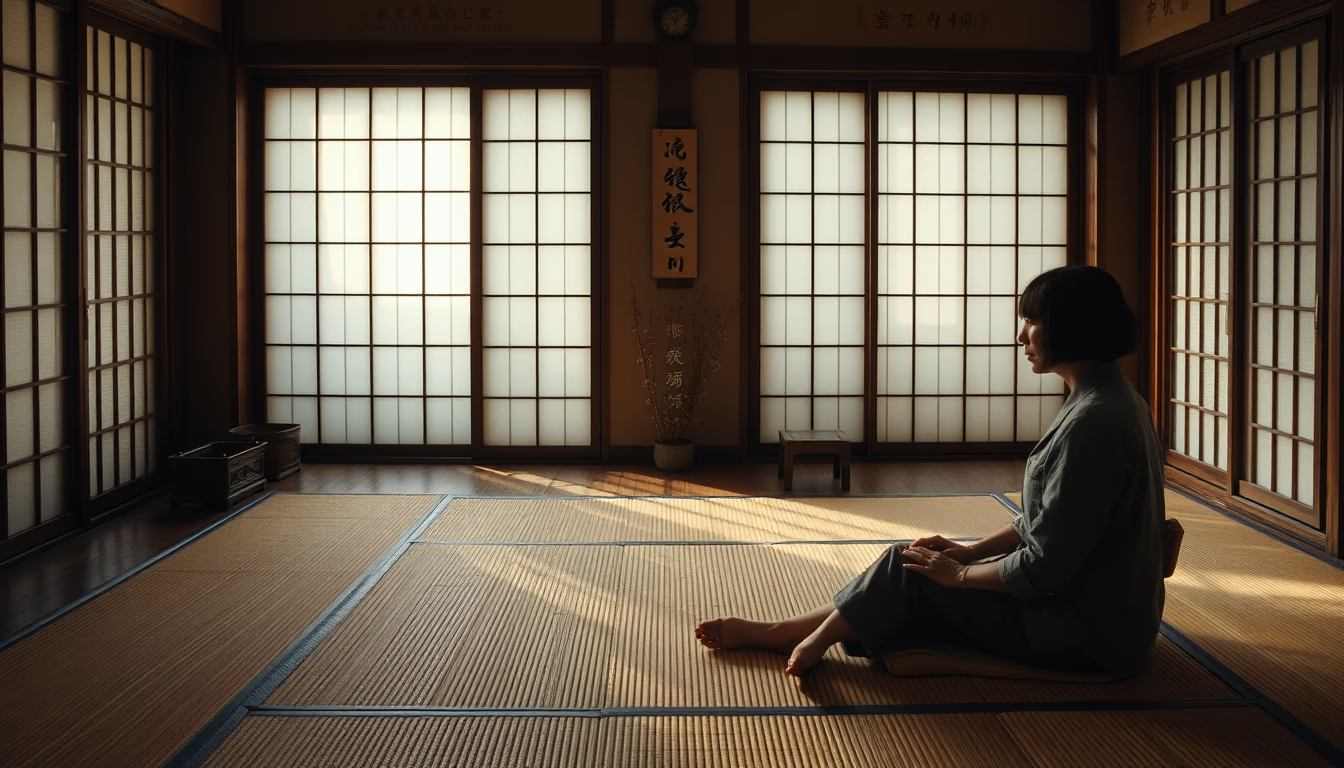
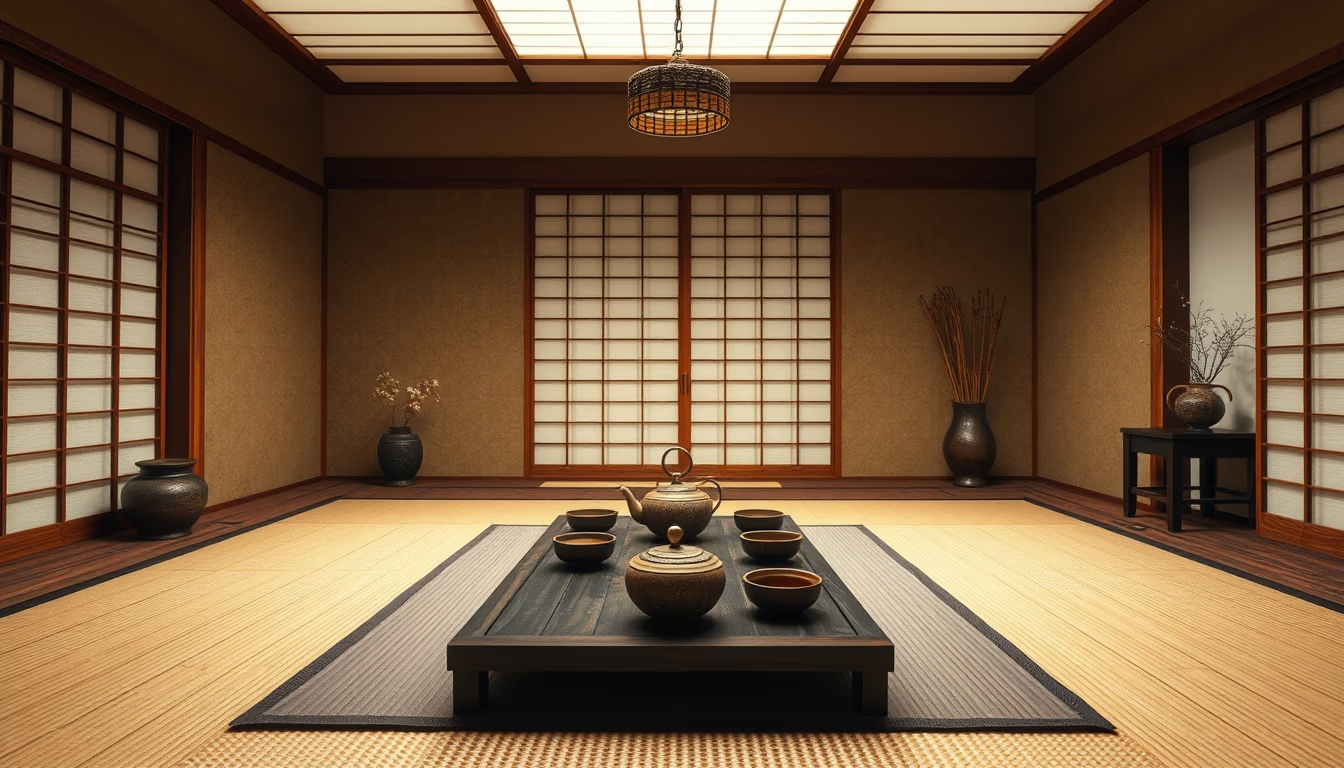
Tatami mats are traditional rice straw mats used in Japanese tea rooms, essential for the aesthetics and etiquette of chanoyu.
About this subject
Tatami is a central element in Japanese architecture and culture, especially in tea rooms (chashitsu). Made from compressed rice straw and covered with a rush grass (igusa) mat, tatami has standardized dimensions: the traditional size is approximately 1.82 m by 0.91 m, though regional variations exist. In the tea ceremony, the number of tatami mats determines the layout of the room: a 4.5-mat room (yojōhan) is standard for formal ceremonies. The arrangement of tatami follows strict rules: they are positioned to avoid the joints forming a cross, which is considered unlucky. Tatami also influences the posture of participants, who sit in seiza on them. Maintenance is careful: tatami are periodically flipped for uniform wear and replaced every 5-10 years. Artisanal tatami production is declining in Japan but remains valued in traditional contexts. The thickness and color of tatami can indicate the season or the host's status. In the tea ceremony, tatami is not just flooring but a support for social interaction and aesthetic appreciation, harmonizing with natural elements of the room such as the alcove (tokonoma) and seasonal flowers.
Frequently Asked Questions
What is the standard size of a tatami mat?
The traditional tatami measures approximately 1.82 m by 0.91 m, but regional variations exist, such as Kyoto tatami (1.91 m by 0.95 m) and Tokyo tatami (1.76 m by 0.88 m).
Why are tatami mats arranged in a specific way in a tea room?
The arrangement avoids joints forming a cross pattern, which is considered unlucky. Also, the count and position of the tatami define the ceremonial space, with rules for placement of the brazier, tea, and guests.
How does tatami influence the tea ceremony experience?
Tatami provides a soft, quiet surface essential for meditation and etiquette. The texture and smell of rush grass create a natural atmosphere. The seiza posture on tatami requires concentration and respect.
Direct URL
https://pub-c7d6a6ea828543ac903a74a341ccb2e1.r2.dev/imagens/tea-room-tatami-documentary-photography-fresh4.avifHow to credit
Include a visible link back to UtilizAí. Copy one of the snippets below:
<a href="https://xn--utiliza-eza.com/en/midia/imagens/tea-room-tatami-documentary-photography-fresh4">Tea room tatami</a> by <a href="https://xn--utiliza-eza.com">UtilizAí</a>, licensed under <a href="https://creativecommons.org/licenses/by/4.0/">CC BY 4.0</a>.
[Tea room tatami](https://xn--utiliza-eza.com/en/midia/imagens/tea-room-tatami-documentary-photography-fresh4) by [UtilizAí](https://xn--utiliza-eza.com), CC BY 4.0
License: CC-BY-4.0