Tea bricks china
1344×768 · AVIF · CC BY 4.0
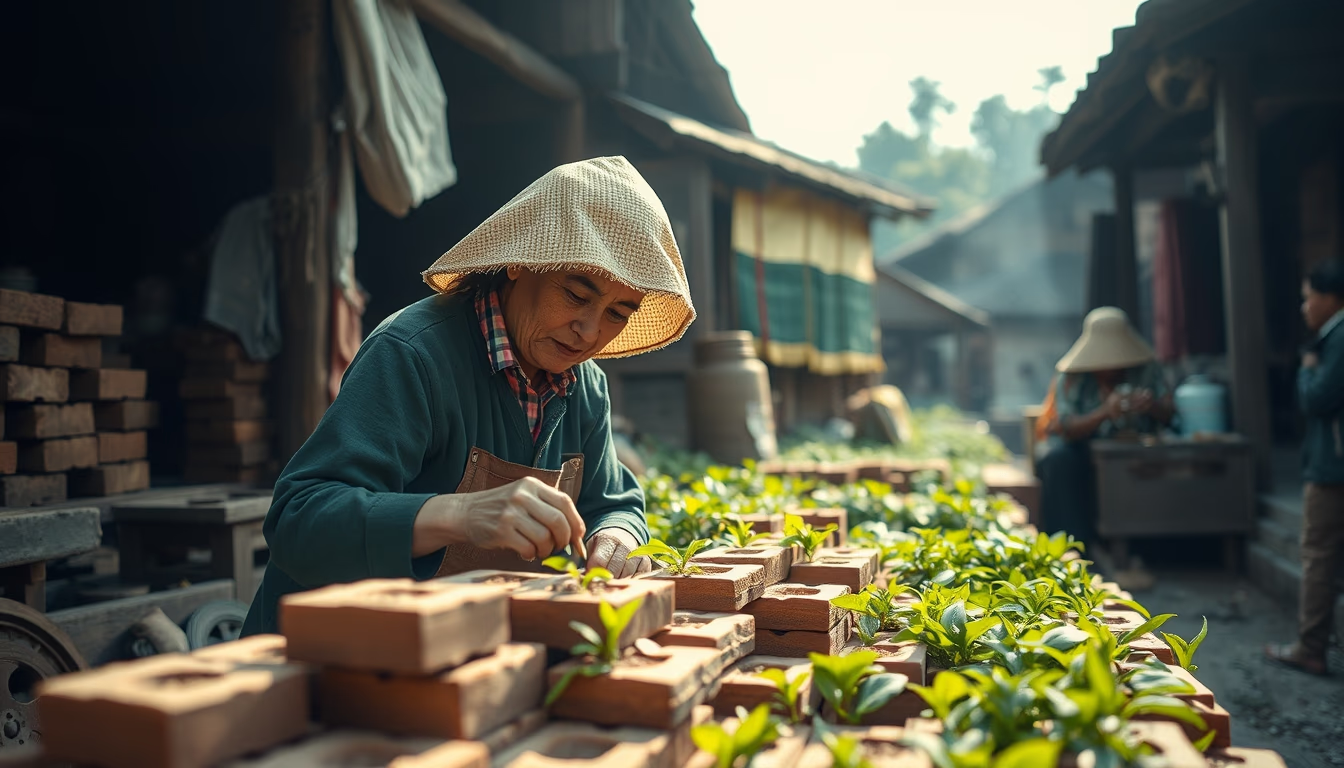
Compressed tea bricks served for centuries as currency and transport-friendly commodity across Asia, especially along the Tea Horse Road.
About this subject
Tea bricks, also known as compressed tea, are leaves pressed into solid forms. Originating in imperial China, they were designed to facilitate transport and storage, allowing tea to travel long distances without spoiling. The compaction reduced volume and protected leaves from moisture and pests.
Historically, these bricks played a crucial role in trade between China, Tibet, and Mongolia. On the Tea Horse Road, tea bricks were used as currency to exchange for horses and other goods. They were so valuable that smaller pieces could be broken off for daily transactions. In Tibet, compressed tea was often mixed with yak butter to create the national drink, butter tea.
Traditional production involves steaming the leaves, placing them in molds, and pressing with weights or machines. Different varieties, such as pu'er, are aged for years to develop complex flavors. The shape varies from round to square depending on region and purpose. To this day, artisans produce tea bricks for collectors and connoisseurs, keeping this ancient tradition alive.
Beyond economic value, tea bricks held cultural significance. They were given as diplomatic gifts and used in rituals. Symbols impressed on the surface indicated origin and quality, serving as authenticity seals. The practice of pressing tea remains popular, especially in Yunnan province, where pu'er tea is renowned for its aging potential.
Frequently Asked Questions
Why were tea bricks used as currency?
Tea bricks were compact, durable, and standardized, making them ideal for long-distance transport. Moreover, tea was highly demanded in consuming regions like Tibet and Mongolia, where it was essential for the diet.
How are tea bricks made?
Tea leaves are steamed to soften, placed in molds, and pressed under pressure. They are then dried and can be aged for months or years to develop flavor.
Can you still drink tea from ancient bricks?
Yes, if stored properly. Aged pu'er tea bricks are especially valued for their smooth and complex taste. However, very old bricks may have lost quality or become contaminated.
Direct URL
https://pub-c7d6a6ea828543ac903a74a341ccb2e1.r2.dev/imagens/tea-bricks-china-documentary-photography-fresh6.avifHow to credit
Include a visible link back to UtilizAí. Copy one of the snippets below:
<a href="https://xn--utiliza-eza.com/en/midia/imagens/tea-bricks-china-documentary-photography-fresh6">Tea bricks china</a> by <a href="https://xn--utiliza-eza.com">UtilizAí</a>, licensed under <a href="https://creativecommons.org/licenses/by/4.0/">CC BY 4.0</a>.
[Tea bricks china](https://xn--utiliza-eza.com/en/midia/imagens/tea-bricks-china-documentary-photography-fresh6) by [UtilizAí](https://xn--utiliza-eza.com), CC BY 4.0
License: CC-BY-4.0