Tea bricks china
1344×768 · AVIF · CC BY 4.0
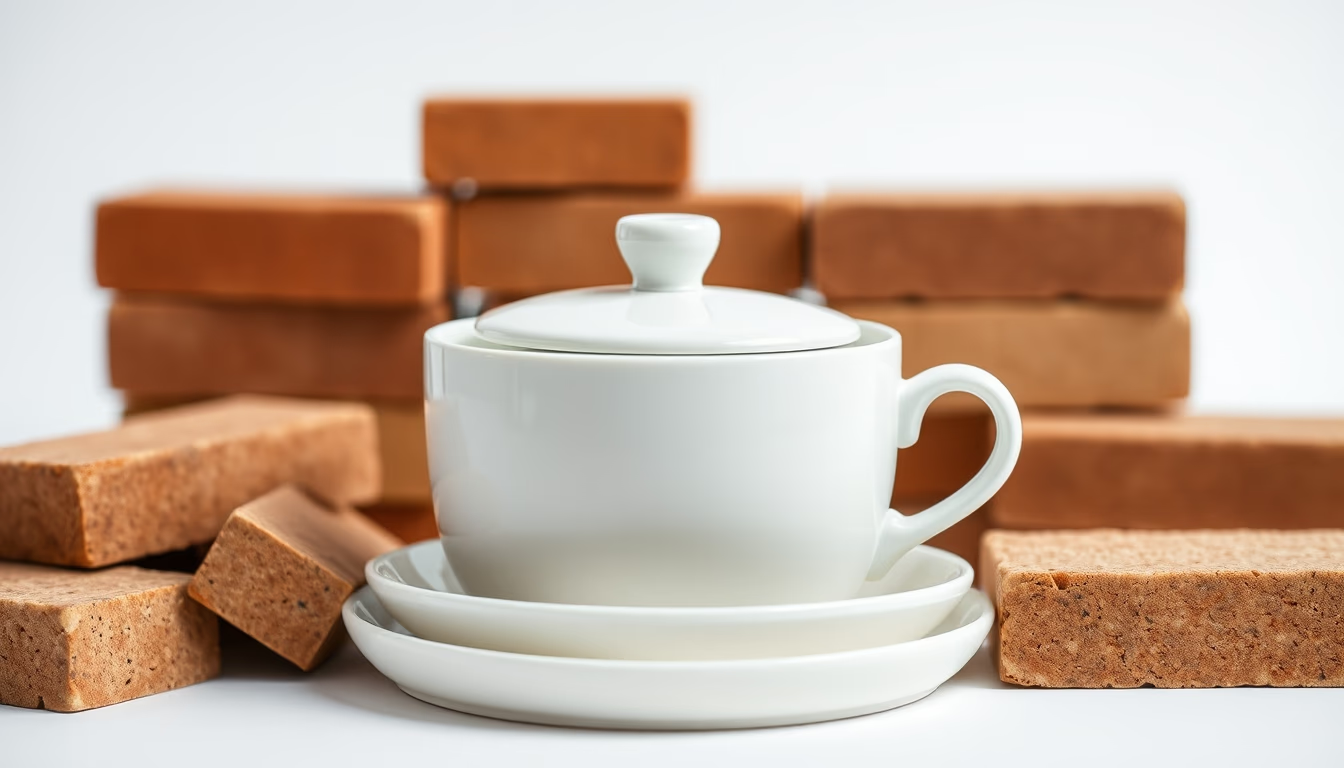
Tijolos de chá são blocos compactados de folhas de chá, usados historicamente na China como moeda e para transporte na Rota da Seda.
Sobre o tema
Os tijolos de chá, conhecidos como "zhuan cha" em chinês, são uma forma tradicional de processamento e armazenamento do chá, especialmente popular durante as dinastias Tang e Song. Sua origem remonta ao século VII, quando o chá era prensado em moldes para facilitar o transporte nas rotas comerciais da Rota da Seda. Esses blocos compactados podiam ser facilmente carregados por caravanas e trocados por peles, cavalos e outros bens nas regiões da Ásia Central.
O processo de fabricação envolve cozinhar as folhas de chá no vapor, triturá-las e prensá-las em moldes retangulares ou redondos sob alta pressão. Depois de secos, os tijolos podem ser envelhecidos por anos, desenvolvendo sabores complexos e terrosos. As principais variedades incluem o pu-erh cru (sheng) e o pu-erh cozido (shou), sendo este último submetido a uma fermentação acelerada. Os tijolos de pu-erh são particularmente valorizados na província de Yunnan, onde são produzidos.
Culturalmente, os tijolos de chá transcenderam o uso alimentar. Durante séculos, serviram como moeda corrente em regiões como Tibete e Mongólia, onde o chá era essencial para a dieta nômade. Grupos étnicos como os tibetanos raspavam pedaços do tijolo e ferviam com água, manteiga de iaque e sal para preparar o chá com manteiga. Na China imperial, os tijolos eram usados como tributo ao imperador e como presente diplomático.
Atualmente, os tijolos de chá experimentam um renascimento entre colecionadores e apreciadores. Tijolos antigos de pu-erh podem alcançar altos preços em leilões, e sua produção é regulada por denominações de origem. A prática de envelhecer o chá em tijolos confere um caráter único, comparável ao vinho. Além de Yunnan, outras regiões como Hunan e Hubei também produzem tijolos de chá, cada qual com perfil de sabor distinto. O consumo moderno inclui tanto a raspagem para infusão quanto a moagem para uso em chás em pó.
Perguntas frequentes
Como os tijolos de chá são feitos?
As folhas de chá são cozidas no vapor, trituradas e prensadas em moldes sob alta pressão. Depois de secos, os tijolos podem ser envelhecidos para desenvolver sabor.
Por que os tijolos de chá eram usados como moeda?
Eram duráveis, padronizados e fáceis de transportar, ideais para regiões onde o chá era essencial, como Tibete e Mongólia, onde serviam como meio de troca.
Qual a diferença entre pu-erh cru e cozido?
O pu-erh cru (sheng) é envelhecido naturalmente por anos; já o cozido (shou) passa por fermentação acelerada, resultando em sabor mais suave e terroso em menos tempo.
URL direta
https://pub-c7d6a6ea828543ac903a74a341ccb2e1.r2.dev/imagens/tea-bricks-china-commercial-product-photography-fresh14.avifComo creditar
Inclua um link visível de volta pro UtilizAí. Copie um dos snippets abaixo:
<a href="https://xn--utiliza-eza.com/midia/imagens/tea-bricks-china-commercial-product-photography-fresh14">Tea bricks china</a> by <a href="https://xn--utiliza-eza.com">UtilizAí</a>, licensed under <a href="https://creativecommons.org/licenses/by/4.0/">CC BY 4.0</a>.
[Tea bricks china](https://xn--utiliza-eza.com/midia/imagens/tea-bricks-china-commercial-product-photography-fresh14) by [UtilizAí](https://xn--utiliza-eza.com), CC BY 4.0
Licença: CC-BY-4.0