Tapestry medieval flemish
1344×768 · AVIF · CC BY 4.0
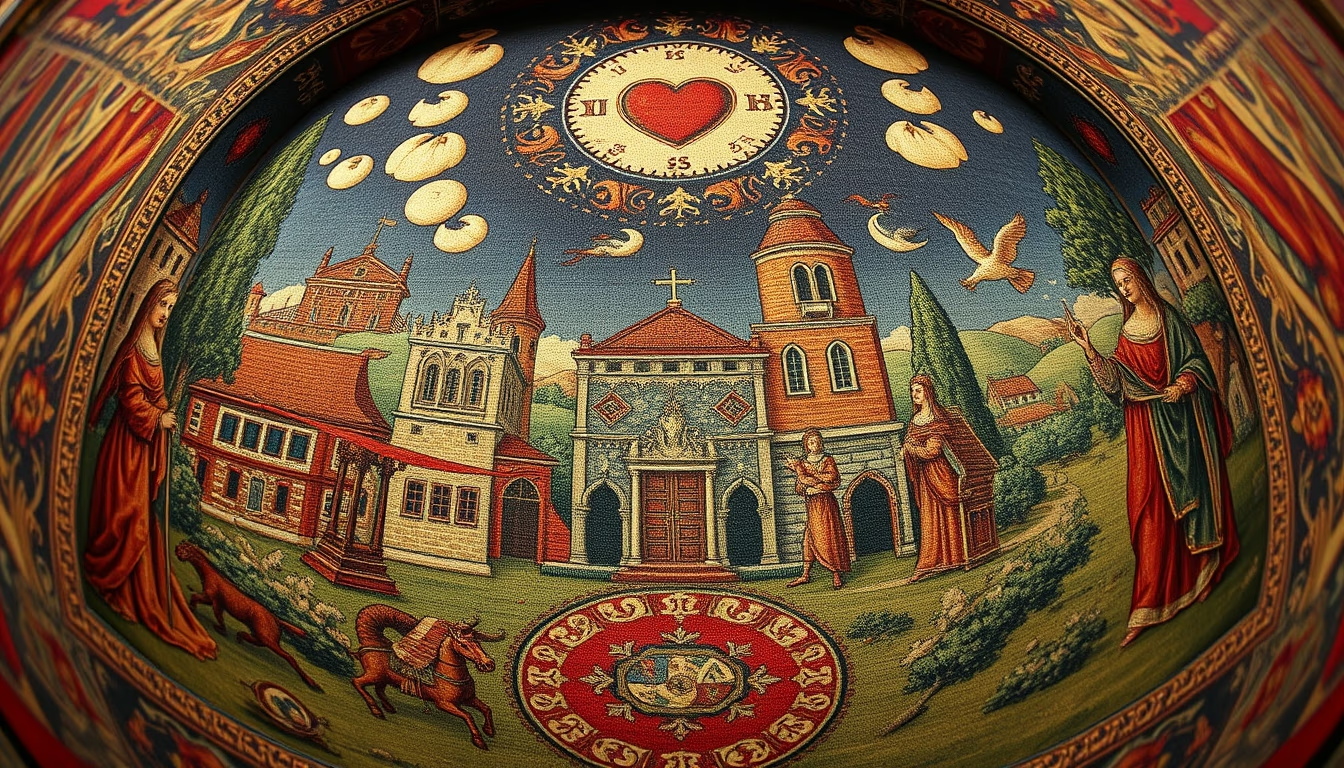
Medieval Flemish tapestry stands as one of Europe's most refined textile legacies, blending intricate technique with historical and mythological narratives.
About this subject
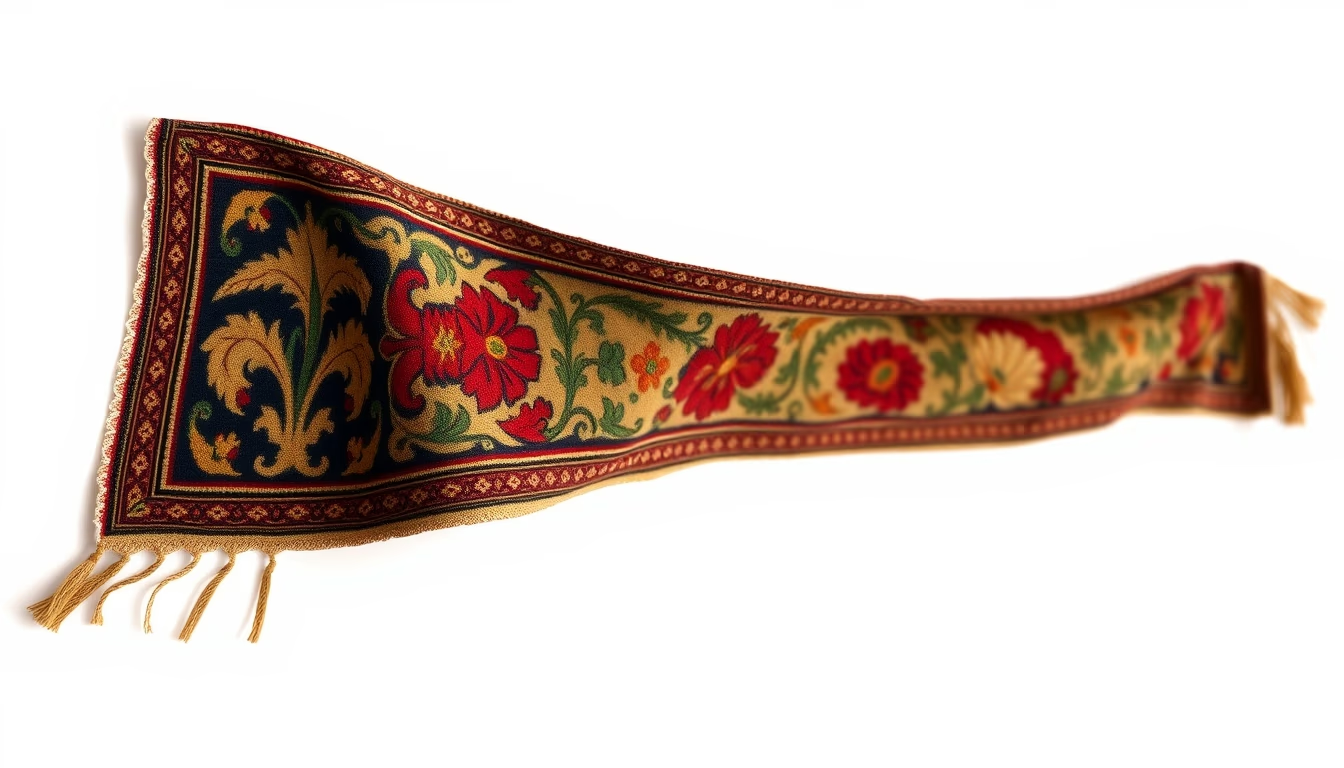
Flemish tapestries woven between the 14th and 16th centuries are considered masterpieces of Western textile art. Originating from Flanders, now parts of Belgium and northern France, these pieces were hand-loomed using wool, silk, and occasionally metallic threads of gold and silver. The city of Bruges, along with Arras and Tournai, became renowned production centers supplying royal and noble courts across Europe. Commissions often depicted battle scenes, biblical episodes, or allegories, serving both as thermal insulation in drafty castles and as displays of power and erudition.
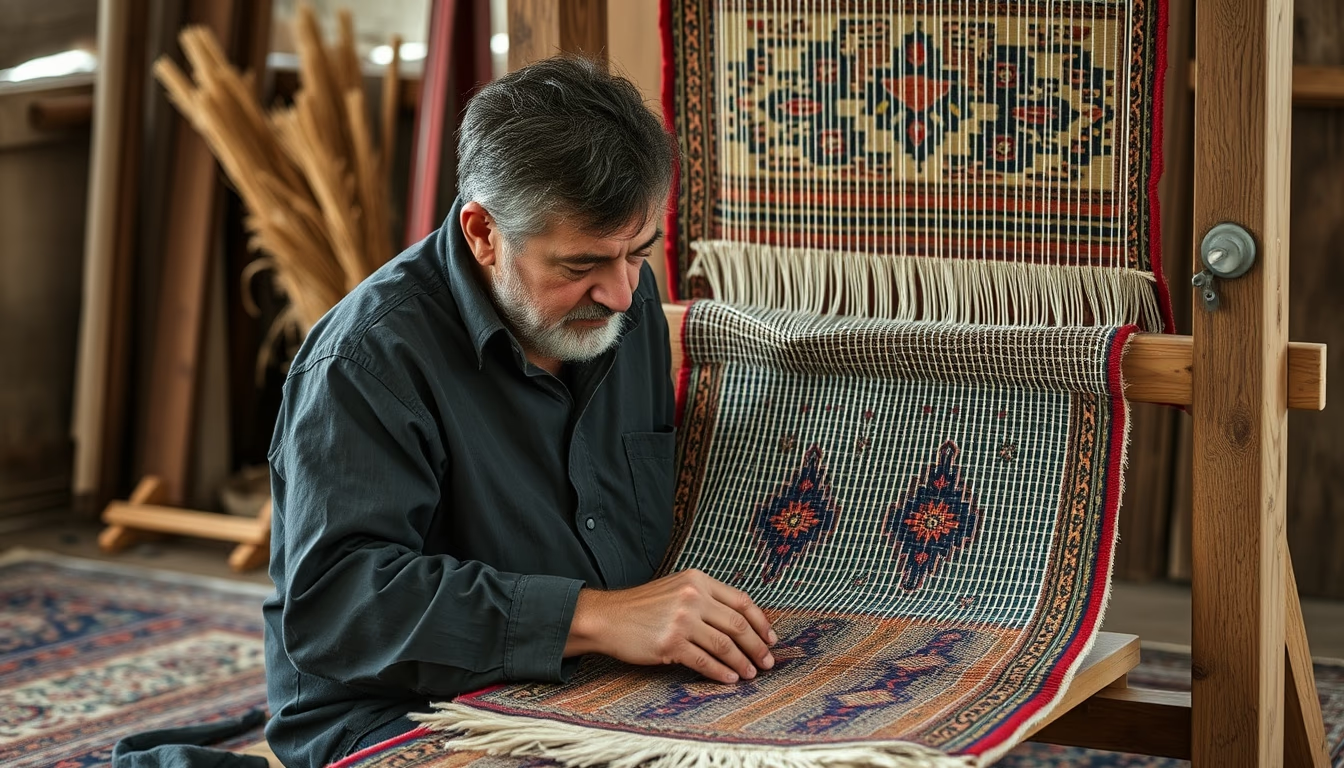
The weaving technique, known as high-warp (haute-lisse) tapestry, allowed for minute details and a rich color palette derived from natural dyes such as madder (red), woad (blue), and weld (yellow). A medium-sized tapestry could take years to complete by a team of weavers who strictly followed designs provided by painters called cartoonists. This collaboration between art and craftsmanship elevated Flemish tapestries to luxury goods as valuable as oil paintings.
Among the most famous works is 'The Lady and the Unicorn' series from the late 15th century, now at the Musée de Cluny in Paris. Although more associated with France, its production was influenced by the Flemish style. Another iconic example is the Bayeux Tapestry, though older (11th century) and of Norman origin. Flemish tapestries not only adorned but also communicated: illiterate viewers could 'read' the woven stories, and heraldic symbols identified patrons. The genre declined in the 17th century with the rise of French manufactories like the Gobelins, but the Flemish legacy remains an unsurpassed benchmark of quality and artistic expression.
Frequently Asked Questions
How were Flemish tapestries made?
They were hand-loomed using wool, silk, and precious metal threads. Weavers followed cartoonists' designs, and a medium piece could take years to complete.
Why were Flemish tapestries so valuable?
Due to the required skill, use of expensive materials like silk and gold threads, and long production time. They were status symbols commissioned by royalty and nobility.
Where can I see famous examples of Flemish tapestries?
At museums such as the Metropolitan Museum of Art (New York), the Victoria and Albert Museum (London), and the Musée de Cluny (Paris), as well as castles and cathedrals in Europe.
Direct URL
https://pub-c7d6a6ea828543ac903a74a341ccb2e1.r2.dev/imagens/tapestry-medieval-flemish-fish-eye-wide-angle-fresh7.avifHow to credit
Include a visible link back to UtilizAí. Copy one of the snippets below:
<a href="https://xn--utiliza-eza.com/en/midia/imagens/tapestry-medieval-flemish-fish-eye-wide-angle-fresh7">Tapestry medieval flemish</a> by <a href="https://xn--utiliza-eza.com">UtilizAí</a>, licensed under <a href="https://creativecommons.org/licenses/by/4.0/">CC BY 4.0</a>.
[Tapestry medieval flemish](https://xn--utiliza-eza.com/en/midia/imagens/tapestry-medieval-flemish-fish-eye-wide-angle-fresh7) by [UtilizAí](https://xn--utiliza-eza.com), CC BY 4.0
License: CC-BY-4.0