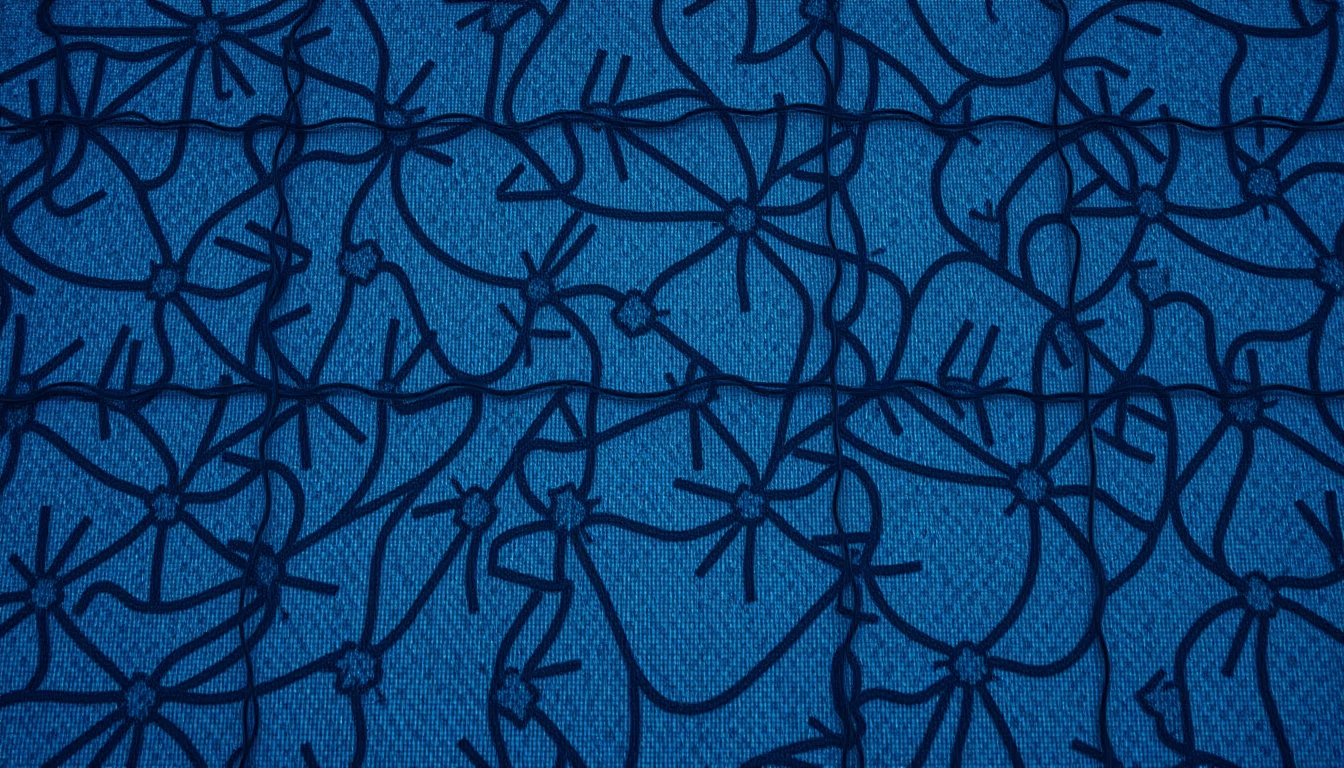
Tapestry medieval flemish
1344×768 · AVIF · CC BY 4.0
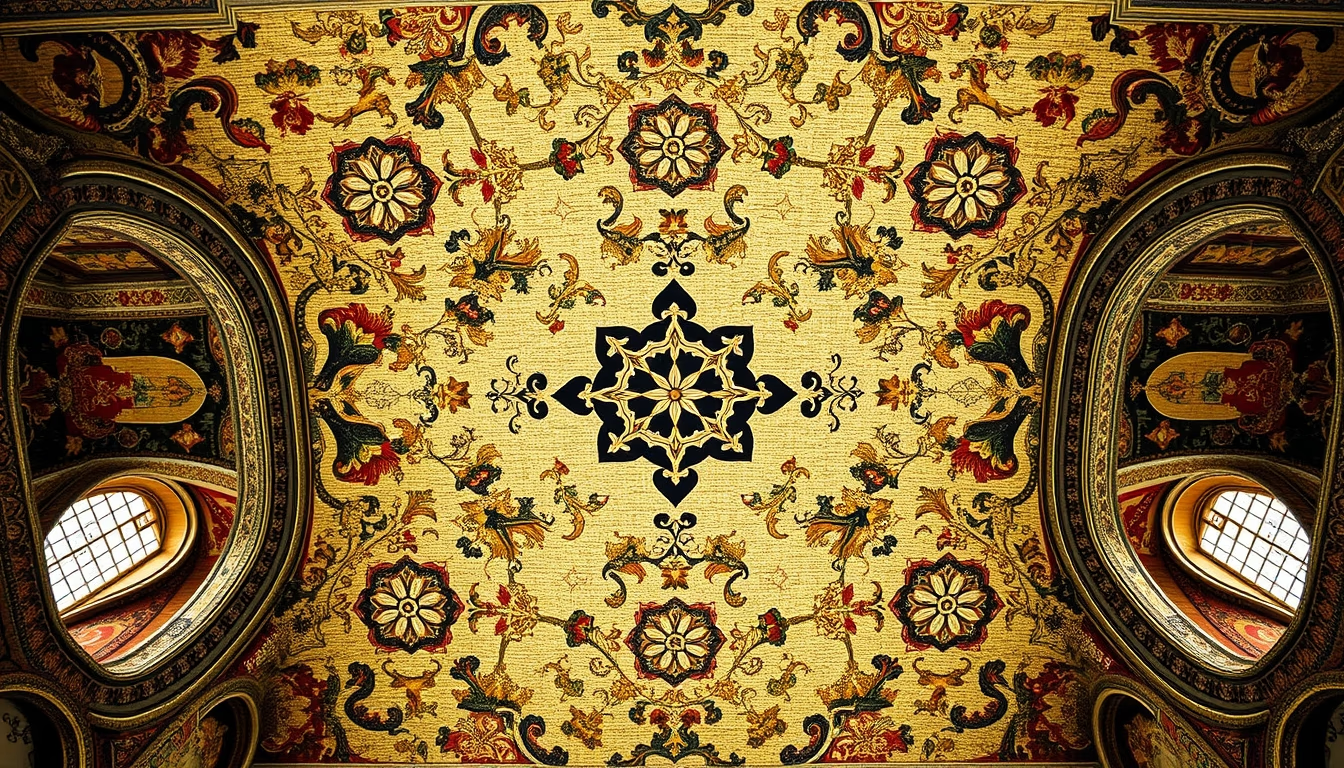
Medieval Flemish tapestry represents one of the most refined artistic expressions of northern Europe between the 14th and 16th centuries, weaving historical and mythological narratives with wool and silk threads.
About this subject
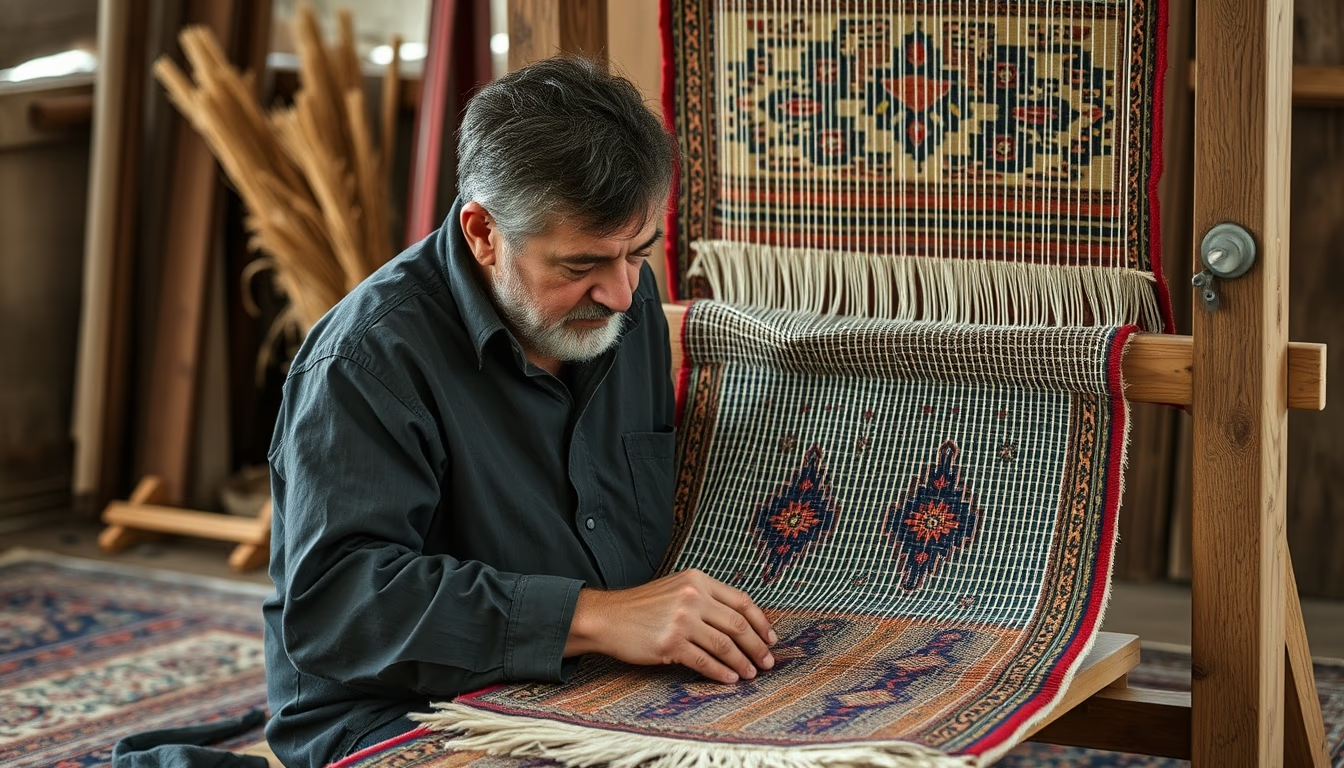
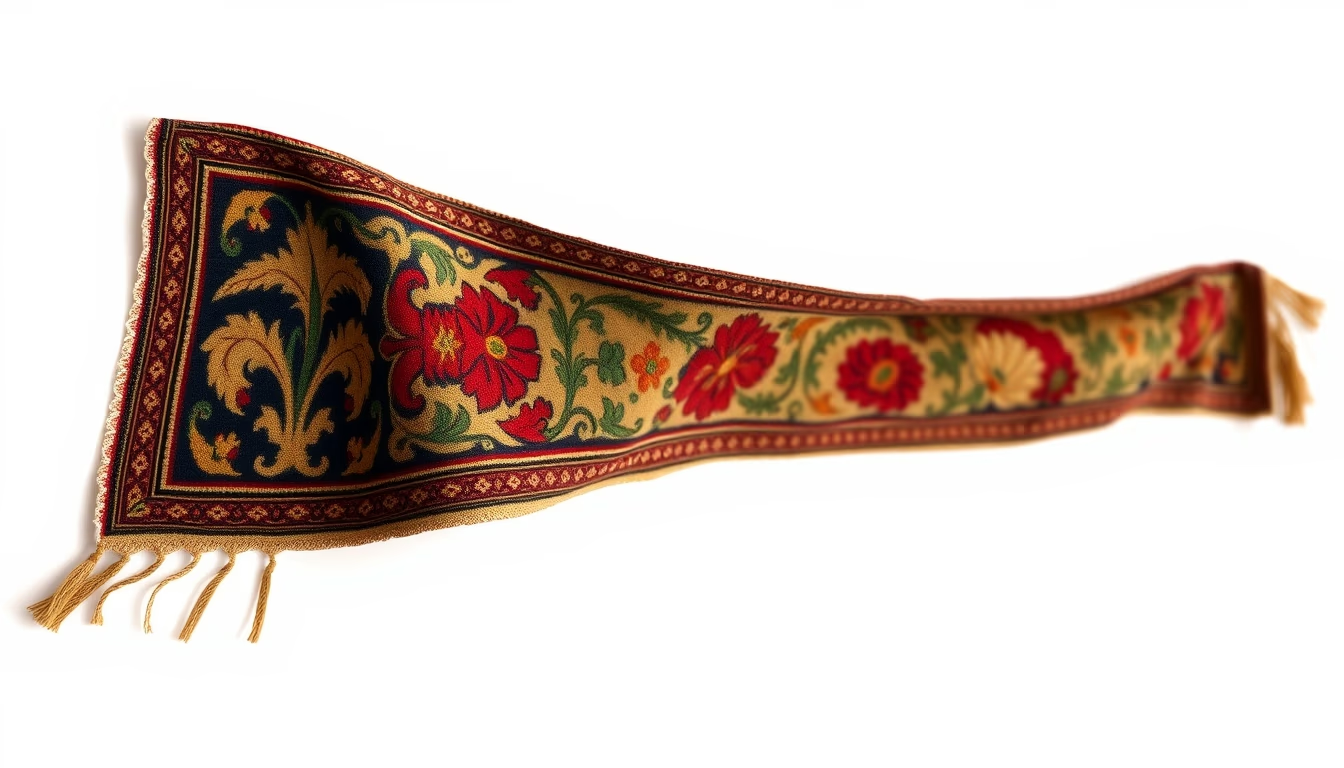
Medieval Flemish tapestries were produced mainly in the textile centers of Flanders, such as Brussels, Tournai, and Arras, between the 14th and 16th centuries. These works were handwoven on looms using wool threads dyed with natural pigments, often enriched with silk threads and, in more luxurious pieces, with gold and silver threads. Themes ranged from religious and biblical scenes to episodes from classical mythology, historical battles, and courtly allegories. One of the most famous series is "The Lady and the Unicorn," though of French patronage, it was woven in Flanders. Tapestries served not only as decoration but also as thermal insulation in castles and churches, and as symbols of wealth and power. Patrons were often nobility and clergy, who used these pieces to display status and tell stories that reinforced their lineage or faith.
The creation process was extremely time-consuming: a medium-sized tapestry could take years to complete by a team of weavers. Designs were provided by renowned painters, who created full-scale cartoons. Among the artists who supplied tapestry designs are Bernard van Orley and Pieter van Aelst. Vibrant colors were obtained from plants such as madder (red), woad (blue), and saffron (yellow). The durability of these pieces is remarkable: many have survived for centuries, though they have suffered from light and moisture exposure.
Today, medieval Flemish tapestries are spread across museums worldwide, including the Musée de Cluny in Paris, the Metropolitan Museum of Art in New York, the Kunsthistorisches Museum in Vienna, and the Rijksmuseum in Amsterdam. Art historians study them as primary sources to understand the iconography, fashion, daily life, and textile techniques of the era. Preserving these works is challenging, requiring controlled temperature and humidity, as well as specialized restoration to repair worn threads or faded colors. The legacy of Flemish tapestries influenced European textile production for centuries and continues to inspire contemporary artists.
Frequently Asked Questions
How were medieval Flemish tapestries made?
They were handwoven on looms using wool threads dyed with natural pigments, often including silk and precious metals. Designs were based on cartoons provided by painters.
What was the cultural significance of Flemish tapestries?
They served as thermal insulation, decoration, and status symbols. They also told religious and secular stories, functioning as a visual medium of the era.
Where can I see medieval Flemish tapestries today?
In museums such as the Musée de Cluny (Paris), Metropolitan Museum of Art (New York), Kunsthistorisches Museum (Vienna), and Rijksmuseum (Amsterdam).
Direct URL
https://pub-c7d6a6ea828543ac903a74a341ccb2e1.r2.dev/imagens/tapestry-medieval-flemish-architectural-photography-fresh1.avifHow to credit
Include a visible link back to UtilizAí. Copy one of the snippets below:
<a href="https://xn--utiliza-eza.com/en/midia/imagens/tapestry-medieval-flemish-architectural-photography-fresh1">Tapestry medieval flemish</a> by <a href="https://xn--utiliza-eza.com">UtilizAí</a>, licensed under <a href="https://creativecommons.org/licenses/by/4.0/">CC BY 4.0</a>.
[Tapestry medieval flemish](https://xn--utiliza-eza.com/en/midia/imagens/tapestry-medieval-flemish-architectural-photography-fresh1) by [UtilizAí](https://xn--utiliza-eza.com), CC BY 4.0
License: CC-BY-4.0