Taj mahal symmetric reflection
1344×768 · AVIF · CC BY 4.0
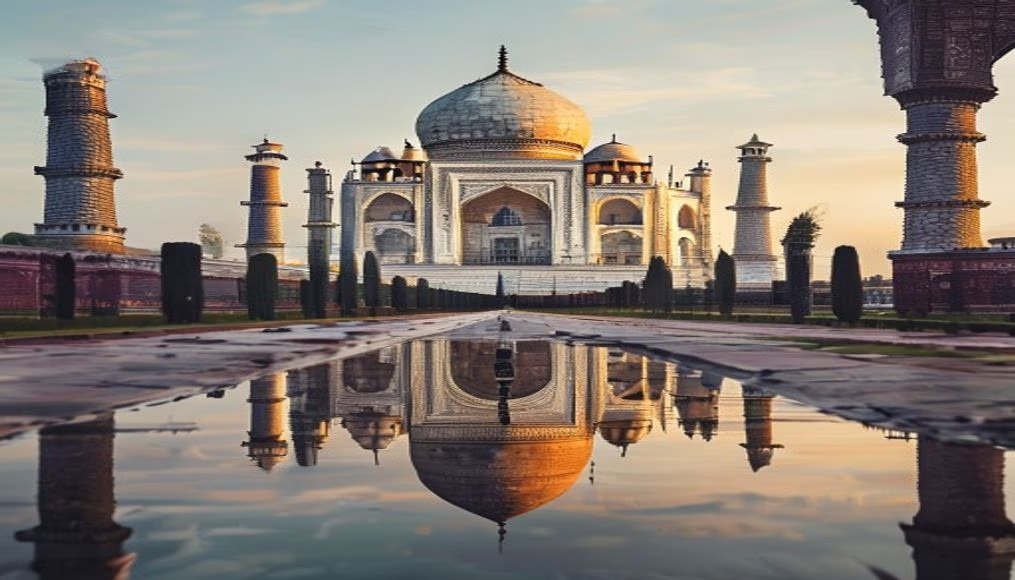
The Taj Mahal in Agra is a white marble mausoleum renowned for its perfect symmetry and reflections in the water channels.
About this subject
The Taj Mahal was built between 1631 and 1648 by Mughal emperor Shah Jahan in memory of his wife Mumtaz Mahal. Located in Agra, India, the complex is a supreme example of Mughal architecture, blending Islamic, Persian, and Indian elements. Bilateral symmetry is a striking feature: the main building is flanked by two identical minarets and a Charbagh garden with water channels that reflect the structure, creating a mirrored image. The white Makrana marble is inlaid with semiprecious stones in floral patterns and calligraphy.
The central dome, 35 meters high, is surrounded by four smaller domes and has a typical Mughal bulb shape. The reflections in the water tanks are intentional: the channels represent the rivers of Paradise in Islamic tradition. The mausoleum changes color throughout the day, from pinkish to white, depending on sunlight. Over 20,000 artisans are believed to have worked on the construction, with materials brought from across Asia.
Symmetry in the Taj Mahal is not absolute: the tomb of Shah Jahan was added later next to Mumtaz Mahal's, breaking perfect internal symmetry. However, the external visual perception maintains the illusion of balance. UNESCO declared the Taj Mahal a World Heritage Site in 1983, and it is visited by millions of tourists annually. Agra faces pollution challenges that threaten the marble's conservation, leading to measures such as restricting vehicles nearby.
Frequently Asked Questions
Why is the Taj Mahal symmetrical?
The symmetry represents divine order and the perfection of paradise in Islamic culture. The gardens and water channels reflect the belief that paradise is a garden with rivers.
What is the best time to see the Taj Mahal's reflection?
At dawn, when the light is soft and the water channels are calm, the reflection is clearest. Sunrise offers the most famous view.
Is the Taj Mahal threatened by pollution?
Yes, air pollution in Agra causes yellowing of the marble. Measures such as closing factories and restricting vehicles help protect the monument.
Direct URL
https://pub-c7d6a6ea828543ac903a74a341ccb2e1.r2.dev/imagens/taj-mahal-symmetric-reflection-street-photography-v11.avifHow to credit
Include a visible link back to UtilizAí. Copy one of the snippets below:
<a href="https://xn--utiliza-eza.com/en/midia/imagens/taj-mahal-symmetric-reflection-street-photography-v11">Taj mahal symmetric reflection</a> by <a href="https://xn--utiliza-eza.com">UtilizAí</a>, licensed under <a href="https://creativecommons.org/licenses/by/4.0/">CC BY 4.0</a>.
[Taj mahal symmetric reflection](https://xn--utiliza-eza.com/en/midia/imagens/taj-mahal-symmetric-reflection-street-photography-v11) by [UtilizAí](https://xn--utiliza-eza.com), CC BY 4.0
License: CC-BY-4.0