Taj mahal symmetric reflection
1344×768 · AVIF · CC BY 4.0
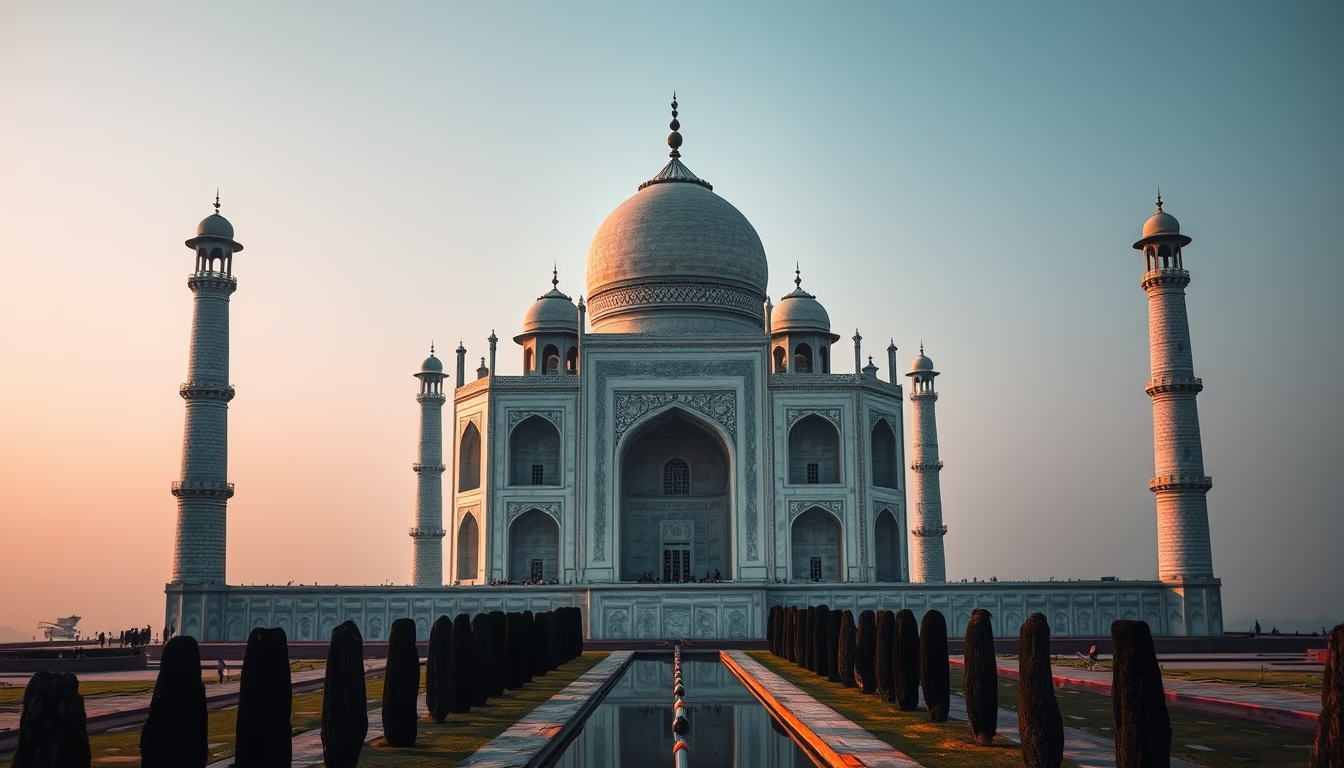
The Taj Mahal, one of India's most iconic monuments, reflects its symmetrical beauty in a serene lake.
About this subject
The Taj Mahal is a white marble mausoleum built in Agra, India, between 1632 and 1653 by Mughal emperor Shah Jahan in memory of his wife, Mumtaz Mahal. Its architecture is a masterpiece of Mughal style, combining Persian, Indian, and Islamic elements. The symmetry of the Taj Mahal is one of its most striking features, with the central mausoleum and gardens arranged in a harmonious and balanced manner. The reflection of the Taj Mahal in a tranquil lake creates an image of rare beauty and serenity.
Frequently Asked Questions
What is the Taj Mahal?
The Taj Mahal is a white marble mausoleum built in Agra, India, by Mughal emperor Shah Jahan in memory of his wife.
What is the architectural style of the Taj Mahal?
The Taj Mahal is a masterpiece of Mughal style, combining Persian, Indian, and Islamic elements.
Why is the symmetry of the Taj Mahal important?
The symmetry of the Taj Mahal is one of its most striking features, representing harmony and balance.
Direct URL
https://pub-c7d6a6ea828543ac903a74a341ccb2e1.r2.dev/imagens/taj-mahal-symmetric-reflection-fine-art-photography-v7.avifHow to credit
Include a visible link back to UtilizAí. Copy one of the snippets below:
<a href="https://xn--utiliza-eza.com/en/midia/imagens/taj-mahal-symmetric-reflection-fine-art-photography-v7">Taj mahal symmetric reflection</a> by <a href="https://xn--utiliza-eza.com">UtilizAí</a>, licensed under <a href="https://creativecommons.org/licenses/by/4.0/">CC BY 4.0</a>.
[Taj mahal symmetric reflection](https://xn--utiliza-eza.com/en/midia/imagens/taj-mahal-symmetric-reflection-fine-art-photography-v7) by [UtilizAí](https://xn--utiliza-eza.com), CC BY 4.0
License: CC-BY-4.0