Taj mahal symmetric reflection
1344×768 · AVIF · CC BY 4.0
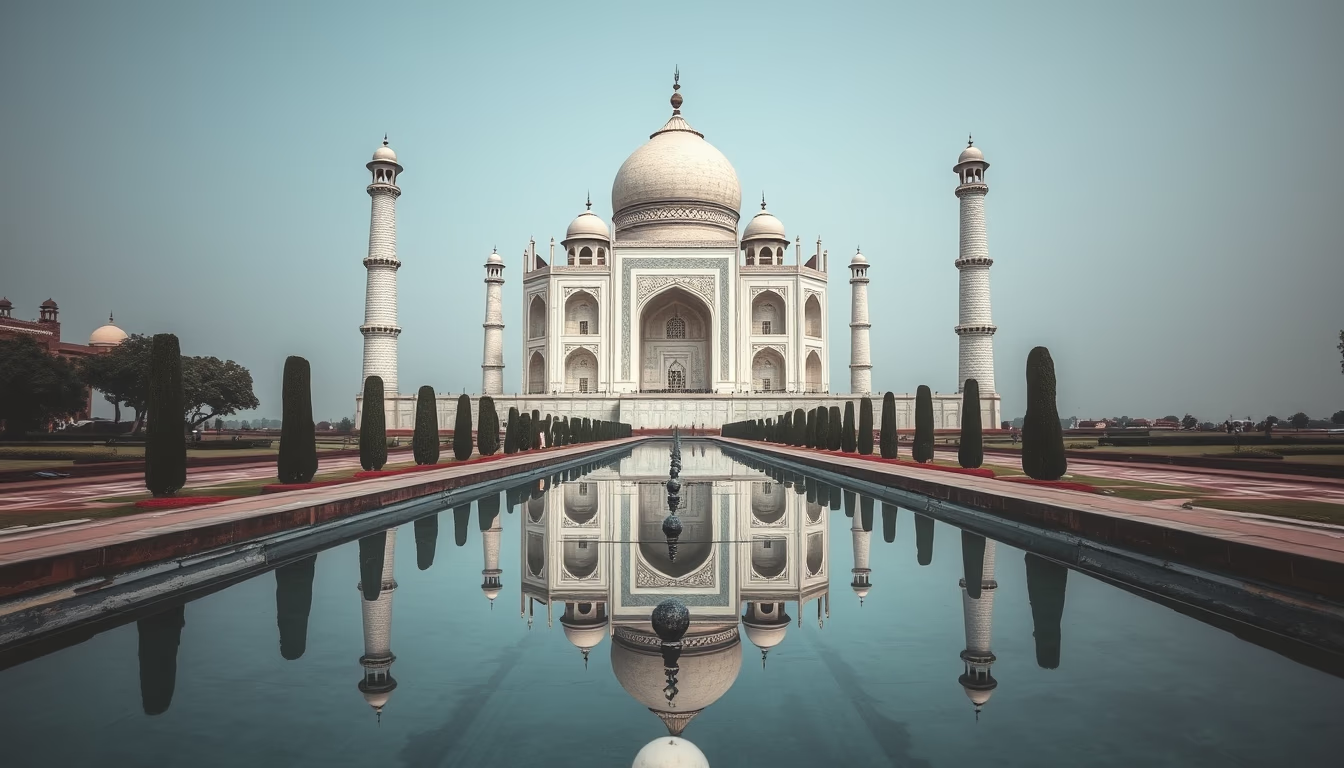
The Taj Mahal, a white marble mausoleum in Agra, is a global icon of Mughal architecture and a symbol of eternal love.
About this subject
The Taj Mahal was built between 1632 and 1653 by Mughal emperor Shah Jahan in memory of his wife Mumtaz Mahal. Located on the banks of the Yamuna River in Agra, India, the complex is a masterpiece of Islamic, Persian, Indian, and Turkish architecture. The central white marble dome, 35 meters high, is flanked by four minarets that lean slightly outward to protect the tomb in case of collapse. Symmetry is a crucial design element: the main building is perfectly mirrored in a central reflecting pool, creating an illusion of floating. This pool, part of the Chahar Bagh (four gardens), not only embellishes the site but also represents the rivers of Paradise in Islam. The Taj Mahal has been a UNESCO World Heritage Site since 1983 and attracts millions of visitors annually. It is believed that over 20,000 artisans worked on its construction, using materials from around the world, including jade from China, crystal from the Himalayas, and turquoise from Tibet.
The choice of white marble was not merely aesthetic: it reflects different colors throughout the day, from pink at dawn to golden at dusk. The combination of semi-precious stone inlays in floral patterns (pietra dura) demonstrates the skill of Mughal artisans. The central funerary chamber houses the tombs of Shah Jahan and Mumtaz Mahal, though their bodies lie in underground crypts. The Taj Mahal also exemplifies architecture that blends Hindu and Islamic elements, such as chhatris (elevated pavilions) and arabesques. The symmetry reflects the Mughal belief in divine order and universal harmony, making the monument not just a tomb but a meditation on life and death.
Frequently Asked Questions
Why was the Taj Mahal built?
It was built by Mughal emperor Shah Jahan as a mausoleum for his favorite wife, Mumtaz Mahal, who died during childbirth in 1631.
Is the Taj Mahal perfectly symmetrical?
Yes, the main building is symmetrical on all axes, except for Shah Jahan's tomb, which was added later and breaks the interior symmetry.
What is the significance of the reflecting pool at the Taj Mahal?
The central reflecting pool not only creates a spectacular mirrored image but also represents the rivers of Paradise in the Islamic Chahar Bagh garden.
Direct URL
https://pub-c7d6a6ea828543ac903a74a341ccb2e1.r2.dev/imagens/taj-mahal-symmetric-reflection-architectural-photography-p12.avifHow to credit
Include a visible link back to UtilizAí. Copy one of the snippets below:
<a href="https://xn--utiliza-eza.com/en/midia/imagens/taj-mahal-symmetric-reflection-architectural-photography-p12">Taj mahal symmetric reflection</a> by <a href="https://xn--utiliza-eza.com">UtilizAí</a>, licensed under <a href="https://creativecommons.org/licenses/by/4.0/">CC BY 4.0</a>.
[Taj mahal symmetric reflection](https://xn--utiliza-eza.com/en/midia/imagens/taj-mahal-symmetric-reflection-architectural-photography-p12) by [UtilizAí](https://xn--utiliza-eza.com), CC BY 4.0
License: CC-BY-4.0