Taiko drum japanese
1344×768 · AVIF · CC BY 4.0
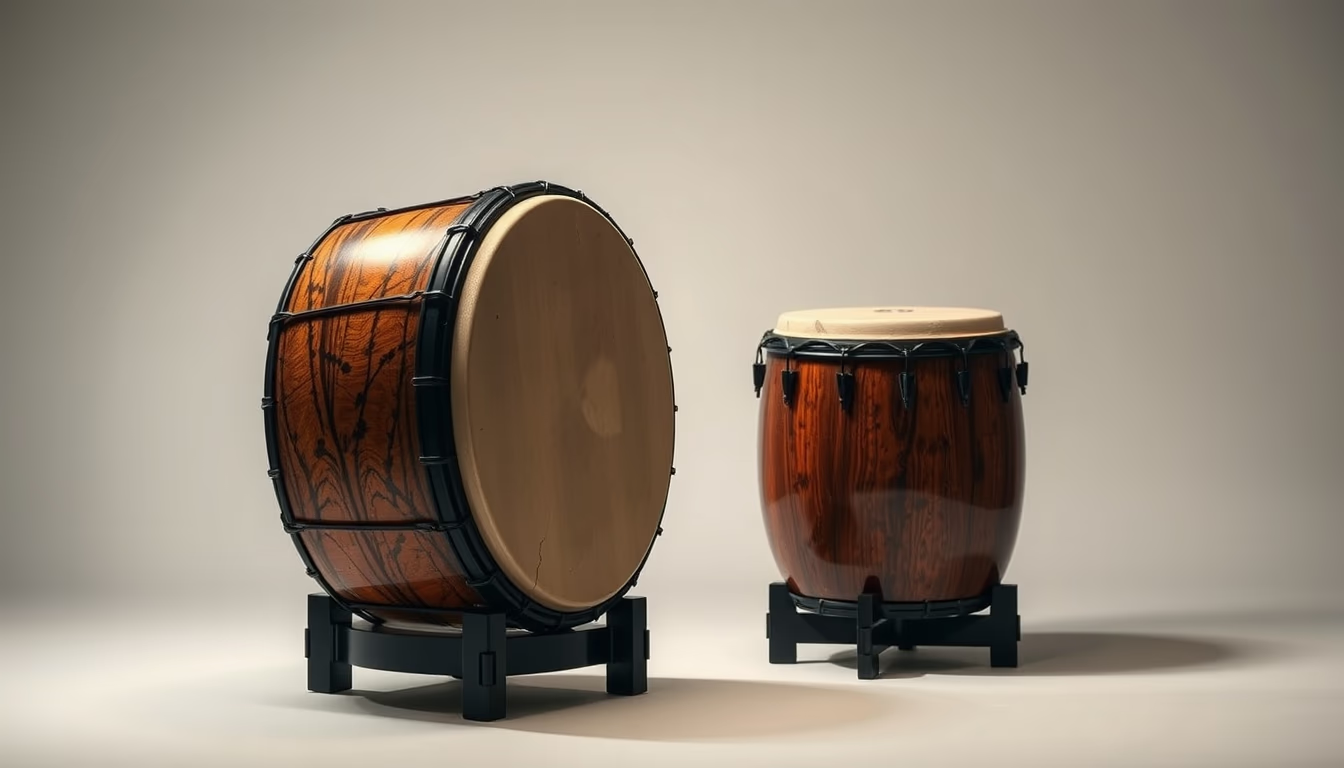
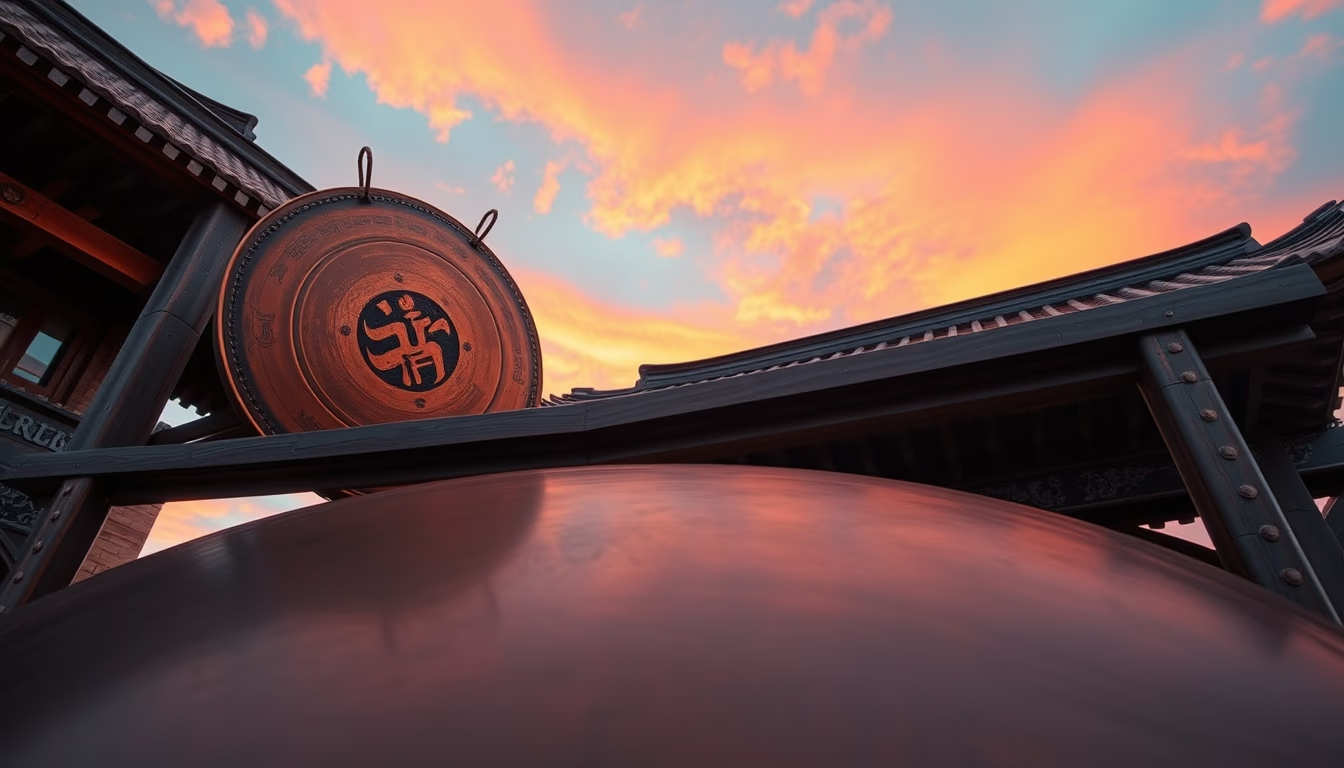
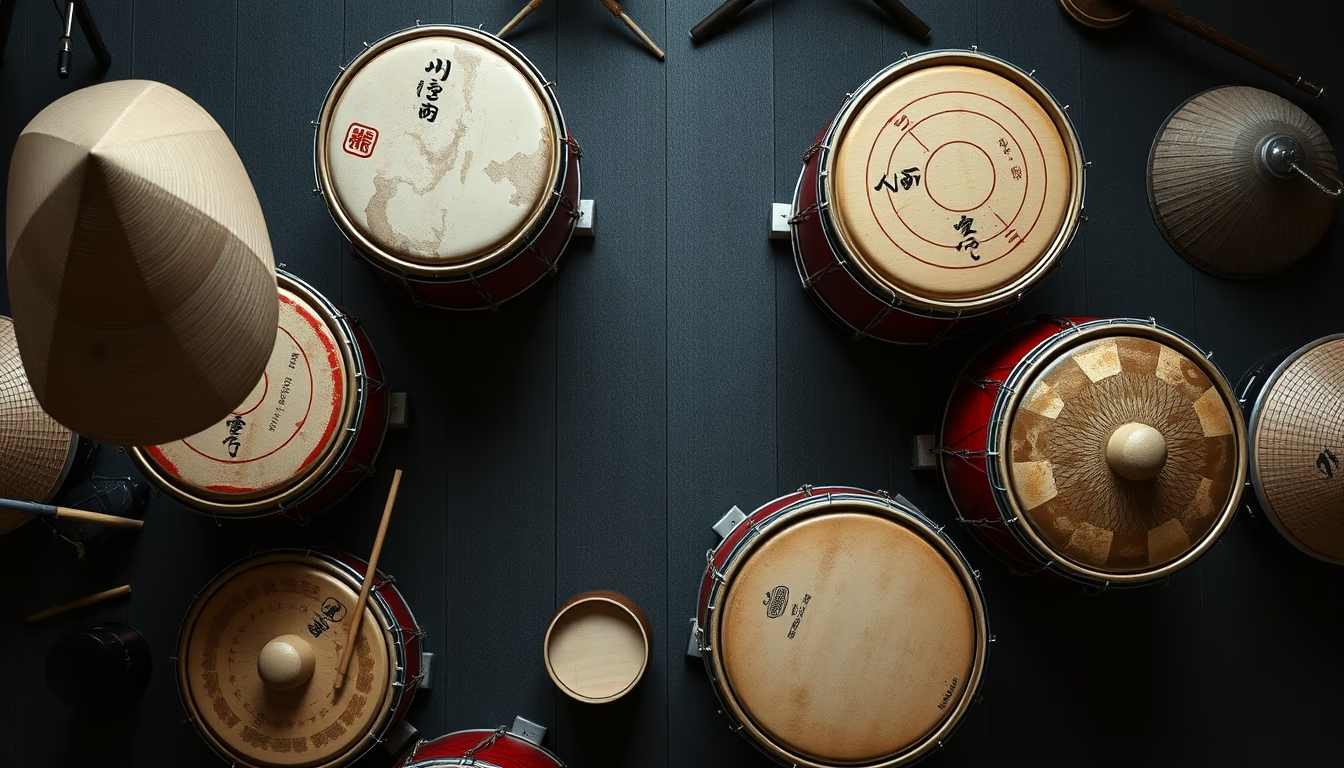
Taiko is a traditional Japanese drum used in festivals, religious ceremonies, and artistic performances, with centuries of history.
About this subject
Taiko, literally meaning 'big drum' in Japanese, is a percussion instrument with ancient origins. Its history dates back to the Yayoi period (300 BCE - 300 CE), when drums were used in Shinto and Buddhist rituals to mark seasons or ward off evil spirits. Over time, taiko expanded into military contexts, where it coordinated troops and intimidated enemies, and into community celebrations such as obon, a dance festival for ancestors.
There are several types of taiko, differentiated by size, shape, and tuning. The nagado-daiko is the most common, cylindrical and made from a single hollowed log, with cowhide or horsehide stretched and tacked. The shime-daiko is smaller, with screws for tension adjustment, used in more technical performances. Craftsmanship remains highly valued, with artisans dedicated to carving and treating wood to achieve specific resonance.
Modern kumi-daiko, or ensemble taiko, emerged in post-war Japan, especially from the 1950s, with groups like Ondekoza and Kodo revitalizing the drum as artistic performance. Today, taiko is practiced worldwide, with communities preserving traditional techniques while innovating choreography and music. Players use wooden sticks called bachi and perform strikes that explore volume and rhythm dynamics, often accompanied by shouts (kiai) that energize the performance.
Taiko's cultural significance extends beyond music: it symbolizes unity, discipline, and power. In festivals like Matsuri, the drum sound is the heart of the celebration, leading processions and dances. In Noh and Kabuki theater, taiko marks dramatic moments. Even in contemporary contexts, such as film scores or rock concerts, taiko retains its expressive power, connecting past and present.
Frequently Asked Questions
What is the origin of taiko?
Taiko dates back to the Yayoi period (300 BCE - 300 CE), used in Shinto and Buddhist rituals. Influences from China and Korea also contributed to its development, especially during the Nara period (710-794 CE).
What does kumi-daiko mean?
Kumi-daiko means 'ensemble taiko' and refers to the modern practice of playing multiple drums in a group, creating rhythmic and choreographed performances. It became popular from the 1950s onward.
How is a taiko drum made?
Traditionally, a nagado-daiko drum is carved from a single log (e.g., keyaki or buna), and the hide is stretched and tacked. The process can take months or years depending on drying and finishing.
Direct URL
https://pub-c7d6a6ea828543ac903a74a341ccb2e1.r2.dev/imagens/taiko-drum-japanese-studio-still-life-p10.avifHow to credit
Include a visible link back to UtilizAí. Copy one of the snippets below:
<a href="https://xn--utiliza-eza.com/en/midia/imagens/taiko-drum-japanese-studio-still-life-p10">Taiko drum japanese</a> by <a href="https://xn--utiliza-eza.com">UtilizAí</a>, licensed under <a href="https://creativecommons.org/licenses/by/4.0/">CC BY 4.0</a>.
[Taiko drum japanese](https://xn--utiliza-eza.com/en/midia/imagens/taiko-drum-japanese-studio-still-life-p10) by [UtilizAí](https://xn--utiliza-eza.com), CC BY 4.0
License: CC-BY-4.0