Sushi rolls colorful
1344×768 · AVIF · CC BY 4.0
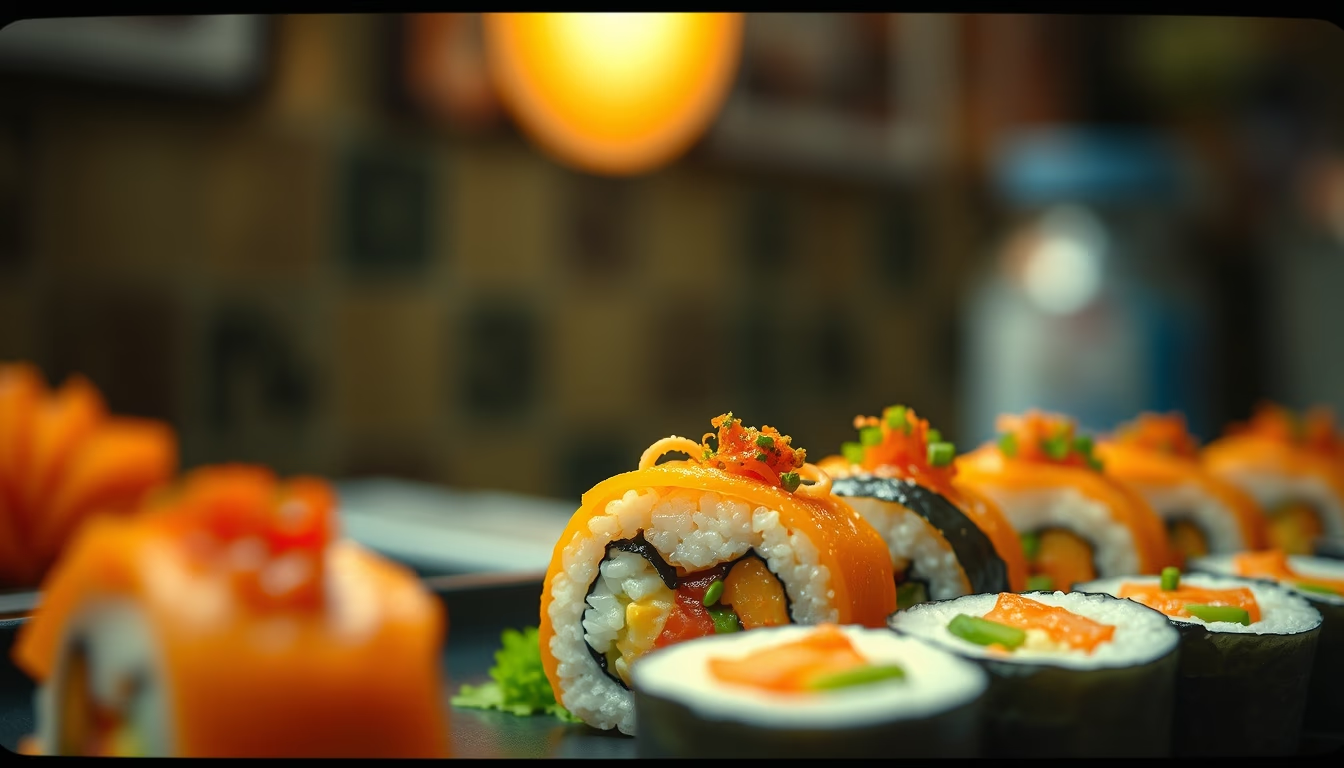
Colorful sushi rolls combine seasoned rice, nori, and varied fillings like salmon, tuna, and avocado. Discover their origin, types, and trivia.
About this subject
Colorful sushi rolls, known as makizushi, are one of the most popular forms of sushi worldwide. They consist of vinegared rice wrapped in a sheet of nori (dried seaweed) and filled with raw fish, seafood, vegetables, or eggs. The vibrant colors come from ingredients such as salmon (orange), tuna (red), avocado (green), and tamagoyaki (Japanese omelette, yellow). Some rolls are topped with slices of fish or smoked salmon to create striking visual patterns.
Sushi originated in Southeast Asia around the 4th century BCE as a method of preserving fish in fermented rice. In Japan, it evolved into edomae-zushi during the Edo period (19th century), when chef Hanaya Yohei created nigiri. Makizushi emerged as a portable snack for travelers and picnics. Today, Western adaptations like the California roll (with imitation crab, avocado, and cucumber) and the rainbow roll (with assorted fish slices on top) have made colorful rolls a global phenomenon.
In countries like the United States and Brazil, colorful sushi rolls are ubiquitous in Japanese restaurants and buffets. Local variations include cream cheese, mango, and even panko crumbs. The colorful presentation is not just aesthetic: it signals freshness and variety of flavors. The rice must be perfectly seasoned, glossy and slightly sweet. The nori provides a crisp contrast to the soft fillings. Pickled ginger (gari) and wasabi (Japanese horseradish) are traditional accompaniments.
A fun fact: a typical colorful roll like the rainbow roll contains 4 to 6 different types of fish or seafood, each with distinct nutritional benefits. Salmon is rich in omega-3 fatty acids, tuna provides lean protein, and avocado offers healthy fats. Rolling sushi with a bamboo mat (makisu) requires skill to prevent sticking or tearing. The popularity of rolls has grown so much that there are sushi-making competitions where chefs showcase creativity and precision.
Frequently Asked Questions
What is the difference between sushi rolls and nigiri?
Sushi rolls (makizushi) are wrapped in nori with rice and fillings, while nigiri is a rice ball topped with a slice of raw fish or other ingredient. Rolls are usually cut into small pieces, while nigiri is eaten in one bite.
What are colorful sushi rolls?
They are rolls with ingredients of varied colors, such as orange salmon, red tuna, and green avocado. They may be topped with fish slices to create a rainbow effect, as in a rainbow roll.
How did sushi rolls become popular globally?
After World War II, sushi spread from Japan to the West, adapting to local tastes. The California roll, invented in Los Angeles in the 1960s, replaced raw fish with avocado and crab stick, making sushi more accessible. Colorful rolls followed as a theatrical presentation.
Direct URL
https://pub-c7d6a6ea828543ac903a74a341ccb2e1.r2.dev/imagens/sushi-rolls-colorful-lo-fi-disposable-camera-p0.avifHow to credit
Include a visible link back to UtilizAí. Copy one of the snippets below:
<a href="https://xn--utiliza-eza.com/en/midia/imagens/sushi-rolls-colorful-lo-fi-disposable-camera-p0">Sushi rolls colorful</a> by <a href="https://xn--utiliza-eza.com">UtilizAí</a>, licensed under <a href="https://creativecommons.org/licenses/by/4.0/">CC BY 4.0</a>.
[Sushi rolls colorful](https://xn--utiliza-eza.com/en/midia/imagens/sushi-rolls-colorful-lo-fi-disposable-camera-p0) by [UtilizAí](https://xn--utiliza-eza.com), CC BY 4.0
License: CC-BY-4.0