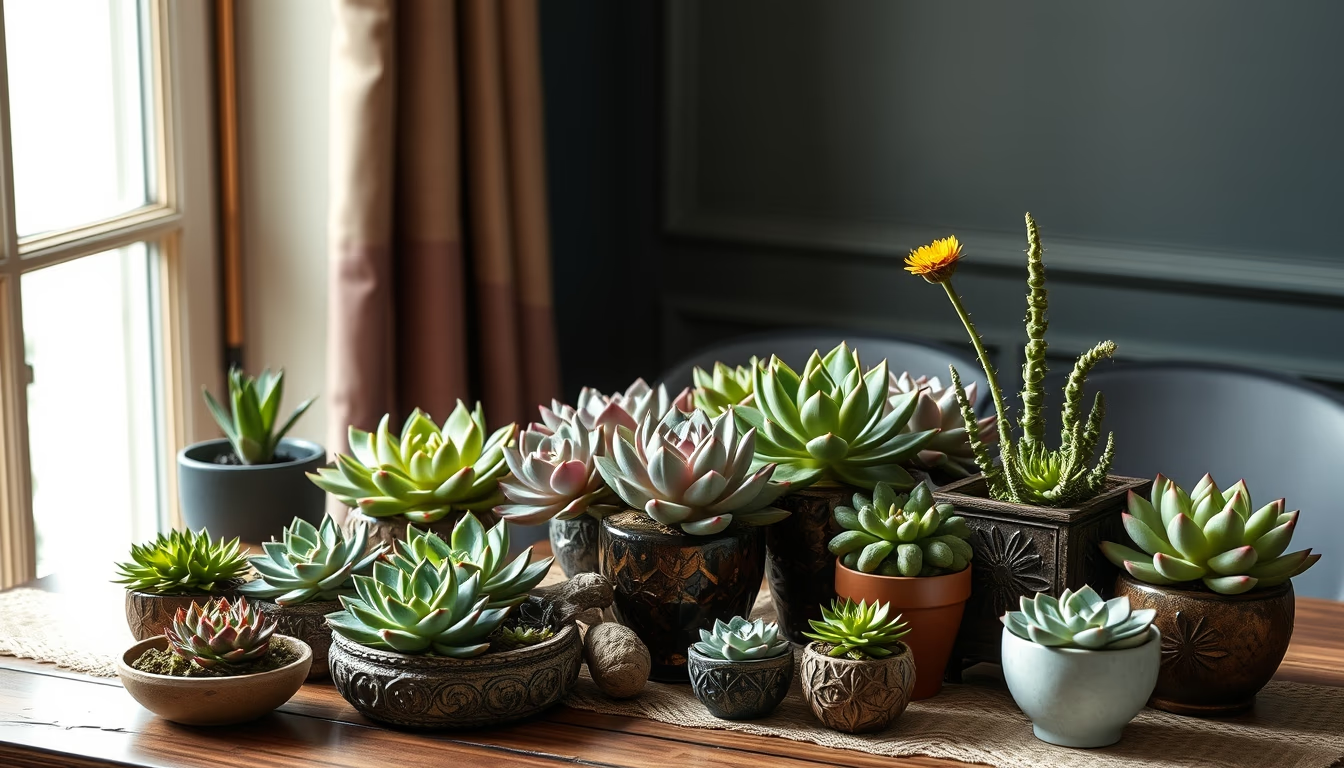
Succulent collection table
1344×768 · AVIF · CC BY 4.0
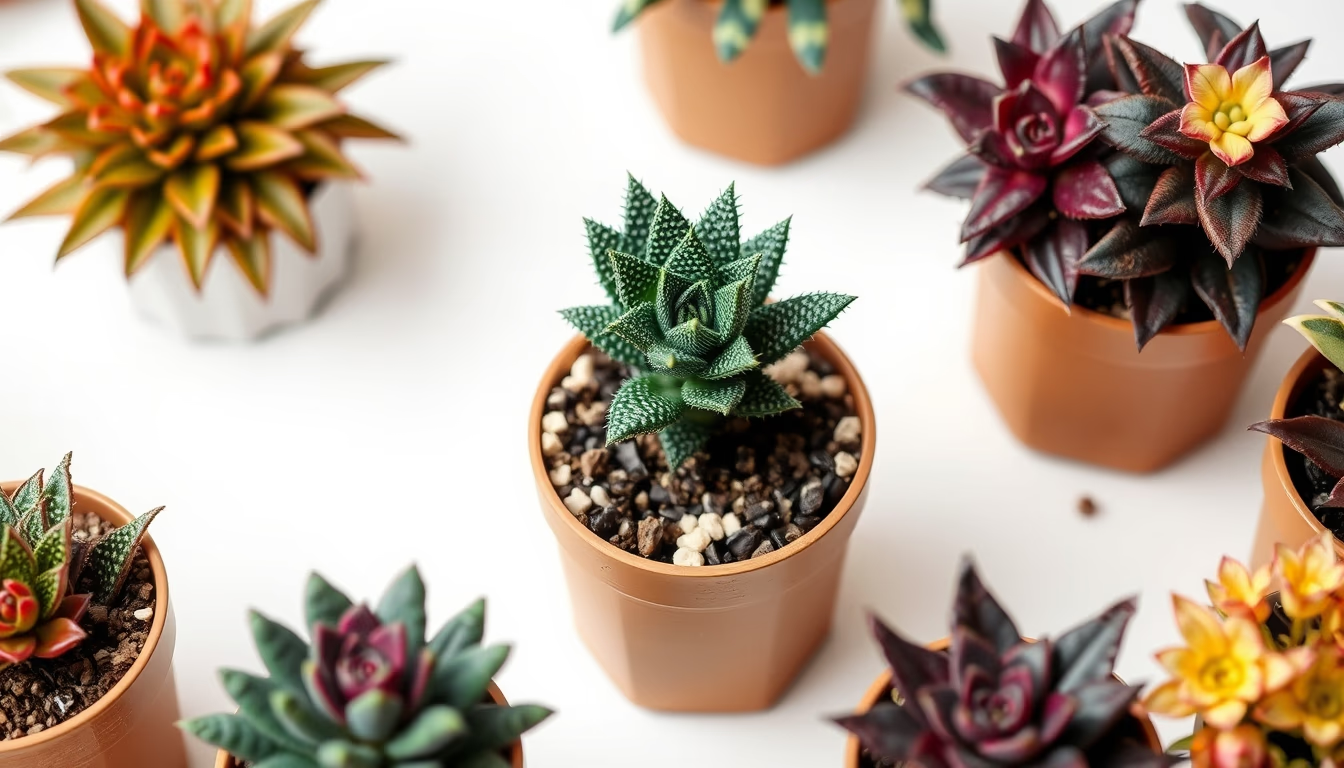
A table full of succulents organized by species and color, creating a decorative and functional arrangement for plant enthusiasts.
About this subject
Succulents are plants adapted to arid environments, capable of storing water in their leaves, stems, or roots. Originating from regions such as Africa, Central America, and Mexico, they have conquered the gardening world due to low maintenance and geometric beauty. A collection of succulents on a table is not merely aesthetic: each pot represents a miniature ecosystem, requiring specific substrate, proper drainage, and controlled sunlight exposure.
The diversity of shapes and colors is impressive. Genera like Echeveria, Sempervivum, and Sedum display rosettes that resemble living sculptures, while Crassula and Aloe have erect or pointed leaves. Arranging them on a growing table allows for observing subtle variations among species and hybrids. Collectors often group succulents by water needs or flowering seasons, creating microclimates indoors or on balconies.
Caring for a collection requires attention to dormancy periods and watering cycles. Many succulents are drought-tolerant but sensitive to overwatering, which can cause root rot. Propagation through leaves or cuttings is a common practice to expand the collection. In Brazil, the tropical climate favors outdoor cultivation except in very humid regions. The popularity of succulents has boosted markets for handmade pots, specialized substrates, and collector swap events.
Fun fact: some succulents, like Lithops (living stones), evolved to mimic pebbles and avoid predators. Others, like Echeveria elegans, produce bell-shaped flowers that attract pollinators. Carefully arranging them on a table allows appreciation of these details and learning about fascinating evolutionary adaptations.
Frequently Asked Questions
What is the best way to water succulents in a table collection?
Water only when the soil is completely dry, typically every 10 to 15 days depending on climate. Use room-temperature water and avoid wetting the leaves to prevent fungal issues.
How to arrange succulents of different species on the same table?
Group them by light and watering needs. Place sun-tolerant species together and keep shade-preferring ones in more protected spots. Use pots with good drainage and a specialized succulent substrate.
Do succulents need fertilizer?
Yes, but sparingly. Use a fertilizer formulated for cacti and succulents diluted in watering water during spring and summer, once a month. Avoid fertilizing in winter, the dormancy period.
Direct URL
https://pub-c7d6a6ea828543ac903a74a341ccb2e1.r2.dev/imagens/succulent-collection-table-long-exposure-fresh7.avifHow to credit
Include a visible link back to UtilizAí. Copy one of the snippets below:
<a href="https://xn--utiliza-eza.com/en/midia/imagens/succulent-collection-table-long-exposure-fresh7">Succulent collection table</a> by <a href="https://xn--utiliza-eza.com">UtilizAí</a>, licensed under <a href="https://creativecommons.org/licenses/by/4.0/">CC BY 4.0</a>.
[Succulent collection table](https://xn--utiliza-eza.com/en/midia/imagens/succulent-collection-table-long-exposure-fresh7) by [UtilizAí](https://xn--utiliza-eza.com), CC BY 4.0
License: CC-BY-4.0