Stalingrad ruins
1344×768 · AVIF · CC BY 4.0
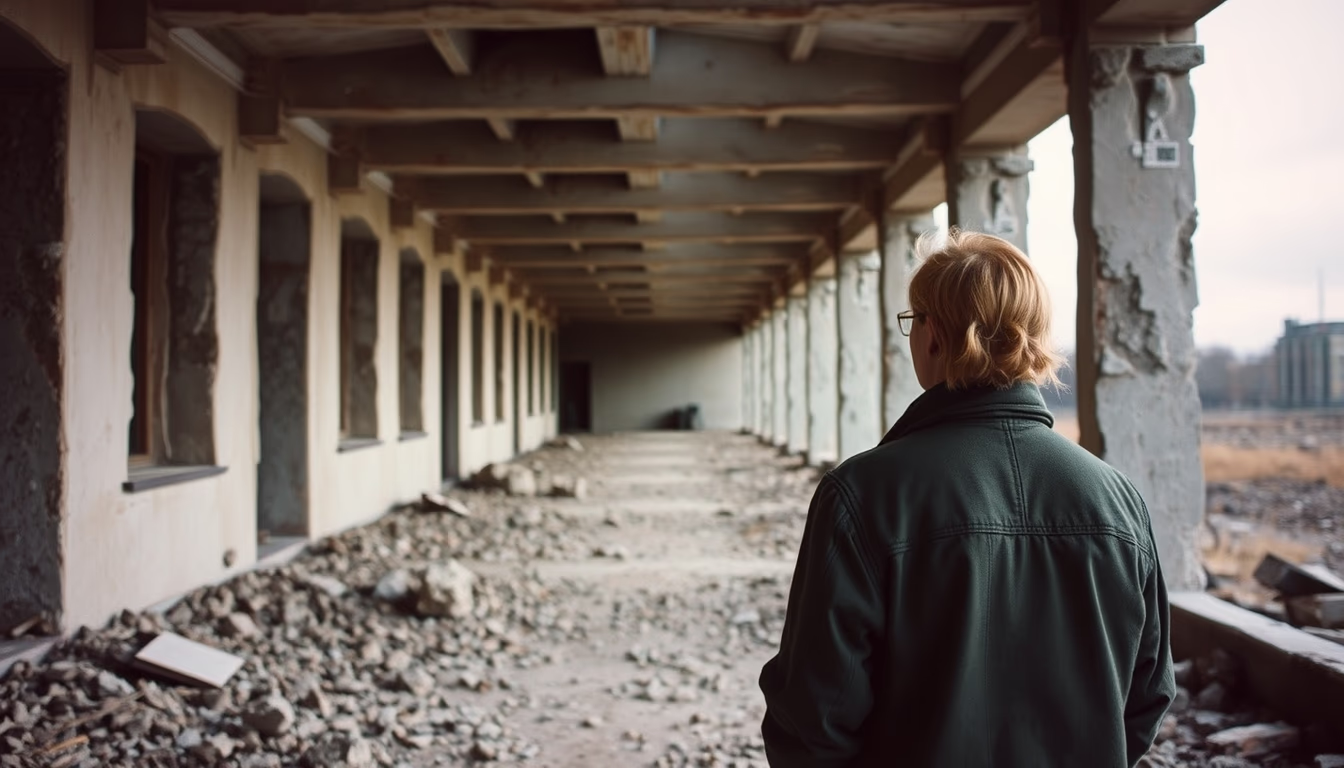
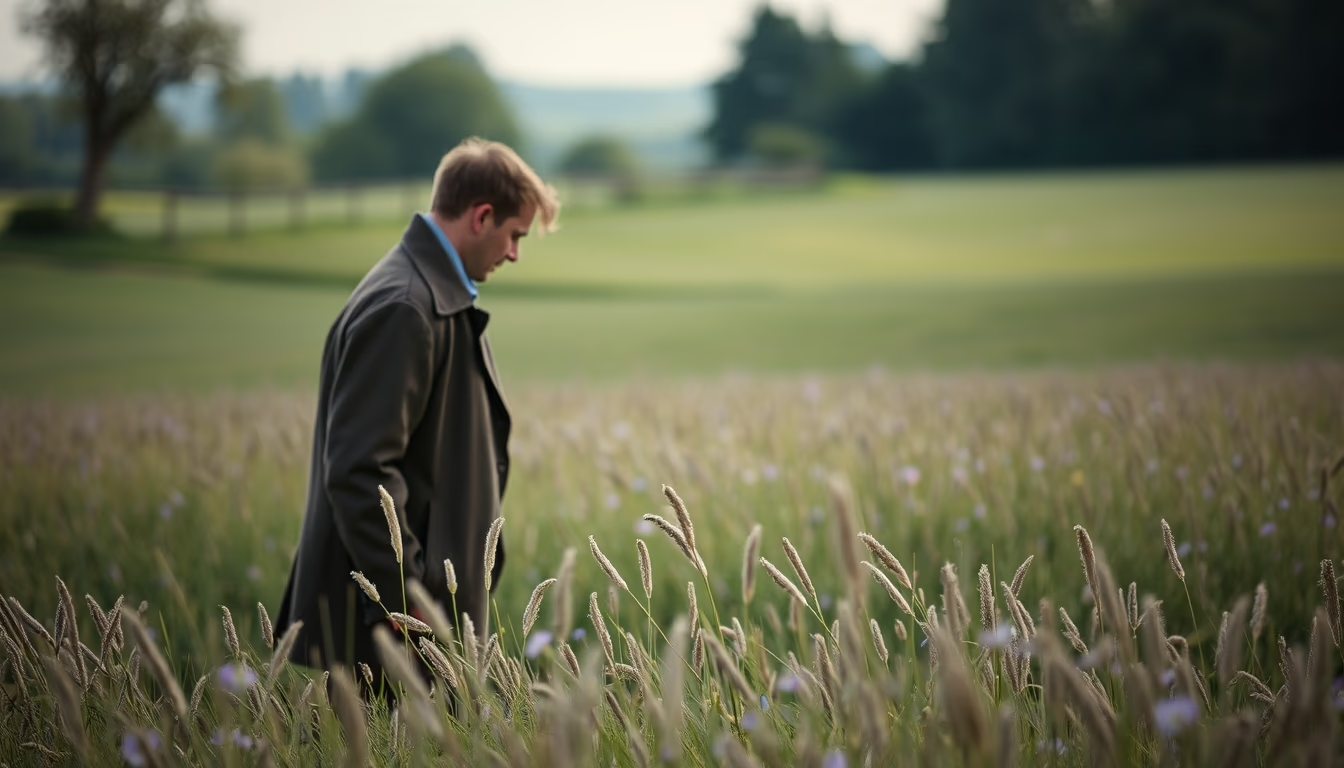
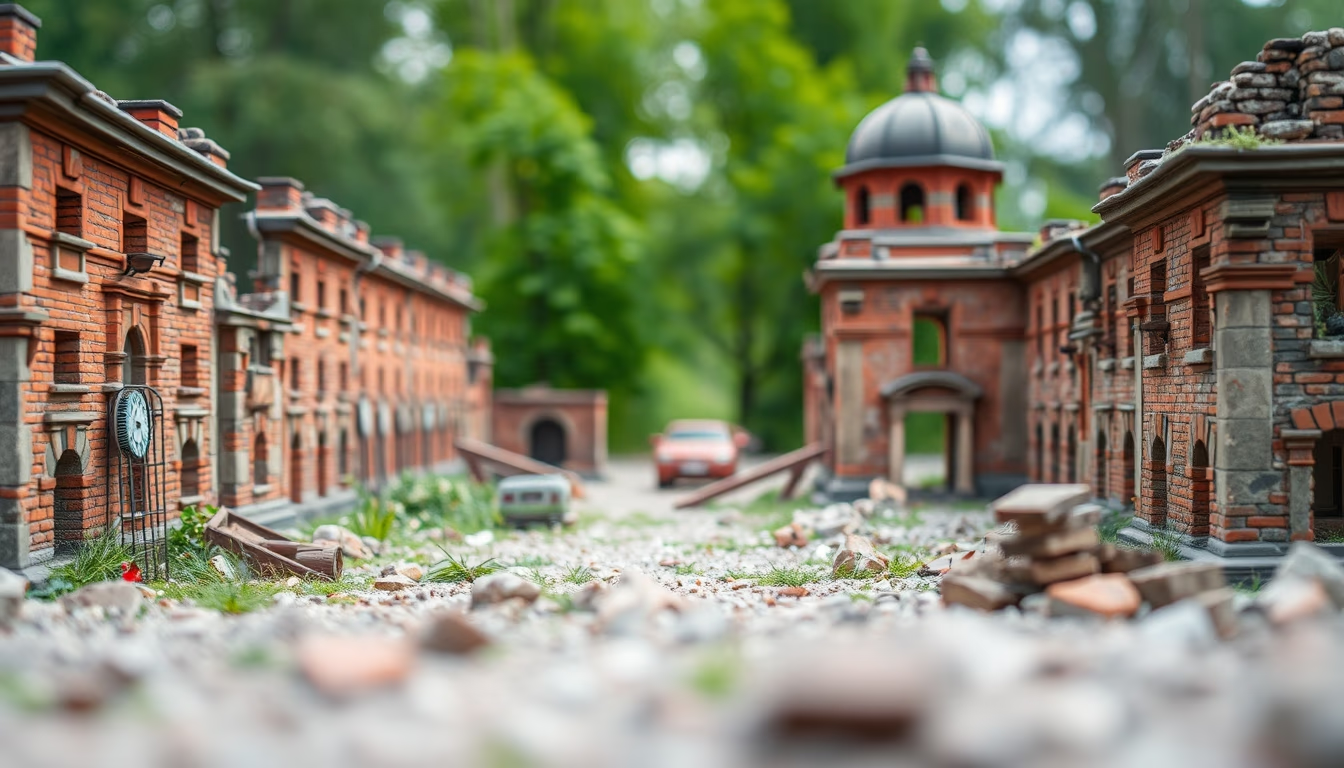
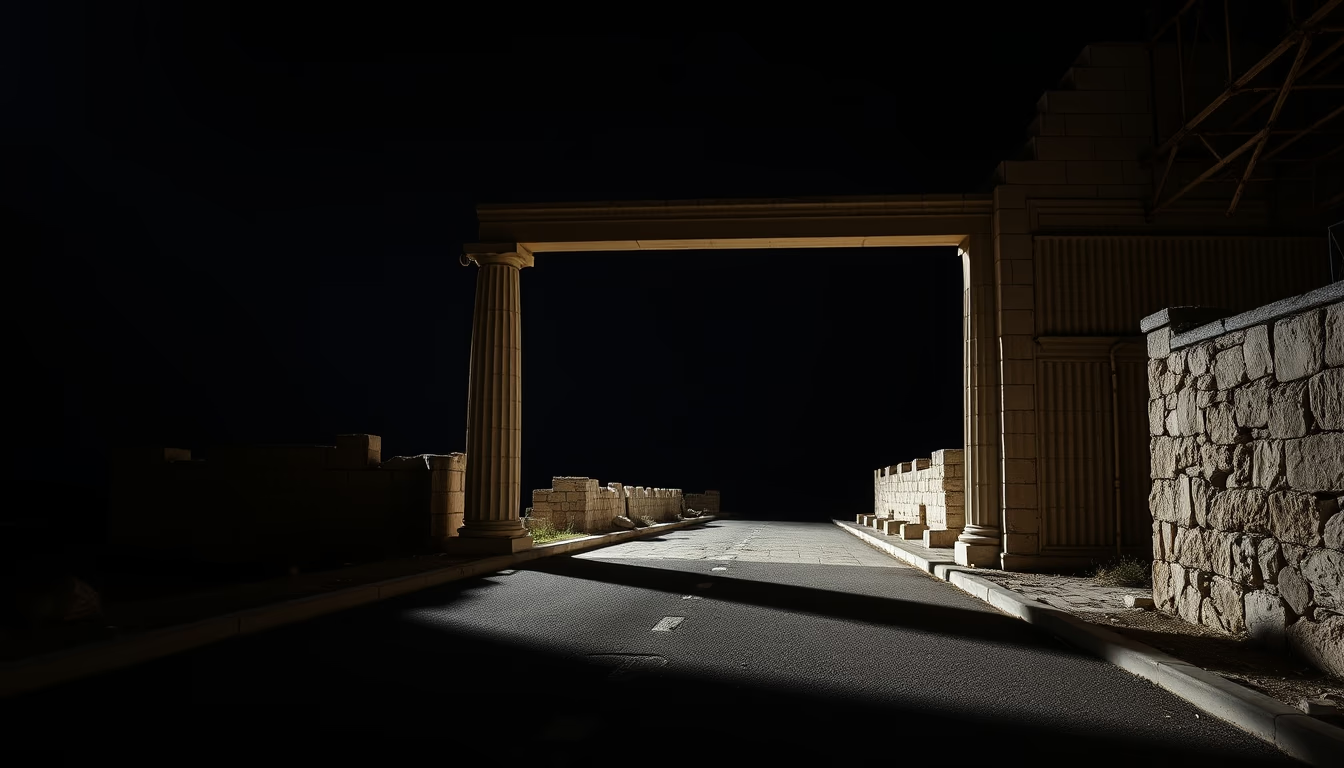
Ruins of Stalingrad, site of the bloodiest battle of World War II, which marked the decisive turning point against Nazi Germany.
About this subject
The Battle of Stalingrad (1942-1943) was the deadliest confrontation of World War II, with an estimated 1.5 to 2 million casualties among soldiers and civilians. The industrial city on the Volga River, today known as Volgograd, was devastated by aerial bombings and house-to-house fighting that lasted five months. Soviet resistance under General Vasily Chuikov prevented Axis forces from capturing the urban center, culminating in the encirclement and surrender of the German 6th Army in February 1943.
Strategically, Stalingrad controlled access to Caucasus oil and a key Soviet waterway. For Hitler, capturing the city bearing Stalin's name was a matter of prestige; for Stalin, defense was non-negotiable. Soviet soldiers used the 'hug the enemy' tactic, staying so close to German lines that long-range artillery couldn't fire without risking friendly fire. Snipers like Vasily Zaitsev gained fame, killing over 200 Germans.
After the war, the city was rebuilt and renamed Volgograd in 1961, but the Mamayev Kurgan memorial and the 85-meter 'The Motherland Calls' statue commemorate the sacrifice. Original ruins are preserved in the Battle of Stalingrad Panorama Museum. Today, the battle is studied as a case of urban warfare and resilience. Films like 'Stalingrad' (1993) and 'Enemy at the Gates' (2001) depict its brutality.
Trivia: during the battle, the city's metro served as a shelter and hospital. About 40,000 civilians died in the first days of bombing. The Soviet victory halted the German advance on the Eastern Front and inspired Allied forces in the West.
Frequently Asked Questions
Why was the Battle of Stalingrad so important?
It was the first major defeat of Nazi Germany in World War II, halting the German advance on the Eastern Front and securing Soviet access to Caucasus oil. The Soviet victory marked the strategic turning point of the war.
How many people died at Stalingrad?
Estimated 1.5 to 2 million casualties, including German and Soviet soldiers and civilians. About 40,000 civilians died in the first bombing days, and the Red Army suffered over 1 million killed and wounded.
What remains of Stalingrad after the battle?
The city was almost completely destroyed, with less than 10% of buildings intact. Today, preserved ruins can be seen at the Battle of Stalingrad Panorama Museum, and the Mamayev Kurgan memorial holds a cemetery with thousands of soldiers.
Direct URL
https://pub-c7d6a6ea828543ac903a74a341ccb2e1.r2.dev/imagens/stalingrad-ruins-film-grain-authentic-fresh11.avifHow to credit
Include a visible link back to UtilizAí. Copy one of the snippets below:
<a href="https://xn--utiliza-eza.com/en/midia/imagens/stalingrad-ruins-film-grain-authentic-fresh11">Stalingrad ruins</a> by <a href="https://xn--utiliza-eza.com">UtilizAí</a>, licensed under <a href="https://creativecommons.org/licenses/by/4.0/">CC BY 4.0</a>.
[Stalingrad ruins](https://xn--utiliza-eza.com/en/midia/imagens/stalingrad-ruins-film-grain-authentic-fresh11) by [UtilizAí](https://xn--utiliza-eza.com), CC BY 4.0
License: CC-BY-4.0