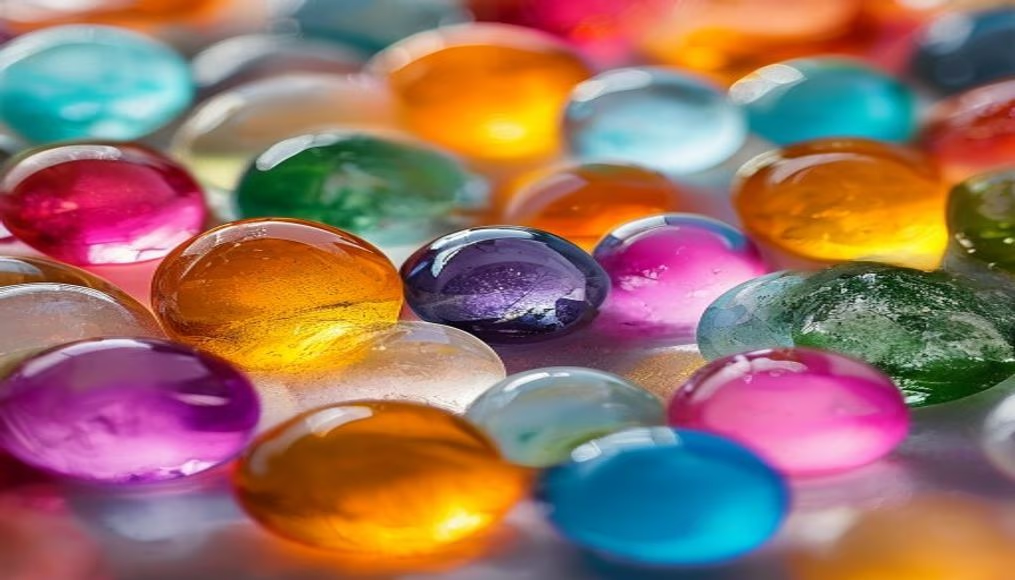
Stained glass workshop
1344×768 · AVIF · CC BY 4.0
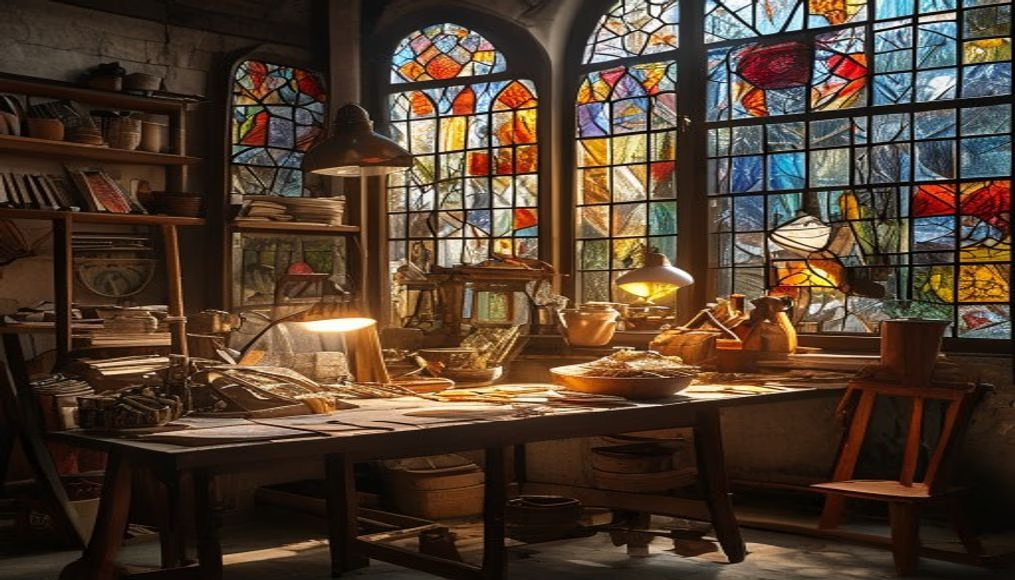
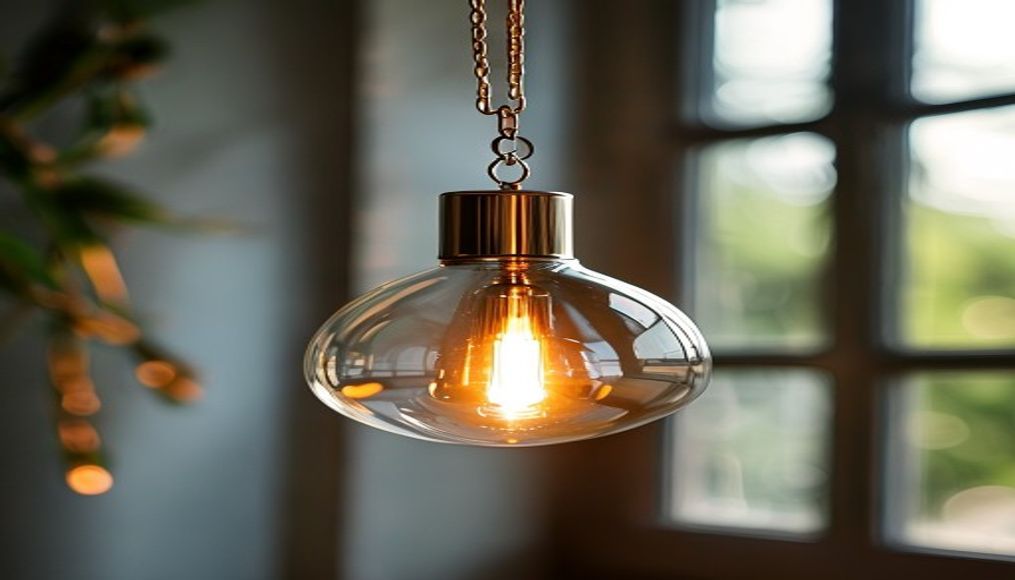
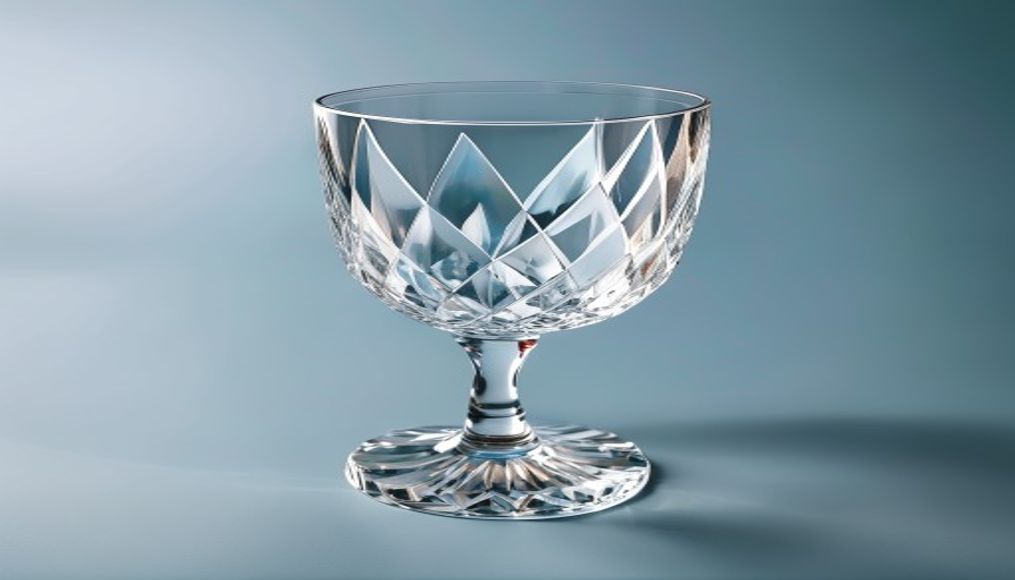
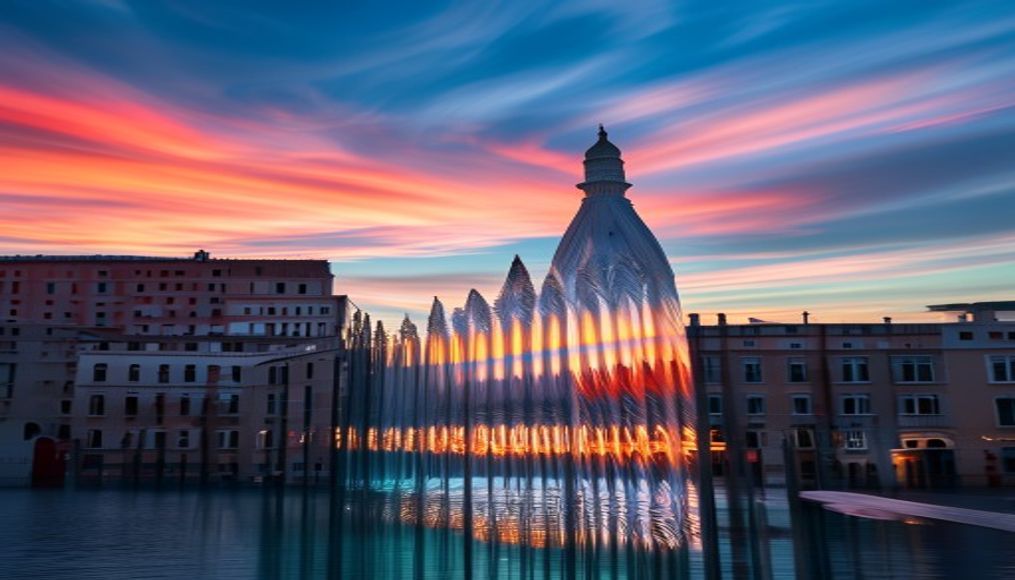
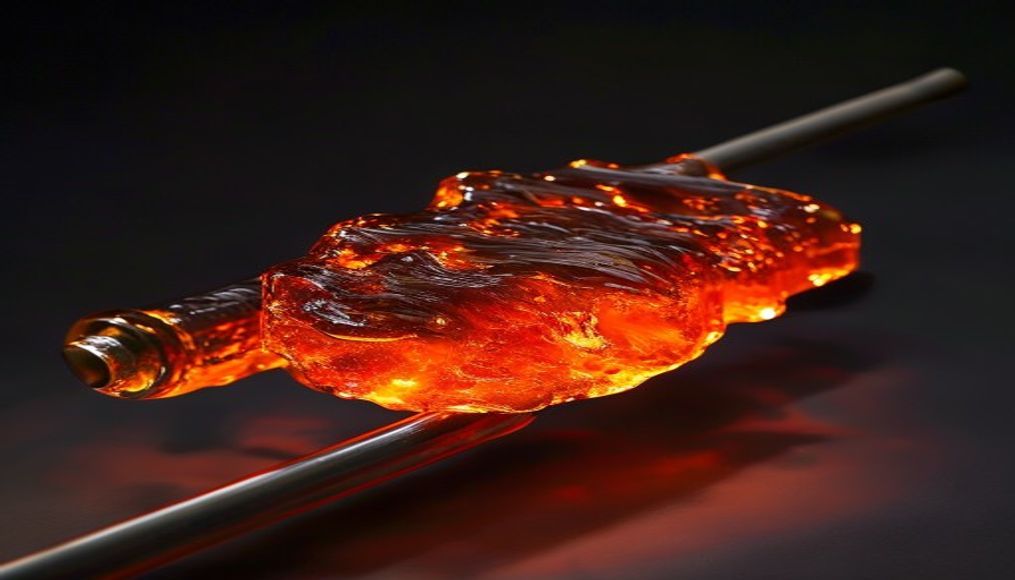
Stained glass workshop: an ancient craft combining glass, light, and technique in a creative artisan environment.
About this subject
A stained glass workshop is a space dedicated to producing colored glass panels, a technique that dates back to the Middle Ages. Stained glass became prominent in European Gothic cathedrals, such as Notre-Dame de Paris and Chartres Cathedral, where they depicted biblical stories for a largely illiterate population. The process begins with a design drawing, followed by selecting glass of various colors and textures. The artisan cuts each piece using tools like a glass cutter and pliers, adjusting them to form the mosaic. The pieces are joined by lead strips, which are soldered at the joints, creating a rigid structure that is then fitted into a metal frame.
In Brazil, the stained glass tradition arrived with colonizers and flourished in Baroque and Neo-Gothic churches, such as the São Paulo Cathedral and the Monastery of São Bento in Rio de Janeiro. Artists like Conrado Sorgenicht Filho and Casa Conrado, founded by German immigrants, professionalized the technique in the country. Today, contemporary workshops also produce stained glass for homes, businesses, and public spaces, using both traditional methods and new materials, such as laminated glass and resins. Lighting is crucial: natural or artificial light passing through the glass creates dynamic chromatic effects throughout the day.
A technical curiosity: the lead used in stained glass is not pure, but an alloy with tin to increase malleability and strength. Soldering requires care to avoid cracking the glass, and the use of flux (such as resin) prevents oxidation. In some workshops, glass is painted with enamels and then fired in kilns to fix the colors, expanding artistic possibilities. The maintenance of old stained glass is a specialized field, involving replacing damaged pieces and delicate cleaning to preserve translucency.
The craft of stained glass making demands patience, precision, and knowledge of light physics. Many workshops offer courses and workshops for beginners, perpetuating an art that combines craftsmanship, design, and spirituality. The popularity of stained glass is also renewed through applications in modern abstract designs and restorations of historical heritage, ensuring the technique remains alive.
Frequently Asked Questions
What are the main tools used in a stained glass workshop?
Tools include a glass cutter, pliers for breaking and shaping, soldering iron, a lead knife for trimming lead, and specialized scissors for cutting lead. Pencils for drawing, protective masks, and safety glasses are also used.
Can one learn to make stained glass in courses in Brazil?
Yes, many workshops and studios offer courses for beginners and advanced students, especially in São Paulo, Rio de Janeiro, and Porto Alegre. The technique can be learned in short workshops or longer training programs.
What is the difference between traditional stained glass and painted stained glass?
In traditional stained glass, colors come from the colored glass itself. In painted stained glass, enamels are applied to the glass and then fired in a kiln to fix the color, allowing details like faces and shading.
Direct URL
https://pub-c7d6a6ea828543ac903a74a341ccb2e1.r2.dev/imagens/stained-glass-workshop-studio-still-life-p1.avifHow to credit
Include a visible link back to UtilizAí. Copy one of the snippets below:
<a href="https://xn--utiliza-eza.com/en/midia/imagens/stained-glass-workshop-studio-still-life-p1">Stained glass workshop</a> by <a href="https://xn--utiliza-eza.com">UtilizAí</a>, licensed under <a href="https://creativecommons.org/licenses/by/4.0/">CC BY 4.0</a>.
[Stained glass workshop](https://xn--utiliza-eza.com/en/midia/imagens/stained-glass-workshop-studio-still-life-p1) by [UtilizAí](https://xn--utiliza-eza.com), CC BY 4.0
License: CC-BY-4.0