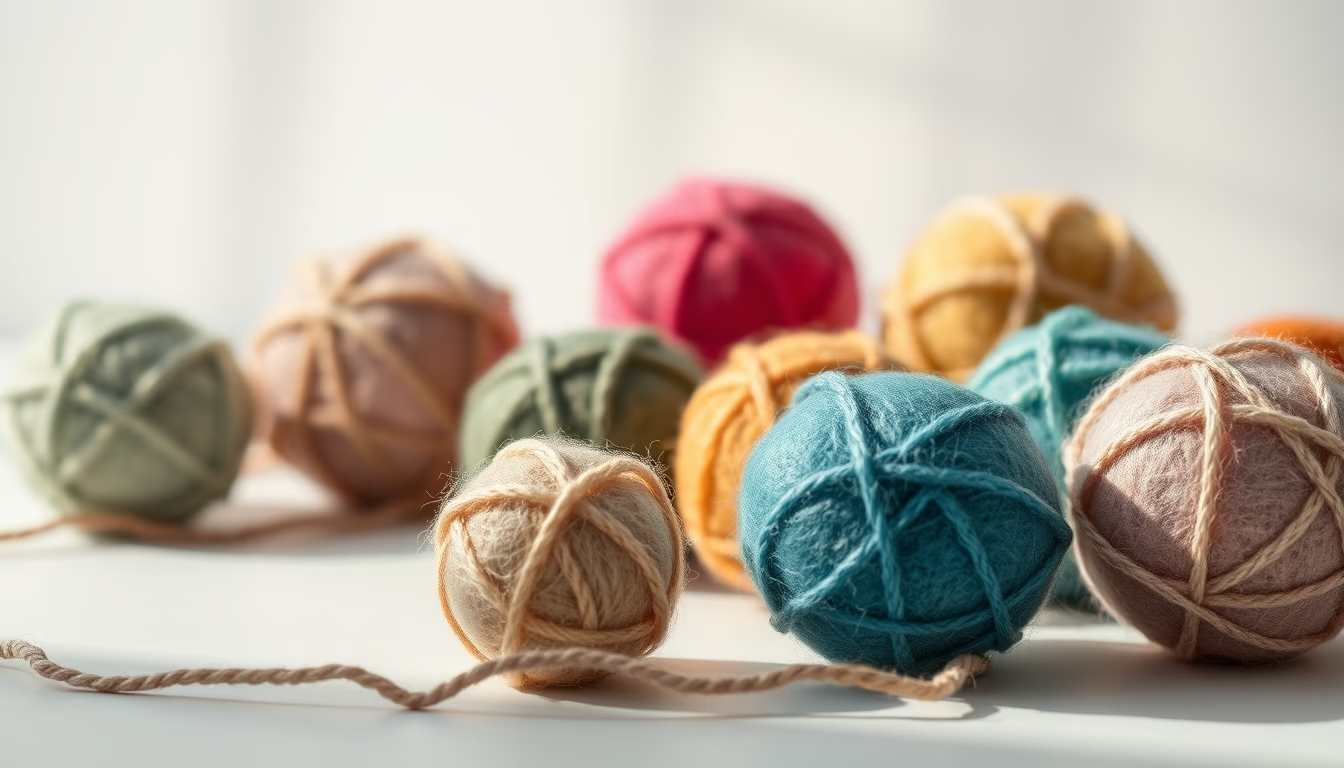
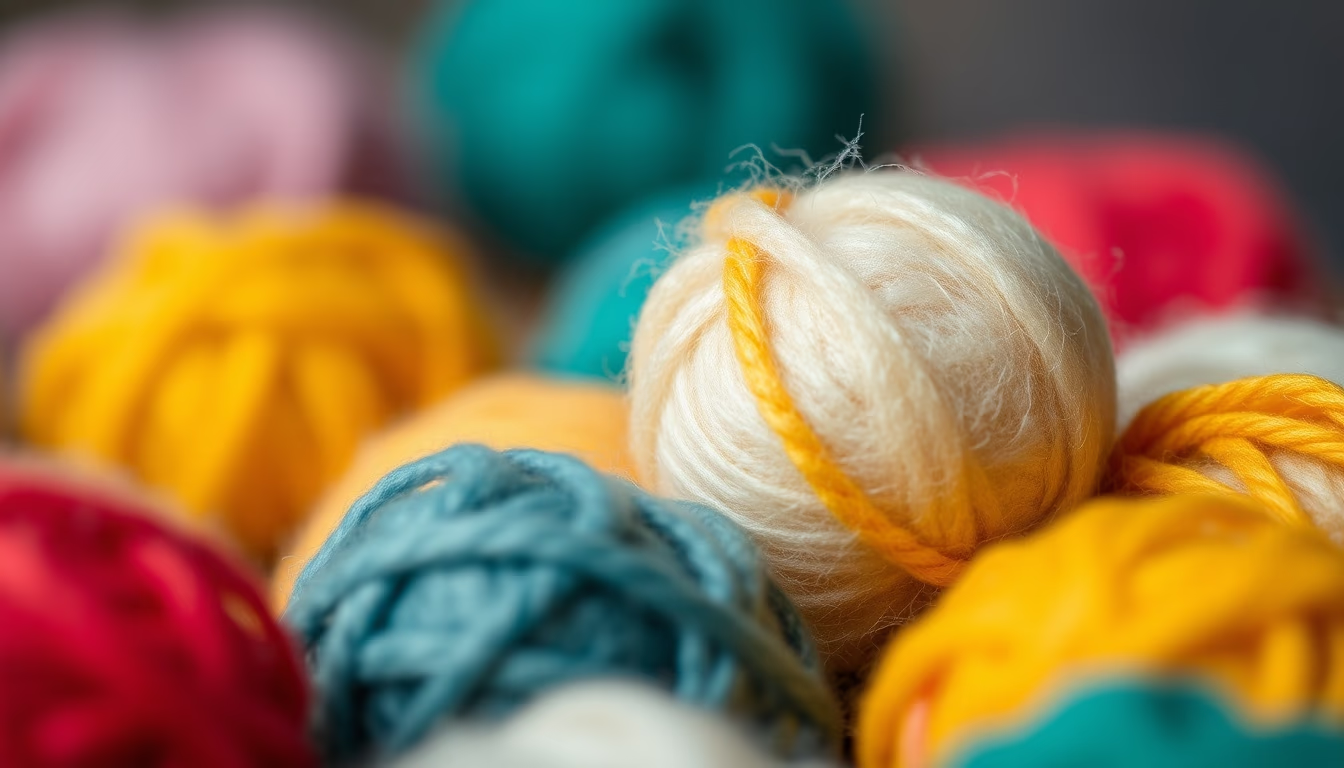
Spinning wheel antique
1344×768 · AVIF · CC BY 4.0

Antique spinning wheel, a centerpiece of textile history, symbol of self-sufficiency and handcraft tradition across cultures.
About this subject
The spinning wheel is one of the most iconic tools in handmade textile production. Originating likely in India around 500 AD, it spread across Asia and Europe, revolutionizing how fibers like wool, cotton, and linen were turned into yarn. Before its invention, hand spindles were the only method; the wheel dramatically increased speed and consistency.
In Brazil, the spinning wheel was introduced by Portuguese colonizers and became essential on farms and in isolated communities, where fabric production was a basic necessity. Until the mid-20th century, spinning wheels were common in rural areas, especially in the Northeast and South, associated with women's work and household economy. Industrialization reduced their use, but they remain an icon of traditional know-how.
An antique spinning wheel consists of a large wheel turned by a treadle, an axle, a bobbin, and a spindle. The treadle's motion rotates the wheel, which drives the spindle, twisting fibers into continuous thread. Different cultures developed variations, such as the large Saxony wheel and the castle wheel, each with regional adaptations. The spinning wheel also inspired later innovations like the spinning jenny and industrial spinning machines.
Today, antique spinning wheels are valued as collectibles, rustic decoration, and living tools in artisan communities that preserve traditional techniques. They represent not only technological advancement but also the connection between hands, raw material, and time, a counterpoint to modern mass production.
Frequently Asked Questions
What is the origin of the spinning wheel?
The spinning wheel likely originated in India around 500 AD and spread across Asia and Europe, becoming essential in handcrafted textile production.
How does an antique spinning wheel work?
The user operates a treadle that rotates a large wheel. The wheel drives a spindle and bobbin, twisting fibers (wool, cotton, linen) into continuous yarn.
What is the spinning wheel used for today?
Besides being a decorative collectible, it is used by artisans who preserve traditional spinning techniques, maintaining a pre-industrial handcraft practice.
Direct URL
https://pub-c7d6a6ea828543ac903a74a341ccb2e1.r2.dev/imagens/spinning-wheel-antique-lo-fi-disposable-camera-fresh7.avifHow to credit
Include a visible link back to UtilizAí. Copy one of the snippets below:
<a href="https://xn--utiliza-eza.com/en/midia/imagens/spinning-wheel-antique-lo-fi-disposable-camera-fresh7">Spinning wheel antique</a> by <a href="https://xn--utiliza-eza.com">UtilizAí</a>, licensed under <a href="https://creativecommons.org/licenses/by/4.0/">CC BY 4.0</a>.
[Spinning wheel antique](https://xn--utiliza-eza.com/en/midia/imagens/spinning-wheel-antique-lo-fi-disposable-camera-fresh7) by [UtilizAí](https://xn--utiliza-eza.com), CC BY 4.0
License: CC-BY-4.0