Spanish doubloon gold
1344×768 · AVIF · CC BY 4.0

O doblão de ouro espanhol foi uma moeda de ouro de alto valor, cunhada entre os séculos XVI e XIX, amplamente usada no comércio colonial e famosa em lendas de piratas.
Sobre o tema
O doblão de ouro espanhol, também conhecido como doubloon, foi uma moeda de ouro cunhada pela Espanha e suas colônias americanas do século XVI ao XIX. Equivalente a dois escudos de ouro ou 32 reais, tornou-se uma das moedas mais prestigiosas do comércio global, especialmente nas rotas entre a América e a Europa. Sua fabricação ocorreu em casas da moeda como Potosí, Lima, Cidade do México e Sevilha, utilizando ouro das minas do Novo Mundo.
Cada exemplar pesava cerca de 6,77 gramas de ouro de 22 quilates (92% de pureza), com diâmetro aproximado de 29 milímetros. O anverso exibia o brasão de armas espanhol sob uma coroa, enquanto o reverso trazia uma cruz com quatro castelos e leões intercalados, símbolo dos reinos de Castela e Leão. Esses detalhes variavam ligeiramente conforme o local e ano de cunhagem.
O valor elevado do doblão o tornou ideal para grandes transações comerciais, como o pagamento de cargas de prata e especiarias. Também era moeda corrente entre piratas e corsários no Caribe, sendo frequentemente mencionado em relatos de tesouros enterrados. Sua fama cresceu com obras como A Ilha do Tesouro, onde o termo virou sinônimo de riqueza pirata.
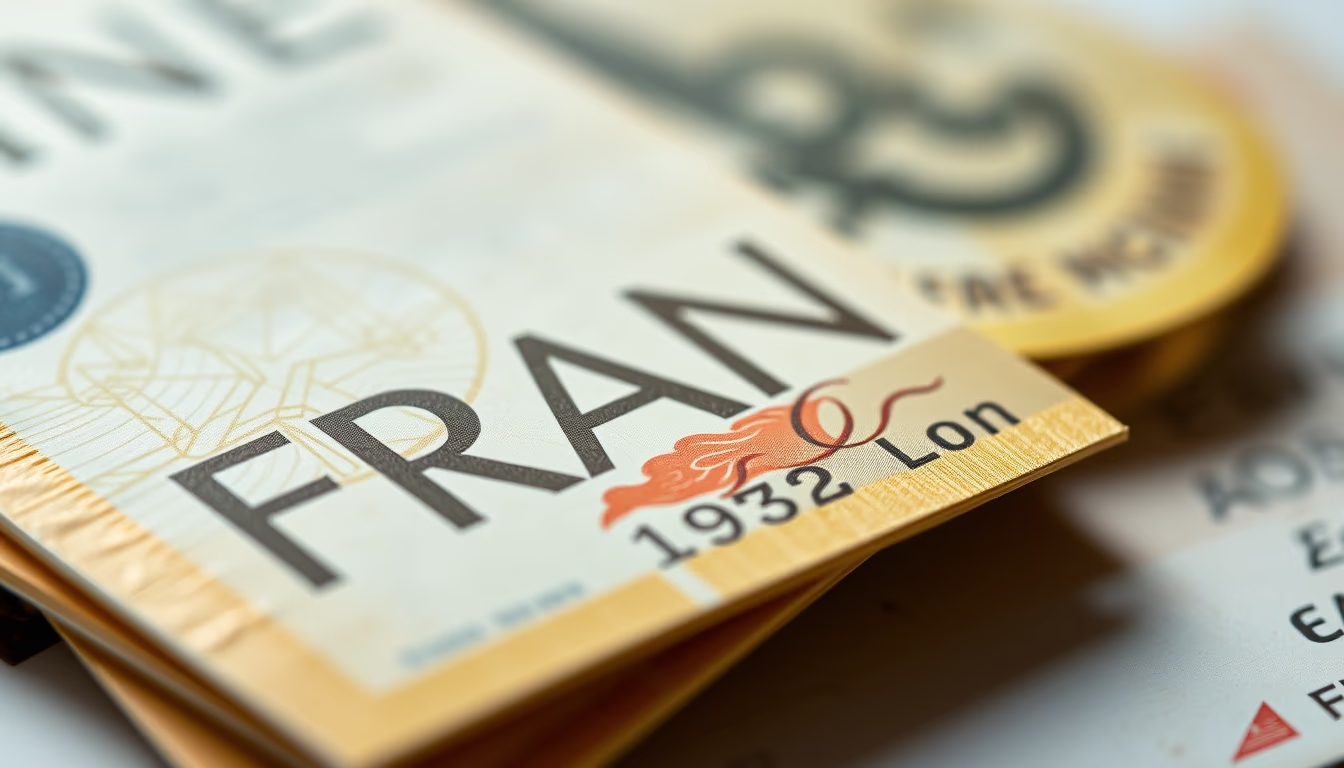
Apesar de sua importância histórica, o doblão deixou de ser cunhado após a independência das colônias hispano-americanas. Hoje, exemplares preservados são altamente valorizados por colecionadores e podem alcançar milhares de dólares em leilões. Sua imagem ainda é usada na cultura pop, desde filmes de piratas até designs de moda e joalheria, como no editorial que inspirou esta descrição.
Perguntas frequentes
Qual era o valor do doblão espanhol?
O doblão equivalia a dois escudos de ouro ou 32 reais de prata. No século XVIII, seu valor em ouro puro correspondia a cerca de 6,77 gramas, o que o tornava uma moeda de alto poder aquisitivo para a época.
Como era o design típico do doblão?
O anverso trazia o brasão da Espanha com uma coroa, enquanto o reverso exibia uma cruz com quatro castelos e quatro leões, representando Castela e Leão. As bordas geralmente tinham inscrições com o nome do rei e o local de cunhagem.
Por que o doblão é associado a piratas?
Por ser uma moeda de ouro de alto valor, era frequentemente usada em pagamentos de resgates e saques no Caribe durante a era dourada da pirataria. Histórias de tesouros enterrados com doblões alimentaram sua ligação cultural com piratas.
URL direta
https://pub-c7d6a6ea828543ac903a74a341ccb2e1.r2.dev/imagens/spanish-doubloon-gold-high-fashion-editorial-fresh9.avifComo creditar
Inclua um link visível de volta pro UtilizAí. Copie um dos snippets abaixo:
<a href="https://xn--utiliza-eza.com/midia/imagens/spanish-doubloon-gold-high-fashion-editorial-fresh9">Spanish doubloon gold</a> by <a href="https://xn--utiliza-eza.com">UtilizAí</a>, licensed under <a href="https://creativecommons.org/licenses/by/4.0/">CC BY 4.0</a>.
[Spanish doubloon gold](https://xn--utiliza-eza.com/midia/imagens/spanish-doubloon-gold-high-fashion-editorial-fresh9) by [UtilizAí](https://xn--utiliza-eza.com), CC BY 4.0
Licença: CC-BY-4.0