Sourdough bread fresh
1344×768 · AVIF · CC BY 4.0
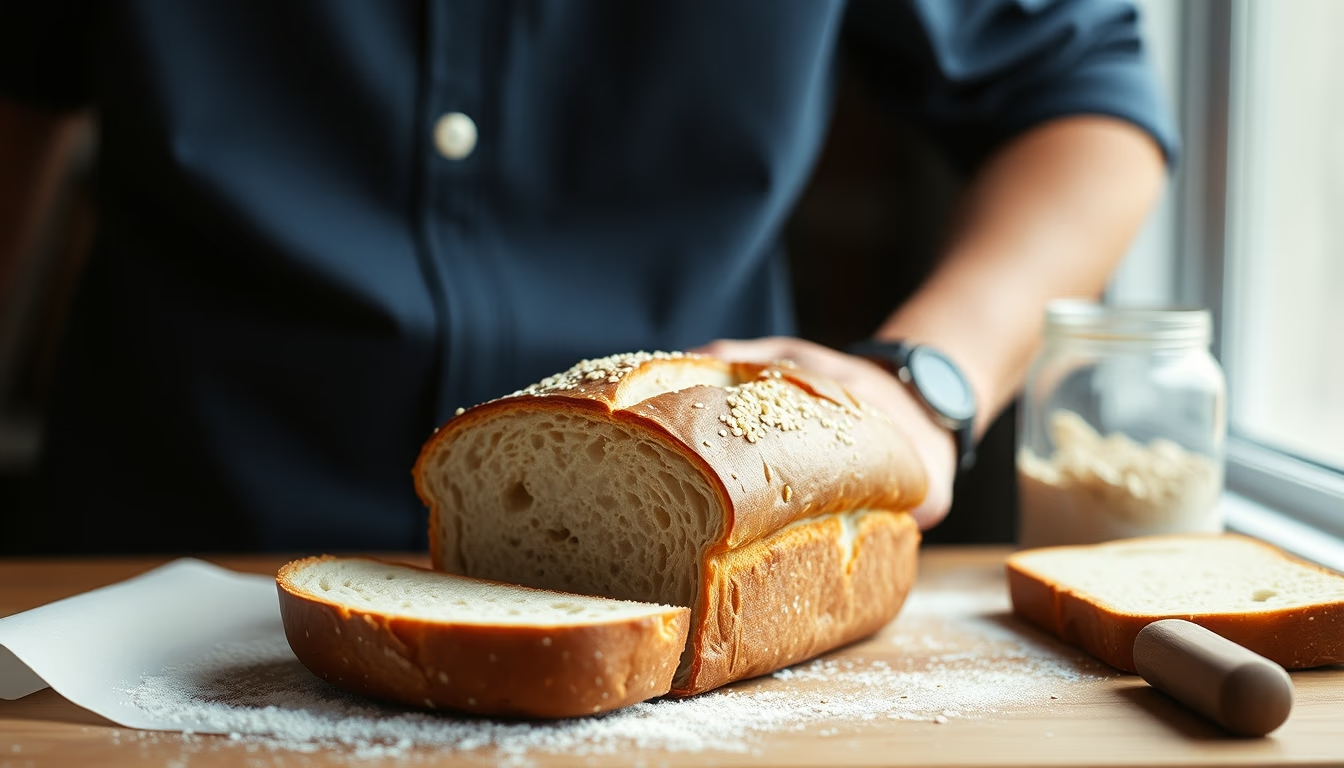
Fresh sourdough bread is a naturally fermented loaf, prized for its crispy crust, airy crumb, mildly tangy flavor, and digestive benefits.
About this subject
Sourdough bread, also known as naturally leavened bread, is one of the oldest types of bread, with records dating back to ancient Egypt around 1500 BC. Its production relies on a natural starter, a symbiotic culture of yeasts and lactic acid bacteria that ferment the dough for an extended period, usually 12 to 48 hours. This process not only develops the characteristic mildly tangy flavor but also breaks down some gluten and phytates, making the bread more digestible and increasing the bioavailability of minerals like iron, zinc, and magnesium.
Unlike industrial breads that use commercial baker's yeast (Saccharomyces cerevisiae) and additives, sourdough requires continuous maintenance of the starter, often called "levain" or "mother." Bakers feed this culture regularly with flour and water, creating a unique microbial ecosystem that varies by location and ingredients, hence the distinctive taste of each bakery or home. This artisanal method has gained massive global popularity in the last decade, driven by the slow food movement and interest in fermented and probiotic foods.
In Brazil, sourdough is increasingly found in artisan bakeries and among home bakers. The southern and southeastern regions concentrate most enthusiasts, but the trend is nationwide. Beyond flavor, the long fermentation lowers the bread's glycemic index, making it a good option for blood sugar management. Interestingly, sourdough also played a role during the California Gold Rush, where miners kept their starters alive for months, using them to bake energy-dense loaves.
The texture of fresh sourdough is unmistakable: a crisp, golden crust, an airy crumb with irregular holes, and a chewiness that melts in the mouth. The aroma combines toasted grain, yogurt, and fruity notes, from acetic and lactic acids produced during fermentation. To preserve quality, it's best consumed the same day or stored in a cloth bag, avoiding plastic that softens the crust. Reheating briefly in the oven before serving enhances crunch and flavor.
Frequently Asked Questions
What is the difference between sourdough bread and bread made with commercial yeast?
Sourdough uses a natural starter (levain) with wild yeasts and bacteria, fermenting longer, resulting in a tangy flavor, better digestibility, and a lower glycemic index. Bread with commercial yeast uses baker's yeast, ferments in a few hours, and has a neutral taste.
How to keep fresh sourdough bread longer?
Store in a cloth or paper bag at room temperature for up to 2 days. For longer storage, slice and freeze. Avoid plastic, which softens the crust. Reheat in a 180°C oven for 5 minutes to restore crispness.
Is sourdough bread gluten-free?
Not necessarily. Traditional sourdough is made with wheat flour, which contains gluten. However, the long fermentation partially breaks down gluten proteins, making it more tolerable for some with mild gluten sensitivity, but it is not safe for celiacs.
Direct URL
https://pub-c7d6a6ea828543ac903a74a341ccb2e1.r2.dev/imagens/sourdough-bread-fresh-lo-fi-disposable-camera-p5.avifHow to credit
Include a visible link back to UtilizAí. Copy one of the snippets below:
<a href="https://xn--utiliza-eza.com/en/midia/imagens/sourdough-bread-fresh-lo-fi-disposable-camera-p5">Sourdough bread fresh</a> by <a href="https://xn--utiliza-eza.com">UtilizAí</a>, licensed under <a href="https://creativecommons.org/licenses/by/4.0/">CC BY 4.0</a>.
[Sourdough bread fresh](https://xn--utiliza-eza.com/en/midia/imagens/sourdough-bread-fresh-lo-fi-disposable-camera-p5) by [UtilizAí](https://xn--utiliza-eza.com), CC BY 4.0
License: CC-BY-4.0