Sistine chapel detail
1344×768 · AVIF · CC BY 4.0
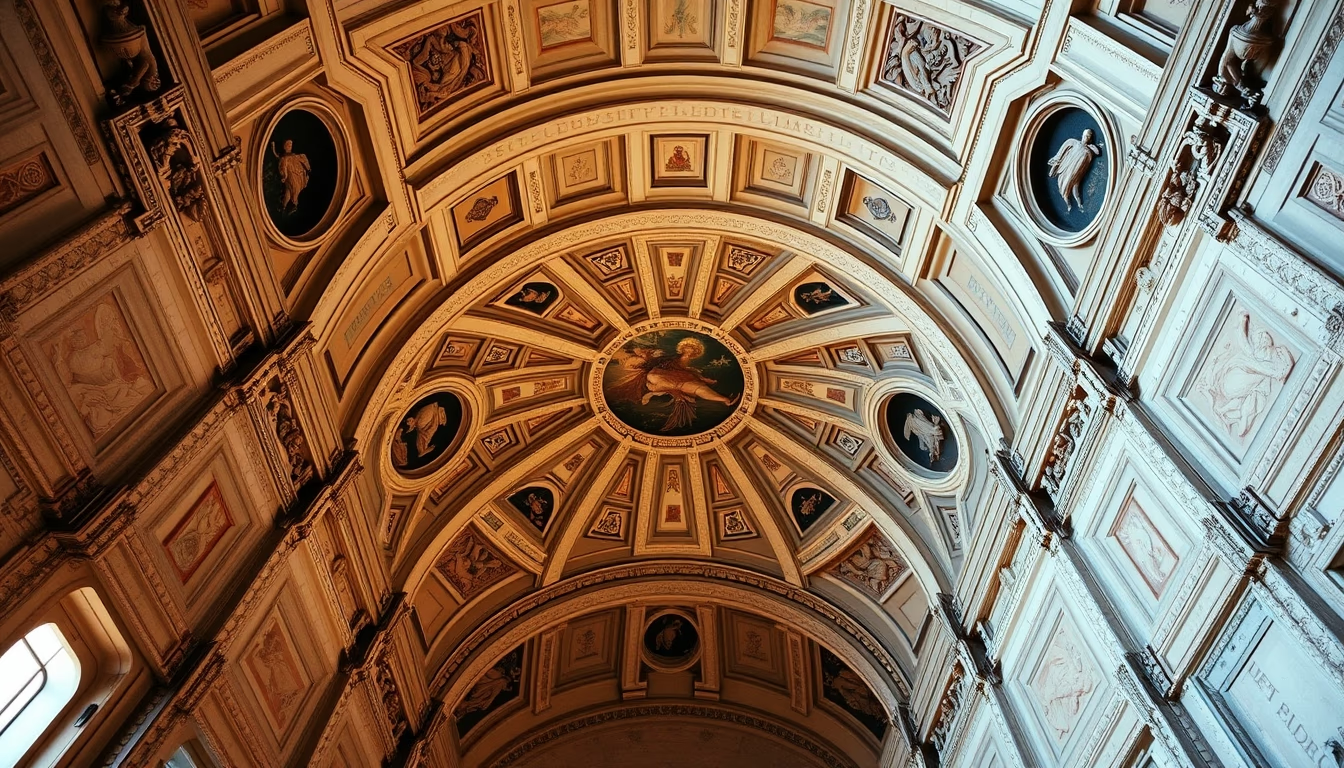
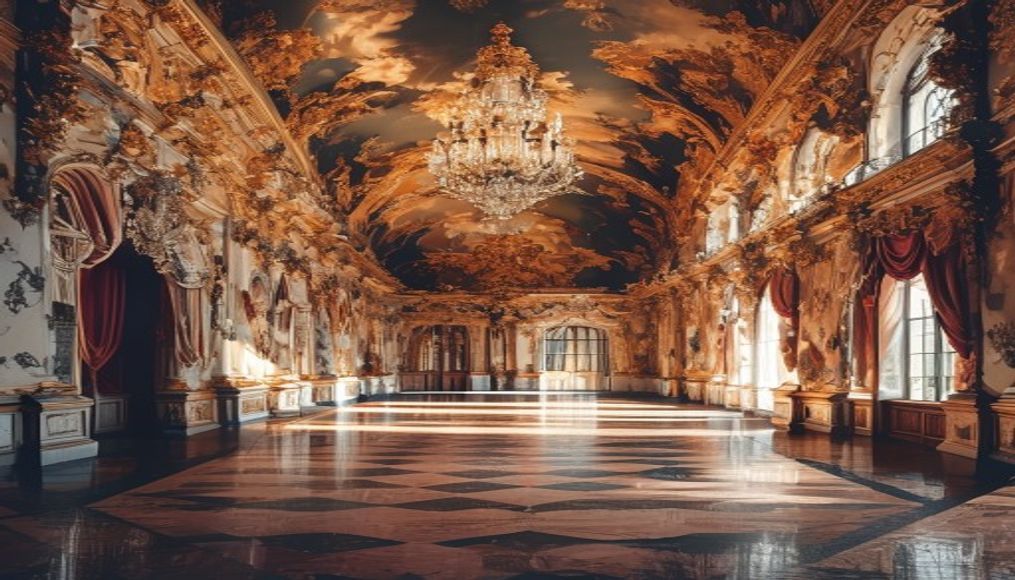
Details of the Sistine Chapel reveal Michelangelo's genius and centuries of Renaissance art history in the Vatican.
About this subject
The Sistine Chapel, located in the Apostolic Palace in Vatican City, is one of the world's most celebrated artistic treasures. Built between 1473 and 1481 under Pope Sixtus IV, from whom it takes its name, the chapel originally served as a site for liturgical gatherings and papal conclaves. Its fame, however, primarily rests on the frescoes covering the ceiling and the altar wall, executed by Michelangelo between 1508 and 1512 (ceiling) and 1536 to 1541 (The Last Judgment).
The ceiling features nine scenes from the Book of Genesis, from Creation to the Flood, with the iconic "Creation of Adam" where God's finger touches Adam's. In addition to Michelangelo, other Renaissance masters such as Botticelli, Ghirlandaio, and Perugino contributed frescoes on the side walls, depicting the lives of Moses and Christ. Every detail, whether a prophetic figure, an ignudo (male nude), or a sibyl, carries theological and humanist symbolism.
The restoration completed in 1994 revealed vibrant colors and details previously hidden by centuries of soot, transforming the perception of the work. The chapel remains the official venue for the conclave that elects the pope, merging religious tradition with the pinnacle of Renaissance art. Its architectural details, such as the barrel vault and lunettes, perfectly integrate painting with structure, creating a visual experience that attracts millions of visitors annually.
Frequently Asked Questions
How many years did Michelangelo take to paint the Sistine Chapel ceiling?
Michelangelo painted the Sistine Chapel ceiling between 1508 and 1512, a total of four years. Although initially reluctant, he worked almost entirely alone, creating over 300 figures on about 1,000 square meters.
What does the fresco 'The Last Judgment' in the Sistine Chapel represent?
'The Last Judgment' is a monumental painting on the altar wall, completed by Michelangelo in 1541. It depicts the second coming of Christ and the final judgment of humanity, with souls being saved or damned to hell. The work caused controversy for its nude figures, later partially covered by draperies.
Why is the Sistine Chapel famous beyond Michelangelo's works?
The Sistine Chapel is the site where the conclave to elect a new pope takes place, one of the most important events in the Catholic Church. Additionally, its side walls feature frescoes by Renaissance masters like Botticelli, Ghirlandaio, and Perugino, making it a compendium of 15th and 16th-century art.
Direct URL
https://pub-c7d6a6ea828543ac903a74a341ccb2e1.r2.dev/imagens/sistine-chapel-detail-architectural-photography-p1.avifHow to credit
Include a visible link back to UtilizAí. Copy one of the snippets below:
<a href="https://xn--utiliza-eza.com/en/midia/imagens/sistine-chapel-detail-architectural-photography-p1">Sistine chapel detail</a> by <a href="https://xn--utiliza-eza.com">UtilizAí</a>, licensed under <a href="https://creativecommons.org/licenses/by/4.0/">CC BY 4.0</a>.
[Sistine chapel detail](https://xn--utiliza-eza.com/en/midia/imagens/sistine-chapel-detail-architectural-photography-p1) by [UtilizAí](https://xn--utiliza-eza.com), CC BY 4.0
License: CC-BY-4.0