Singing bowl meditation
1344×768 · AVIF · CC BY 4.0

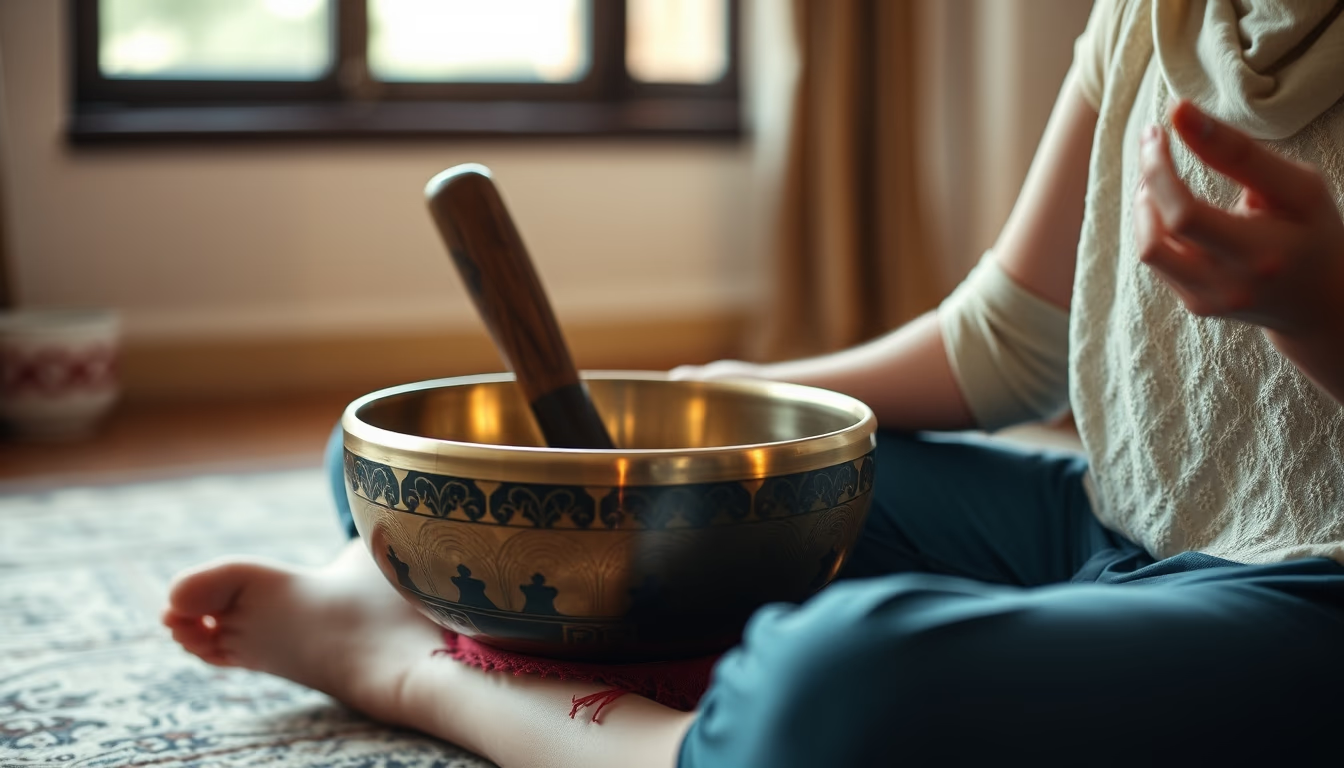
Tibetan singing bowls used in meditation produce sounds that induce deep relaxation, blending acoustics with ancient tradition.
About this subject
Singing bowls, also known as Tibetan singing bowls, are ancient musical instruments originating from the Himalayas, closely associated with Buddhist practices in Tibet, Nepal, and India. Traditionally made from an alloy of seven metals (gold, silver, mercury, copper, iron, tin, and lead), each metal represents a planet in Tibetan astrology. During meditation, the sound produced by rubbing a wooden or leather mallet around the bowl's rim generates harmonic vibrations that help synchronize brainwaves, promoting calmness and focus.
Recent scientific studies, such as those published in the Journal of Evidence-Based Complementary & Alternative Medicine, indicate that singing bowl sounds significantly reduce muscle tension, anxiety, and heart rate. Unlike other meditative instruments like bells or gongs, singing bowls produce a rich sound spectrum with both low and high frequencies, creating an immersive auditory experience. Many practitioners use bowls during yoga, mindfulness sessions, or simply for energetic cleansing of spaces.
Culturally, singing bowls are considered sacred objects, passed down through generations in monasteries. Each bowl has a unique timbre, shaped by the artisan during forging and tempering. In the West, their popularity grew from the 1960s onward with the spread of Buddhism and transcendental meditation. Today, they are common in natural product stores, spas, and even relaxation apps, though authentic handmade bowls are rare and highly valued.
Traveling to regions like Nepal or Tibet allows enthusiasts to purchase bowls directly from local artisans, often at markets or monasteries. Kathmandu, especially the Boudhanath area, is a hub for these items. Collectors seek antique bowls, which may emit more complex overtones due to metal aging. Beginners are advised to choose a bowl with a clear, sustained sound, avoiding harsh metallic notes.
Frequently Asked Questions
How to choose a singing bowl for meditation?
Choose a bowl that produces a clear, sustained sound when struck. Avoid harsh metallic tones. Handcrafted bowls generally offer better sound quality.
What is the origin of Tibetan singing bowls?
Singing bowls originated in the Himalayan region, especially Tibet, Nepal, and India, over a thousand years ago. They were used in Buddhist rituals and meditation practices.
Are there scientifically proven benefits of singing bowls?
Yes. Studies indicate that singing bowl sounds reduce anxiety, muscle tension, and heart rate, promoting relaxation and well-being.
Direct URL
https://pub-c7d6a6ea828543ac903a74a341ccb2e1.r2.dev/imagens/singing-bowl-meditation-travel-photography-p0.avifHow to credit
Include a visible link back to UtilizAí. Copy one of the snippets below:
<a href="https://xn--utiliza-eza.com/en/midia/imagens/singing-bowl-meditation-travel-photography-p0">Singing bowl meditation</a> by <a href="https://xn--utiliza-eza.com">UtilizAí</a>, licensed under <a href="https://creativecommons.org/licenses/by/4.0/">CC BY 4.0</a>.
[Singing bowl meditation](https://xn--utiliza-eza.com/en/midia/imagens/singing-bowl-meditation-travel-photography-p0) by [UtilizAí](https://xn--utiliza-eza.com), CC BY 4.0
License: CC-BY-4.0