Silk road spices arrayed
1344×768 · AVIF · CC BY 4.0
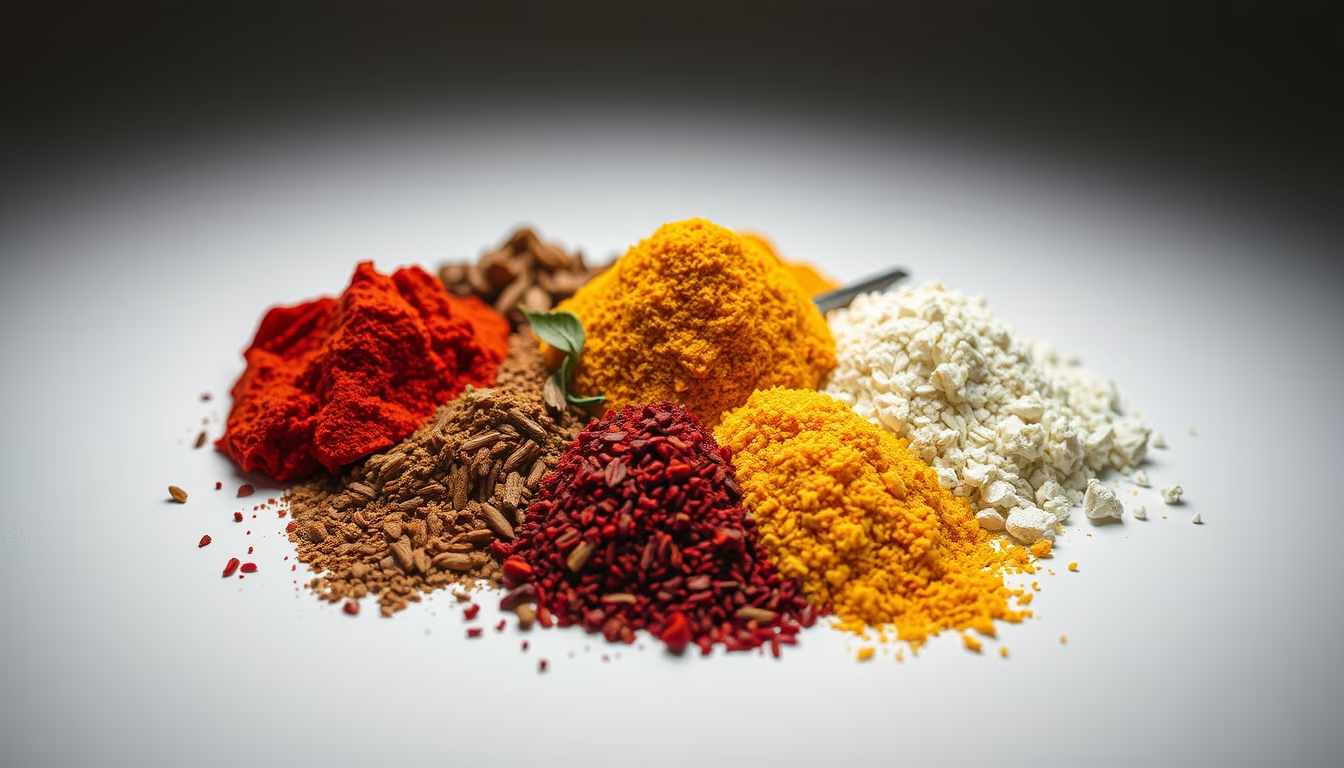
Spices like cinnamon, pepper, saffron, and cloves traveled thousands of kilometers along the Silk Road, transforming cuisines, economies, and cultures.
About this subject
Spices were among the most valuable goods traded along the Silk Road, a network of land and sea routes connecting East Asia to the Mediterranean for over 1,500 years. Cinnamon originated in Sri Lanka and southern China, black pepper in India, cloves in the Maluku Islands of Indonesia, and saffron in Iran and the Mediterranean region. These products were used not only to flavor food but also as preservatives, medicines, incense, and even currency. Pepper was worth its weight in gold in medieval Europe, and the spice trade spurred European maritime exploration in the 15th and 16th centuries.
The Silk Road was not a single road but a complex web of paths. Merchants crossed deserts, mountains, and seas, facing bandits and harsh climates. Each spice had a specific origin and a cultivation and drying process requiring specialized knowledge. Saffron, for instance, comes from the stigmas of the Crocus sativus flower, requiring about 150 flowers to produce one gram. Cloves are the dried flower buds of the Syzygium aromaticum tree, native only to a few Indonesian islands.
The cultural impact of spices was profound. They enriched Persian, Arab, Indian, and European cuisines, creating iconic dishes such as curry, biryani, paella, and gingerbread. Spices also spurred the founding of trading posts, cities, and empires. Venice, for example, became a power due to its monopoly on the Eastern spice trade. The demand for spices led to conflicts, such as the Portuguese-Ottoman wars and European colonization in Asia. Today, these spices are common worldwide, but their past reveals stories of exploration, innovation, and global exchange.
Frequently Asked Questions
Which spices were the most valuable on the Silk Road?
Black pepper was the most valuable, often worth its weight in gold in medieval Europe. Other high-value spices included cinnamon, cloves, nutmeg, and saffron.
How were spices transported along the Silk Road?
They were carried by camel and donkey caravans overland and by ships on maritime routes. Spices were dried and packed in sacks or boxes to protect them from moisture and spoilage.
What role did spices play in European exploration?
The search for direct routes to spice-producing regions spurred the Age of Discovery. Vasco da Gama reached India in 1498, and Christopher Columbus was seeking a route to the Indies when he discovered America.
Direct URL
https://pub-c7d6a6ea828543ac903a74a341ccb2e1.r2.dev/imagens/silk-road-spices-arrayed-studio-still-life-fresh1.avifHow to credit
Include a visible link back to UtilizAí. Copy one of the snippets below:
<a href="https://xn--utiliza-eza.com/en/midia/imagens/silk-road-spices-arrayed-studio-still-life-fresh1">Silk road spices arrayed</a> by <a href="https://xn--utiliza-eza.com">UtilizAí</a>, licensed under <a href="https://creativecommons.org/licenses/by/4.0/">CC BY 4.0</a>.
[Silk road spices arrayed](https://xn--utiliza-eza.com/en/midia/imagens/silk-road-spices-arrayed-studio-still-life-fresh1) by [UtilizAí](https://xn--utiliza-eza.com), CC BY 4.0
License: CC-BY-4.0