Silk road spices arrayed
1344×768 · AVIF · CC BY 4.0
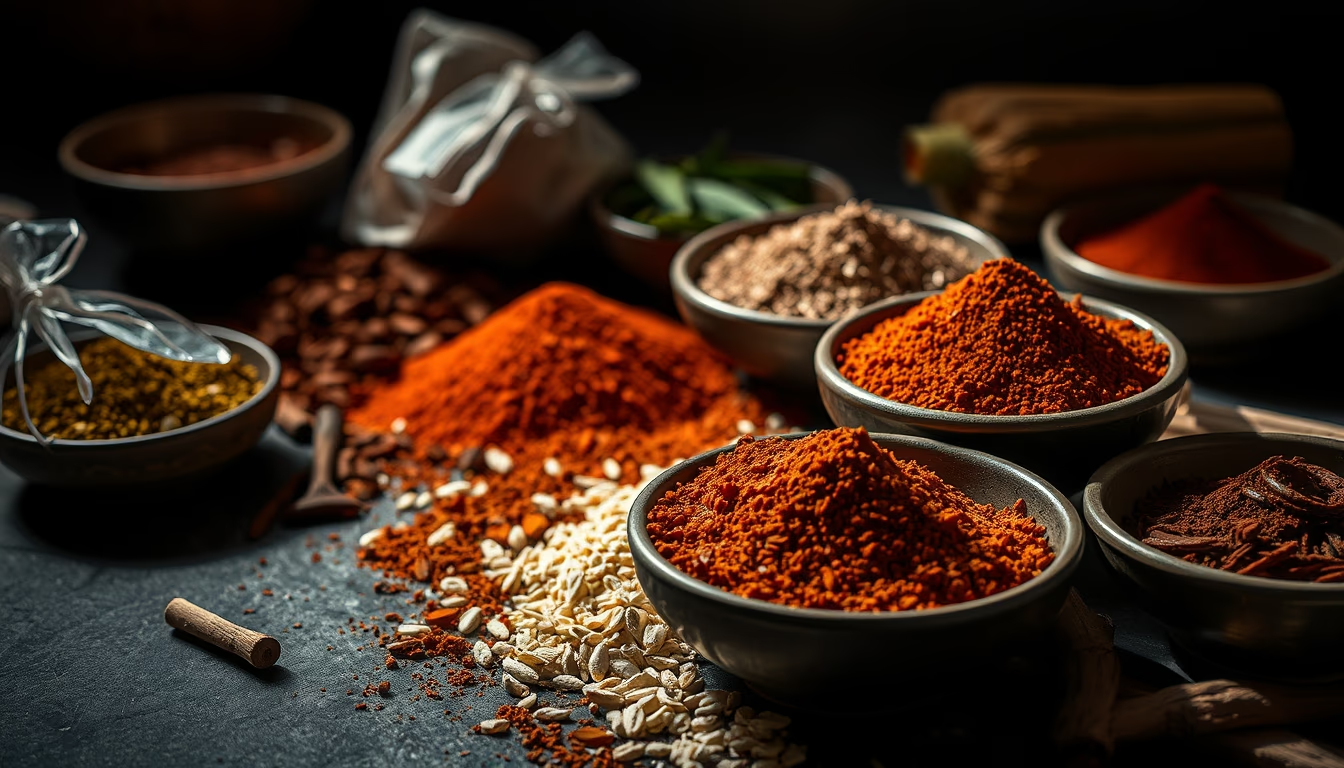
Aromatic spices like pepper, cinnamon, cloves, and cardamom were among the most valuable goods traded along the Silk Road, shaping economies and cultures for centuries.
About this subject
The Silk Road, a network of trade routes connecting the East to Europe, was renowned not only for silk but especially for spices. These exotic goods, such as black pepper, cinnamon, cloves, nutmeg, and cardamom, were so valuable that they were sometimes used as currency. Black pepper, native to southern India, was so coveted in ancient Rome that soldiers received part of their pay in peppercorns. Cloves and nutmeg came from the remote Maluku Islands in Indonesia, and their trade was tightly controlled by Arab merchants and later by European powers.
The spice trade boosted the economies of cities like Venice, Genoa, and Constantinople, which profited heavily from the monopoly of land routes. In medieval Europe, spices were used to preserve meat, mask spoilage flavors, and prepare medicines. Cinnamon from China and Sri Lanka was prized for its sweet aroma and medicinal qualities. Cardamom, cultivated in southern India and Sri Lanka, became essential in Middle Eastern and Scandinavian cuisine.
The quest for spices drove major maritime explorations. Vasco da Gama sailed around Africa to reach India in 1498, breaking the Arab and Venetian monopoly. Christopher Columbus, in his attempt to find a westward route, discovered the Americas. Spices also played religious roles, such as the use of frankincense and myrrh in ceremonies. The legacy of this trade is visible in global cuisine: Indian, Moroccan, and European dishes carry these influences.
Frequently Asked Questions
Which spices were most traded on the Silk Road?
The most traded spices included black pepper, cinnamon, cloves, nutmeg, cardamom, and ginger. Some also included saffron and cumin.
How did spices influence global history?
The quest for spices drove the Age of Discovery, leading Europeans to explore new sea routes. This resulted in the colonization of distant lands and the establishment of trade empires.
Why were spices so valuable in ancient times?
Spices were valuable for their use in food preservation, medicine, religious rituals, and as status symbols. Their long travel distances and rarity in Europe made them extremely expensive.
Direct URL
https://pub-c7d6a6ea828543ac903a74a341ccb2e1.r2.dev/imagens/silk-road-spices-arrayed-fine-art-photography-fresh13.avifHow to credit
Include a visible link back to UtilizAí. Copy one of the snippets below:
<a href="https://xn--utiliza-eza.com/en/midia/imagens/silk-road-spices-arrayed-fine-art-photography-fresh13">Silk road spices arrayed</a> by <a href="https://xn--utiliza-eza.com">UtilizAí</a>, licensed under <a href="https://creativecommons.org/licenses/by/4.0/">CC BY 4.0</a>.
[Silk road spices arrayed](https://xn--utiliza-eza.com/en/midia/imagens/silk-road-spices-arrayed-fine-art-photography-fresh13) by [UtilizAí](https://xn--utiliza-eza.com), CC BY 4.0
License: CC-BY-4.0