Silk road spices arrayed
1344×768 · AVIF · CC BY 4.0
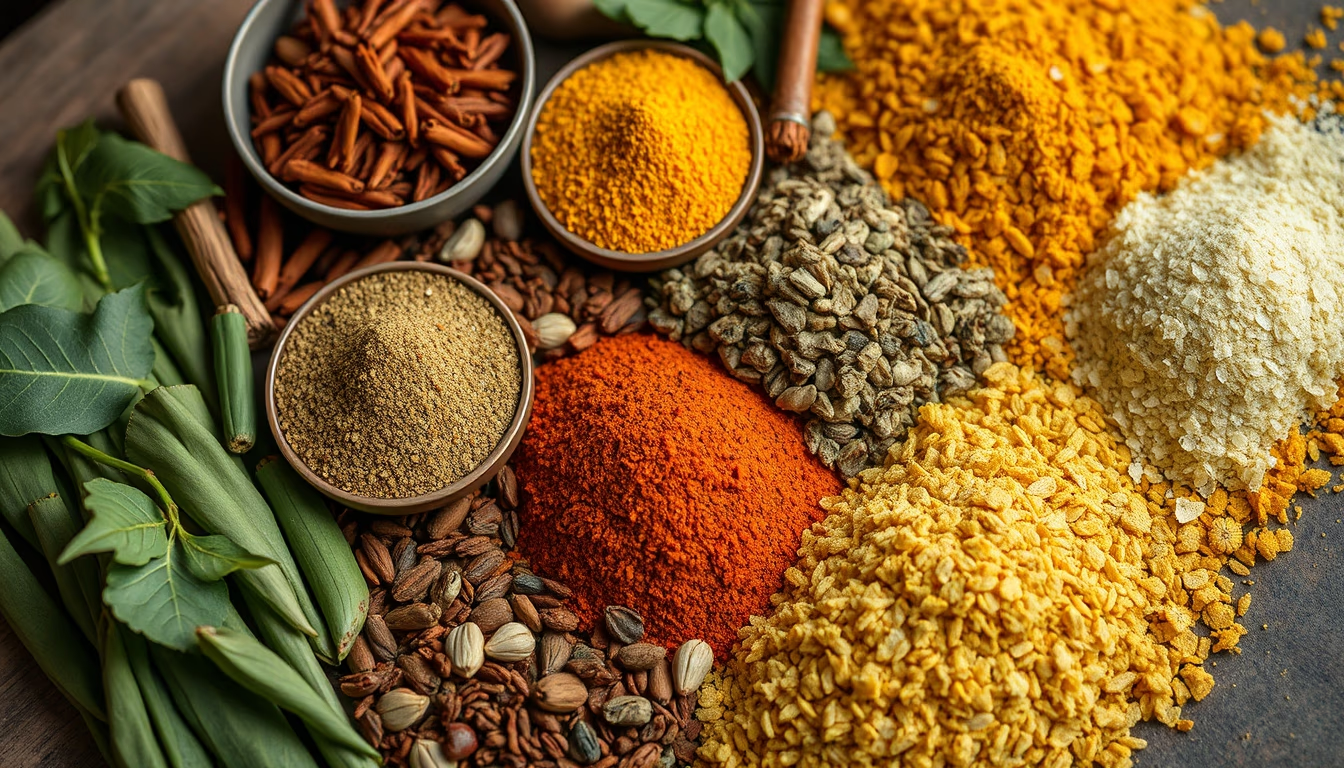
Silk Road spices: discover the seasonings that drove trade between East and West for centuries.
About this subject
The Silk Road, a network of trade routes connecting Asia to the Mediterranean from the 2nd century BCE to the 15th century CE, was the stage for the exchange of countless goods, but none as coveted as spices. Cinnamon, black pepper, cardamom, cloves, nutmeg, and ginger were among the most valuable items, often worth their weight in gold. Originating from regions like India, Southeast Asia, and China, these spices were transported thousands of kilometers by camel caravans and ships, passing through the hands of Persian, Arab, and Venetian merchants.
The spice trade not only enriched empires but also transformed culinary and medicinal habits in the West. In medieval Europe, pepper was used to preserve meat and mask flavors, while cinnamon and cloves were status symbols at banquets. Beyond gastronomy, many spices had recognized preservative and medicinal properties, such as ginger for digestive ailments. European demand for these products, combined with logistical challenges and high profits, spurred maritime exploration and eventually led to the Age of Discovery.
However, the overland Silk Road was not the only route. There was also the maritime spice route linking Indian ports to the Red Sea and the Persian Gulf. Cities like Alexandria, Constantinople, and Venice became distribution hubs. From the 15th century onward, with the fall of Constantinople (1453) and Ottoman blockades, Europeans sought alternative routes, culminating in Vasco da Gama's voyage to India (1498) and the establishment of Portuguese and Dutch monopolies. This globalized trade shaped economies, sparked conflicts, and influenced the colonization of tropical regions.
Today, Silk Road spices are enjoyed worldwide, and their history reveals how the desire for exotic flavors drove globalization. Cinnamon from Sri Lanka, pepper from Malabar, cardamom from India, and cloves from the Maluku Islands are still cultivated and traded, keeping alive the legacy of one of humanity's greatest trade routes.
Frequently Asked Questions
Which spices were most valued on the Silk Road?
The most valued spices included black pepper, cinnamon, cardamom, cloves, nutmeg, and ginger. Pepper was the most traded and even used as currency.
How did spices influence global trade?
The spice trade spurred maritime exploration, leading to the discovery of new routes and colonization. It generated enormous wealth for cities like Venice and Portugal, and stimulated globalization.
What were the main spice distribution hubs?
Alexandria, Constantinople, and Venice were key hubs. Later, Lisbon and Amsterdam took control as overland routes declined.
Direct URL
https://pub-c7d6a6ea828543ac903a74a341ccb2e1.r2.dev/imagens/silk-road-spices-arrayed-documentary-nature-style-fresh16.avifHow to credit
Include a visible link back to UtilizAí. Copy one of the snippets below:
<a href="https://xn--utiliza-eza.com/en/midia/imagens/silk-road-spices-arrayed-documentary-nature-style-fresh16">Silk road spices arrayed</a> by <a href="https://xn--utiliza-eza.com">UtilizAí</a>, licensed under <a href="https://creativecommons.org/licenses/by/4.0/">CC BY 4.0</a>.
[Silk road spices arrayed](https://xn--utiliza-eza.com/en/midia/imagens/silk-road-spices-arrayed-documentary-nature-style-fresh16) by [UtilizAí](https://xn--utiliza-eza.com), CC BY 4.0
License: CC-BY-4.0