Self driving car interior
1344×768 · AVIF · CC BY 4.0
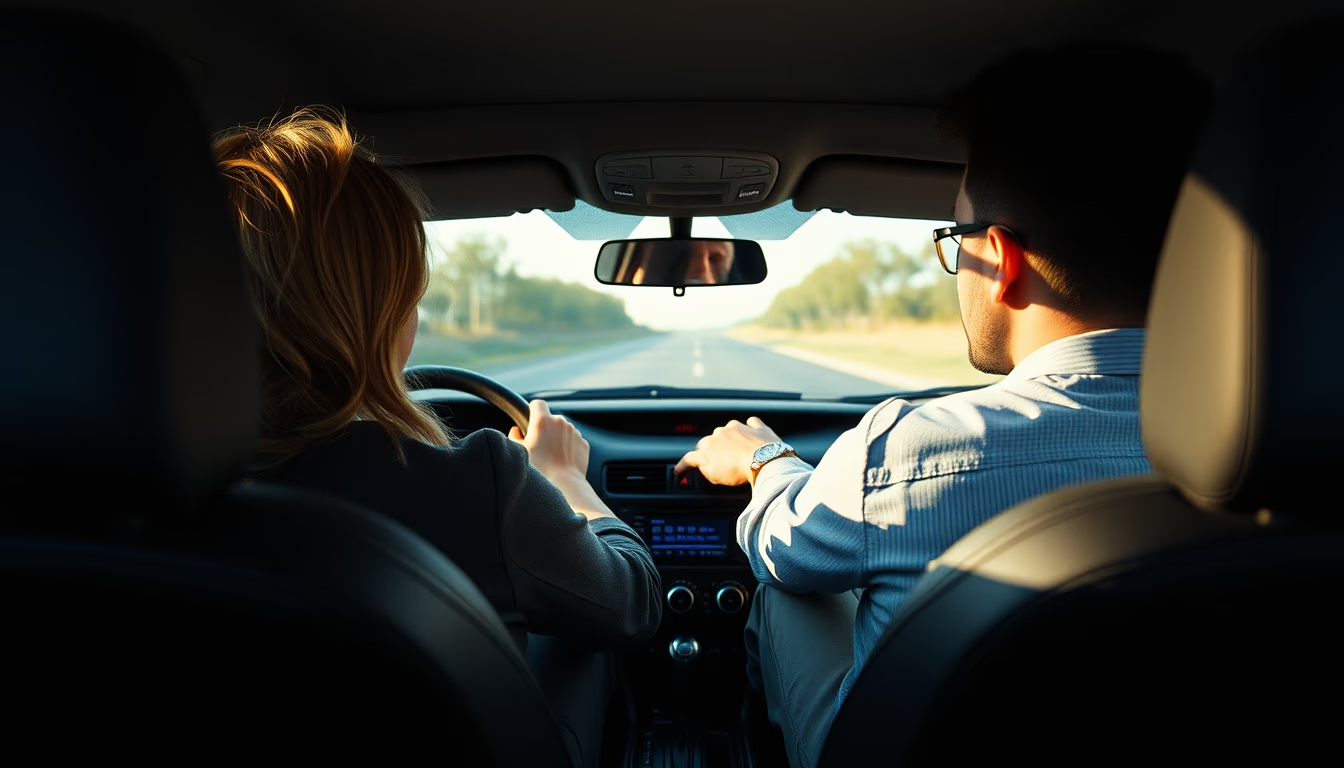
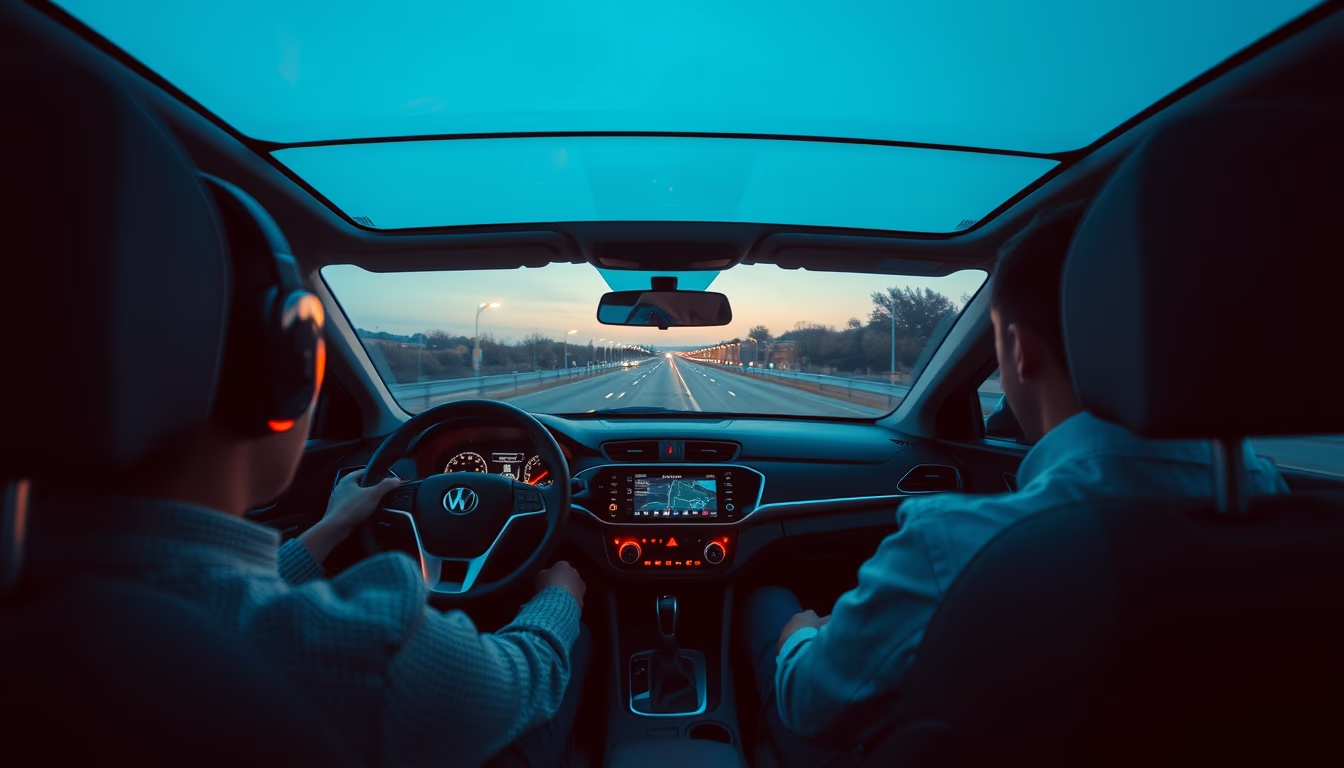
Self-driving car interiors replace steering wheels and pedals with modular spaces for work or leisure, redefining the passenger experience.
About this subject
Level 4 or 5 autonomous vehicles eliminate the need for human intervention, turning the interior into a completely new environment. Without a steering wheel, pedals, or traditional dashboard, the space can be freely rearranged. Companies like Waymo, Cruise, and Zoox are already testing prototypes with swiveling seats, foldable tables, and interactive screens, allowing occupants to work, watch movies, or sleep during the journey.
Seat layouts change radically: instead of all facing forward, they can face each other, forming a mobile living room. Lighter, sustainable materials such as natural fibers and recycled plastics are prioritized to reduce weight and improve energy efficiency. Interior lighting adapts automatically to context, creating calm or stimulating ambiences based on user preference.
Entertainment and connectivity systems become central. Each passenger can have their own profile with personalized temperature, music, and content settings. Safety is also rethought: seatbelts and airbags must protect occupants in various positions. Internal sensors and cameras monitor vital signs and distractions, ensuring safety even without a driver.
The trend for 2026 is that these interiors will become more common in shared mobility services, with design focused on user experience and space efficiency. The “film grain authentic” aesthetic suggests a nostalgic or cinematic atmosphere, contrasting with high technology, which may appeal to consumers seeking familiar comfort in a vehicle of the future.
Frequently Asked Questions
What is the interior of a self-driving car without a steering wheel like?
The interior is designed as a modular space with seats that can swivel or recline, foldable tables, and interactive screens. There are no steering wheel, pedals, or traditional dashboard, freeing up space for work, leisure, or rest.
What materials are used in autonomous car interiors?
Lightweight and sustainable materials such as natural fibers, recycled plastics, and breathable fabrics are common. The focus is on reducing weight to improve energy efficiency and providing passenger comfort.
How does safety work in a driverless autonomous car?
Safety relies on internal sensors monitoring occupants, adaptable seatbelts, and airbags designed for various seating positions. AI systems ensure everyone is safe during the journey, even in emergency situations.
Direct URL
https://pub-c7d6a6ea828543ac903a74a341ccb2e1.r2.dev/imagens/self-driving-car-interior-film-grain-authentic-p1.avifHow to credit
Include a visible link back to UtilizAí. Copy one of the snippets below:
<a href="https://xn--utiliza-eza.com/en/midia/imagens/self-driving-car-interior-film-grain-authentic-p1">Self driving car interior</a> by <a href="https://xn--utiliza-eza.com">UtilizAí</a>, licensed under <a href="https://creativecommons.org/licenses/by/4.0/">CC BY 4.0</a>.
[Self driving car interior](https://xn--utiliza-eza.com/en/midia/imagens/self-driving-car-interior-film-grain-authentic-p1) by [UtilizAí](https://xn--utiliza-eza.com), CC BY 4.0
License: CC-BY-4.0