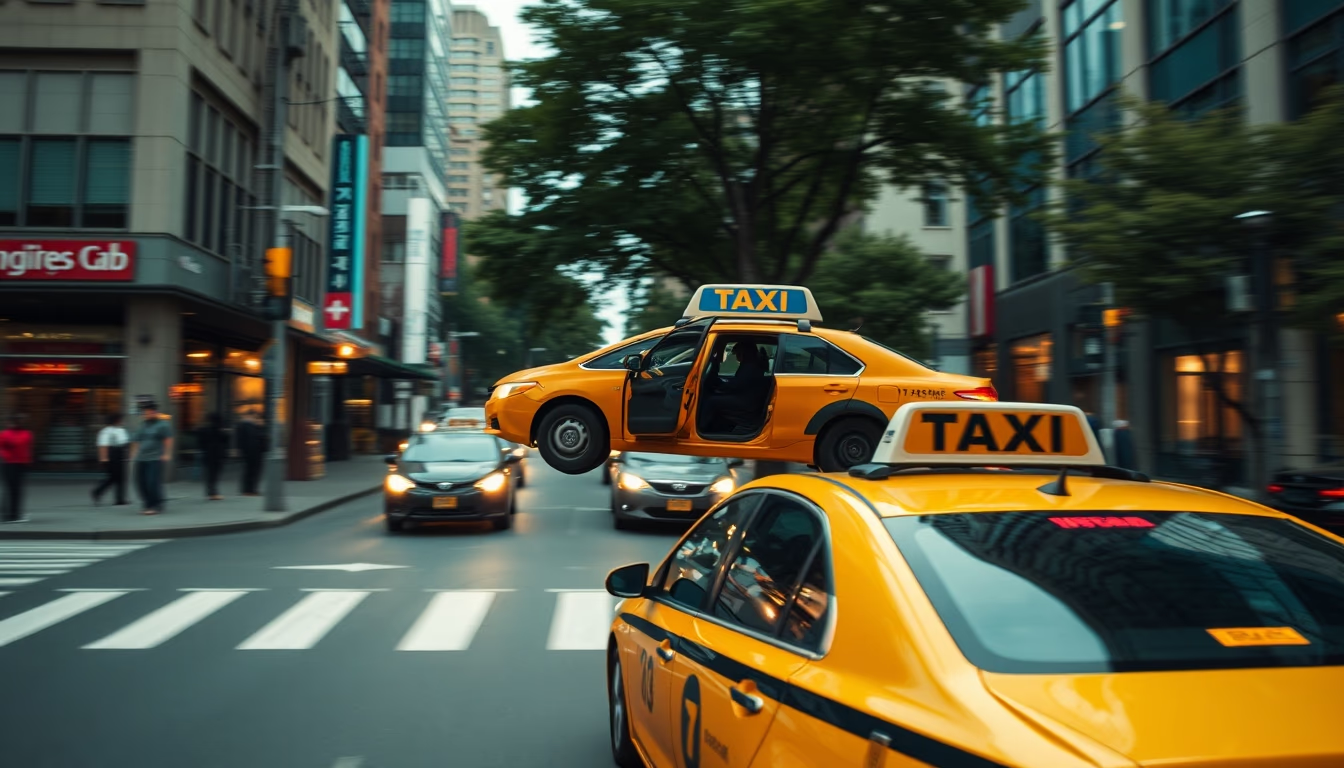
Autonomous taxi modern
1344×768 · AVIF · CC BY 4.0
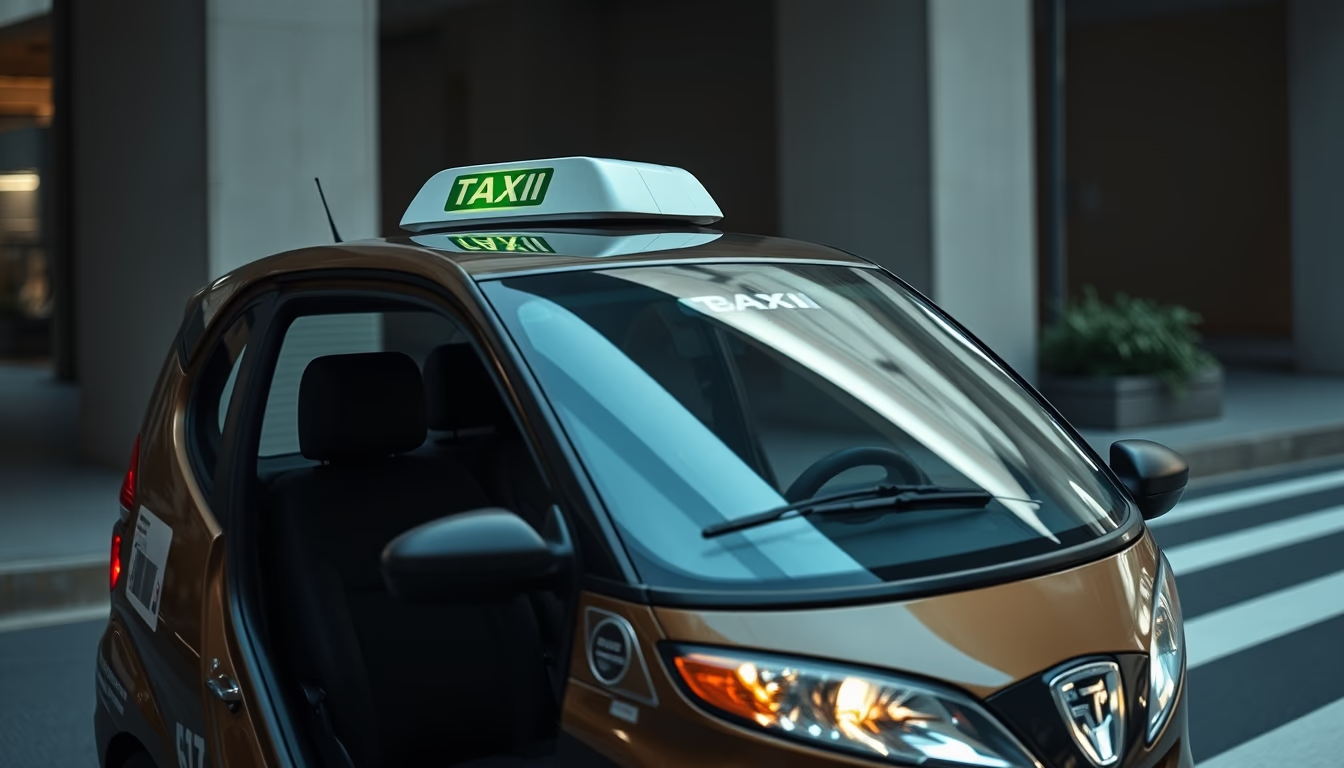
Autonomous taxis are transforming urban mobility globally in 2026, featuring minimalist design and cutting-edge technology.
About this subject
Autonomous taxis represent the cutting edge of urban mobility, combining artificial intelligence, LiDAR sensors, and real-time mapping systems. By 2026, several cities worldwide, including São Paulo, San Francisco, and Beijing, already operate limited commercial fleets. The minimalist design is not just aesthetic: it reflects the absence of steering wheels and pedals, prioritizing passenger space and interactive screens. Companies like Waymo, Baidu, and Brazil's Lume Robotics lead development, with investments exceeding US$100 billion since 2020.
Safety is a core pillar. Studies indicate autonomous vehicles can reduce up to 90% of accidents caused by human error. However, challenges such as integration with traditional vehicles and regulation persist. In São Paulo, a city hall pilot project in partnership with local startups tests specific routes in the expanded downtown area, with remote monitoring by human operators.
Interestingly, the world's first autonomous taxi service launched in Singapore in 2023, operated by NuTonomy. Since then, technology has evolved to handle adverse conditions like heavy rain and chaotic traffic. Minimalist design also facilitates maintenance and branding: clean paint and straight lines make the vehicle easily recognizable as a public service.
Environmental impact is another highlight. Most autonomous taxis are electric, contributing to CO2 emission reduction. It is estimated that a fully autonomous and electric fleet could reduce urban emissions by up to 40% by 2030. The 'minimalist composition' trend also aligns with sustainable aesthetics, using recyclable materials and prioritizing energy efficiency in both interior and exterior design.
Frequently Asked Questions
Where can I find autonomous taxis today?
Currently, commercial autonomous taxi services operate in cities like San Francisco (Waymo and Cruise), Beijing (Baidu Apollo), and some areas of São Paulo (pilot projects). Availability is still limited to specific geo-fenced zones and designated hours.
How does the safety of these vehicles work?
Autonomous taxis use LiDAR sensors, cameras, and radars to map the environment in 360 degrees. AI systems process this data in real-time to make driving decisions. Remote monitoring centers can intervene in emergencies.
What is the environmental impact of autonomous taxis?
Most autonomous taxis are electric, reducing pollutant emissions. Studies show that replacing private vehicles with shared autonomous fleets can decrease traffic congestion and energy consumption, contributing to more sustainable cities.
Direct URL
https://pub-c7d6a6ea828543ac903a74a341ccb2e1.r2.dev/imagens/autonomous-taxi-modern-minimalist-composition-p6.avifHow to credit
Include a visible link back to UtilizAí. Copy one of the snippets below:
<a href="https://xn--utiliza-eza.com/en/midia/imagens/autonomous-taxi-modern-minimalist-composition-p6">Autonomous taxi modern</a> by <a href="https://xn--utiliza-eza.com">UtilizAí</a>, licensed under <a href="https://creativecommons.org/licenses/by/4.0/">CC BY 4.0</a>.
[Autonomous taxi modern](https://xn--utiliza-eza.com/en/midia/imagens/autonomous-taxi-modern-minimalist-composition-p6) by [UtilizAí](https://xn--utiliza-eza.com), CC BY 4.0
License: CC-BY-4.0