Sake bottle traditional
1344×768 · AVIF · CC BY 4.0
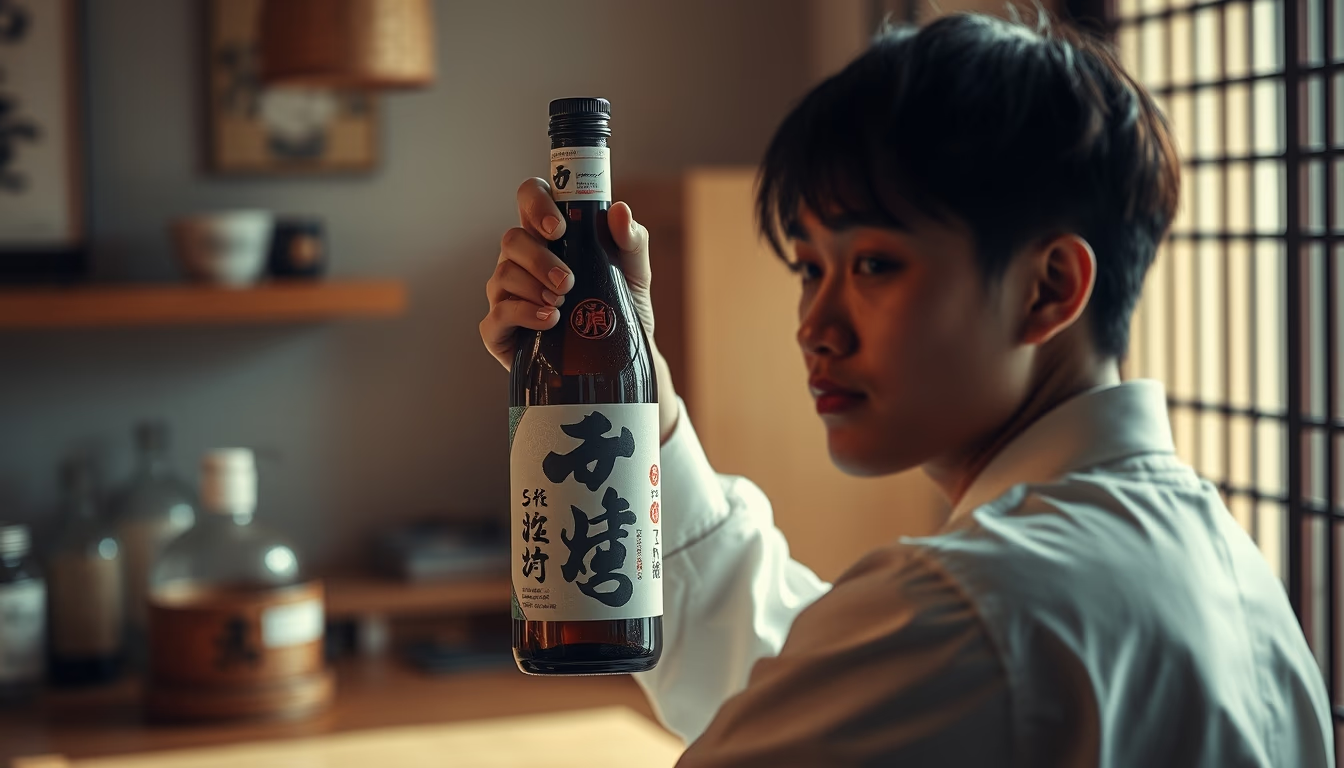
Discover the traditional sake bottle, the tokkuri, a symbol of Japanese culture in handmade ceramics and tasting rituals.
About this subject
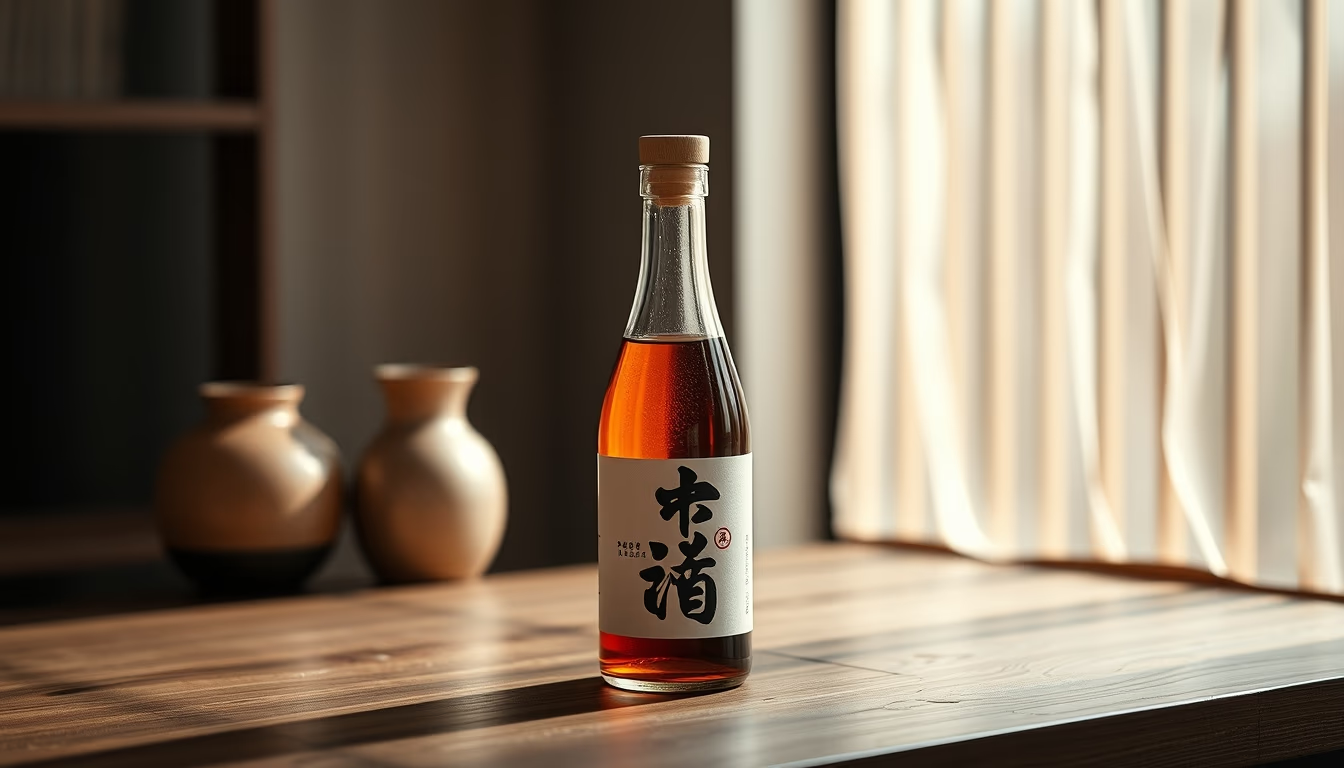
Sake, a fermented rice alcoholic beverage, is traditionally served in bottles called tokkuri. These containers, usually made of glazed ceramic, have an elongated shape and narrow mouth, designed to heat or cool the drink as needed. The tokkuri is not just a functional utensil but a handcrafted piece that varies regionally across Japan: provinces like Arita and Seto produce models with blue-and-white glazes, while other regions opt for earthy tones and rustic finishes.
The history of the tokkuri dates back to the Heian period (794, 1185), when sake began to be consumed in Shinto ceremonies and festivals. The classic form has no handle, being held with both hands as a sign of respect. In formal settings, the vessel may be decorated with seasonal motifs, such as cherry blossoms in spring or maple leaves in autumn. Typical capacity ranges from 180 ml (one go) to 720 ml, but miniature versions exist for tastings.
Interestingly, the tokkuri is often accompanied by small cups called choko or guinomi. The serving temperature of sake, hot, warm, or chilled, influences the choice of material: thick ceramic retains heat, while fine porcelain favors cold drinks. Although glass and metal versions exist, the ceramic tokkuri is most valued by purists, who associate the clay's porosity with a subtle maturation of flavor.
In modern Japan, the tokkuri maintains its cultural role, used in specialty restaurants (izakaya) and in ceremonies such as kagami biraki (barrel opening). For collectors, the diversity of styles, such as the flat tokuri (chirori) or the cylindrical form (katakuchi), reflects centuries of pottery tradition and the sophistication of sake culture.
Frequently Asked Questions
What is the name of the traditional sake bottle?
The traditional sake bottle is called tokkuri. It is usually made of ceramic and used to serve the beverage heated or chilled.
How is sake traditionally served?
Sake is served in a tokkuri, which is held with both hands. The drink is poured into small cups called choko or guinomi. Temperature can vary: hot, warm, or chilled.
What materials are used for tokkuri?
The most common material is glazed ceramic, but porcelain, glass, and metal tokkuri also exist. Ceramic is preferred by purists for its porosity.
Direct URL
https://pub-c7d6a6ea828543ac903a74a341ccb2e1.r2.dev/imagens/sake-bottle-traditional-documentary-photography-p1.avifHow to credit
Include a visible link back to UtilizAí. Copy one of the snippets below:
<a href="https://xn--utiliza-eza.com/en/midia/imagens/sake-bottle-traditional-documentary-photography-p1">Sake bottle traditional</a> by <a href="https://xn--utiliza-eza.com">UtilizAí</a>, licensed under <a href="https://creativecommons.org/licenses/by/4.0/">CC BY 4.0</a>.
[Sake bottle traditional](https://xn--utiliza-eza.com/en/midia/imagens/sake-bottle-traditional-documentary-photography-p1) by [UtilizAí](https://xn--utiliza-eza.com), CC BY 4.0
License: CC-BY-4.0